Inquiry
Form loading...

Top 10 Benefits of Using Electric Hoist Scaffold for Your Construction Projects

In the ever-evolving world of construction, efficiency and safety remain paramount concerns for contractors and project managers alike. One innovative solution that has gained significant traction is the Electric Hoist Scaffold. This modern scaffolding system not only enhances productivity but also ensures that workers can operate in a secure environment. By integrating electric hoists into scaffolding structures, construction teams can effectively manage material handling, dramatically reducing the time and effort required for vertical lifts.

The Electric Hoist Scaffold presents numerous benefits that can transform the way construction projects are executed. With its ability to streamline processes, facilitate quicker installations, and provide an ergonomic advantage, this type of scaffold is increasingly becoming the go-to choice for construction professionals. Moreover, the enhanced safety features associated with electric hoists significantly mitigate risks, making it a responsible option for those invested in the well-being of their workforce. In the paragraphs that follow, we will explore the top ten benefits of incorporating Electric Hoist Scaffolds into your construction projects, illustrating why this innovative solution is not just a trend, but a substantial leap forward in the industry.
Top 10 Benefits of Using Electric Hoist Scaffold for Your Construction Projects

Key Advantages of Electric Hoist Scaffold in Construction

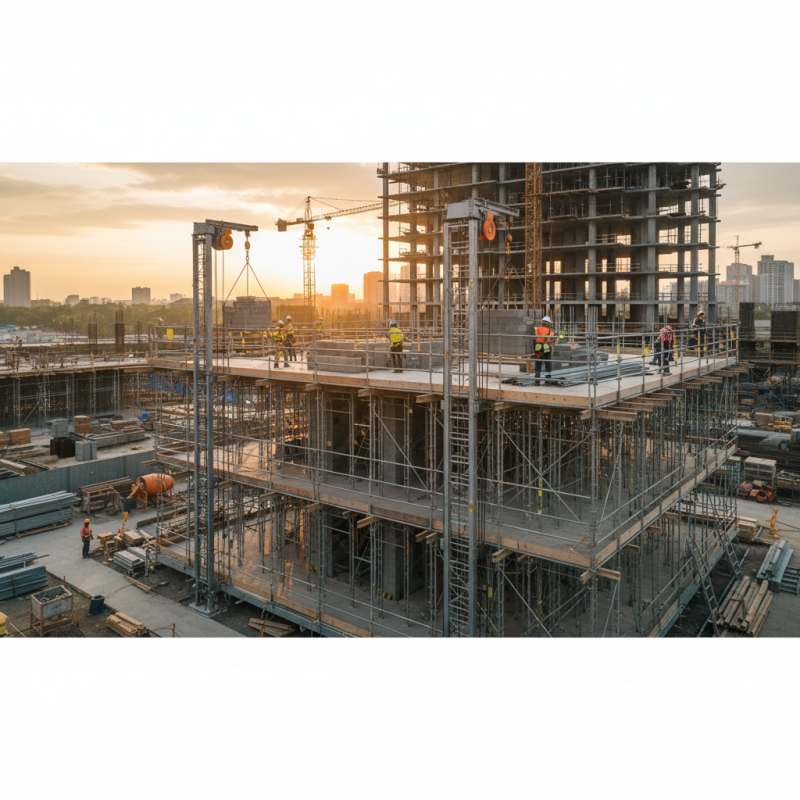
Electric hoist scaffolds are revolutionizing the construction industry, offering numerous advantages that traditional scaffolding methods cannot match. One of the primary benefits is the enhanced safety they provide. Electric hoists enable smooth vertical movement of materials and workers, significantly reducing the risk of accidents associated with manual lifting. This mechanized lifting system minimizes physical strain on workers, promoting a safer working environment and reducing the potential for injuries.

Additionally, electric hoist scaffolds improve efficiency and productivity on construction sites. With their ability to quickly transport heavy materials to various heights, projects can progress at an accelerated pace. This speed not only saves valuable time but also allows for better allocation of labor resources, as fewer workers are needed to manage lifting tasks. The precision in load handling offered by electric hoists also ensures that materials are placed exactly where needed, further enhancing workflow and minimizing material waste. By incorporating electric hoist scaffolds, construction teams can experience both significant time and cost savings while maintaining high standards of safety and quality in their projects.
Increased Efficiency and Productivity with Electric Hoist Scaffold

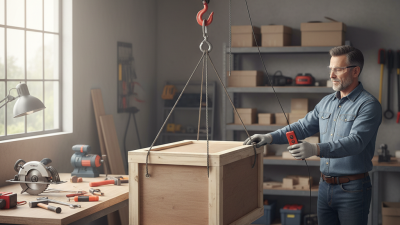
The use of electric hoist scaffolds in construction projects significantly enhances both efficiency and productivity. By automating the lifting and lowering processes, these systems minimize the time workers spend on manual labor, leading to quicker project completion. With the ability to transport heavy materials and tools to various heights with ease, teams can focus more on their core tasks rather than spending excessive time on site logistics. This increased speed not only accelerates workflows but also reduces the overall labor costs associated with construction projects.


Moreover, electric hoist scaffolds provide a safer working environment, further contributing to productivity. The integrated safety features, such as automated load limits and stable lifting mechanisms, reduce the risk of accidents and injuries. When workers feel safe and secure, they can maintain higher focus and efficiency on their tasks. Additionally, these scaffolds often allow for better access to hard-to-reach areas, ensuring that no part of the project becomes a bottleneck. By enhancing both safety and access, electric hoist scaffolds empower teams to complete high-quality work in a more streamlined manner.

Enhanced Safety Features of Electric Hoist Scaffold

Electric hoist scaffolds are revolutionizing construction safety with their advanced safety features. One of the key benefits is the integrated overload protection system. This feature prevents the hoist from operating beyond its weight capacity, significantly reducing the risk of accidents caused by load overextension. Workers can be confident that the scaffolding will remain stable and secure, minimizing the possibility of falls or structural failures.

Another important safety enhancement is the use of emergency stop functions and limit switches. These mechanisms allow for immediate shut-off in critical situations, ensuring that workers can quickly respond to potential hazards. Additionally, electric hoist scaffolds often incorporate guardrails and non-slip surfaces, further safeguarding workers from slips and falls. By creating a more secure working environment, these scaffolds enhance overall productivity while ensuring that safety remains the top priority on construction sites.

Top 10 Benefits of Using Electric Hoist Scaffold for Your Construction Projects - Enhanced Safety Features of Electric Hoist Scaffold

Benefit Description Safety Feature Impact on Project
Increased Efficiency Electric hoists allow for faster material movement. Automatic load control systems prevent overload. Reduces project timeline and labor costs.
Enhanced Safety Reduces manual handling of heavy loads. Built-in emergency stop features. Lowers risk of on-site injuries.
Versatility Can be used in various construction environments. Adjustable height settings enhance stability. Adaptable to different project needs.
Reduced Worker Fatigue Lowers physical strain on workers. Safety harness points prevent falls. Improves workforce productivity.
Precise Material Handling Accurate positioning of materials. Collision detection systems minimize accidents. Enhances project precision.
Space Efficiency Requires less storage space than traditional rigs. Compact design for easy transportation. Optimizes site layout.
Environmentally Friendly Electric operates without fuel emissions. Energy-efficient technologies. Supports green building practices.
Lower Operating Costs Reduced fuel and maintenance expenses. Fewer service interruptions due to reliability. Improves budget management.
Shorter Setup Time Easier assembly compared to traditional scaffolding. User-friendly controls and functions. Accelerates project start dates.
Compliance with Standards Meets safety and building regulations. Regular safety inspections are easier. Reduces risk of legal issues.

Cost Savings and Durability of Electric Hoist Scaffold

Electric hoist scaffolds have revolutionized the construction industry, particularly when it comes to cost savings and durability. According to a study by the National Institute for Occupational Safety and Health (NIOSH), utilizing electric hoists can reduce labor costs by as much as 25%. This is primarily due to the increased speed and efficiency of material handling. Traditional scaffolding requires significant manpower, which not only heightens costs but also raises the risk of accidents and delays. By implementing electric hoist scaffolding, projects can adhere to tighter deadlines and lower overall expenditures, making it an attractive option for contractors looking to maximize their budgets.

In terms of durability, electric hoist scaffolds are engineered to withstand harsh construction environments. Research from the American Society of Civil Engineers (ASCE) shows that these structures can endure heavy loads over extended periods without compromising safety, reducing the need for frequent replacements or repairs. The average lifespan of an electric hoist scaffold can exceed 10 years with proper maintenance, which translates into fewer long-term capital expenditures for construction firms. Additionally, their adaptability to various construction scenarios makes them a reliable choice for both residential and commercial projects, ensuring that safety and quality are upheld while minimizing financial strain.

Versatility and Adaptability of Electric Hoist Scaffold for Various Projects

Top 10 Benefits of Using Electric Hoist Scaffold for Your Construction Projects

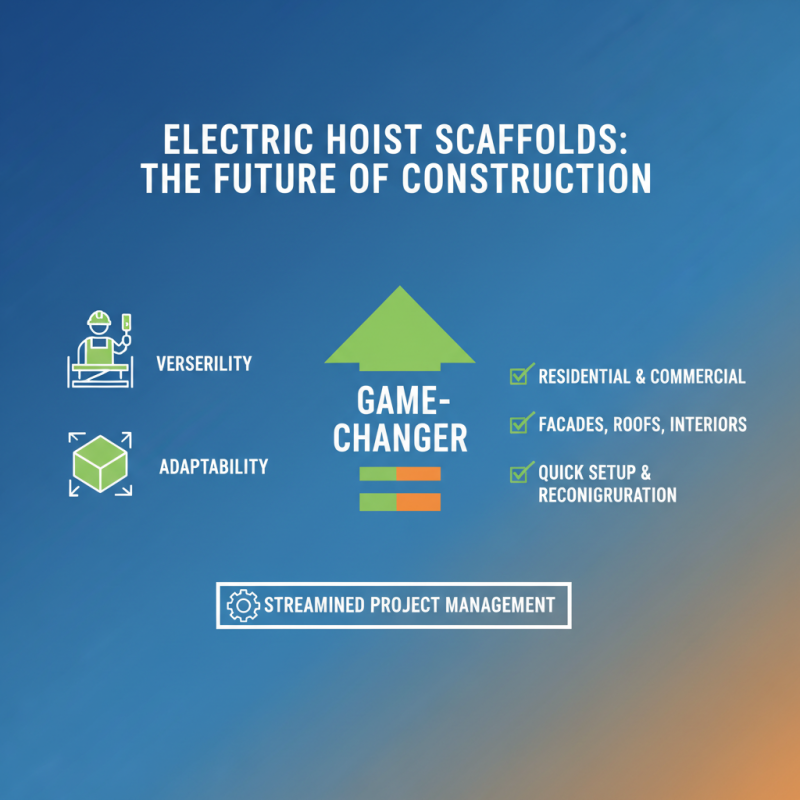
Electric hoist scaffolds have emerged as a game-changer in the construction industry, thanks to their versatility and adaptability for various projects. One significant advantage is their capability to support different types of jobs, from residential buildings to large commercial structures. The lightweight, modular design allows for easy reconfiguration, making it possible to use a single scaffold system across various applications. Whether you need to work on facades, roofs, or interior spaces, electric hoist scaffolds can be tailored to fit any task, streamlining project management and reducing setup times.

When using electric hoist scaffolds, it’s essential to consider some practical tips to maximize their effectiveness. First, ensure that your team is well-trained in operating the system to maintain safety and efficiency. Regular inspections and maintenance checks will help prevent any operational failures, ensuring that the hoisting mechanism works as intended. Additionally, take advantage of the adjustable height features to create customized working environments that suit the specific needs of the project, thereby enhancing productivity.

Another key aspect of versatility lies in their compatibility with various tools and materials. Electric hoist scaffolds can seamlessly support different construction activities, such as lifting heavy materials or providing safe access for workers. By integrating these scaffolds into your workflow, you can enhance collaboration among your crew, reduce downtime, and improve overall project outcomes.