What Is the Best Manual Winch for Your Needs?
When choosing the best manual winch, many factors come into play. A manual winch is a vital tool for various applications, from boating to construction. Its reliability and strength make it an essential piece of equipment for both professionals and hobbyists.
Understanding your needs is crucial. Do you require a winch for lifting heavy objects or for pulling? The right manual winch can save time and effort in tough situations. However, the options can be overwhelming. Each winch has unique features and specifications, which can affect performance and usability. Reflecting on your specific requirements will guide your choice.
Investing in a manual winch demands careful consideration. We must analyze the load capacity, gear ratio, and ease of use. A suitable manual winch should balance efficiency and functionality. As you explore your options, remember that trial and error may reveal the best fit for your needs. Prioritize reliable brands with proven track records in the industry, keeping in mind that personal experience plays a substantial role in determining effectiveness.
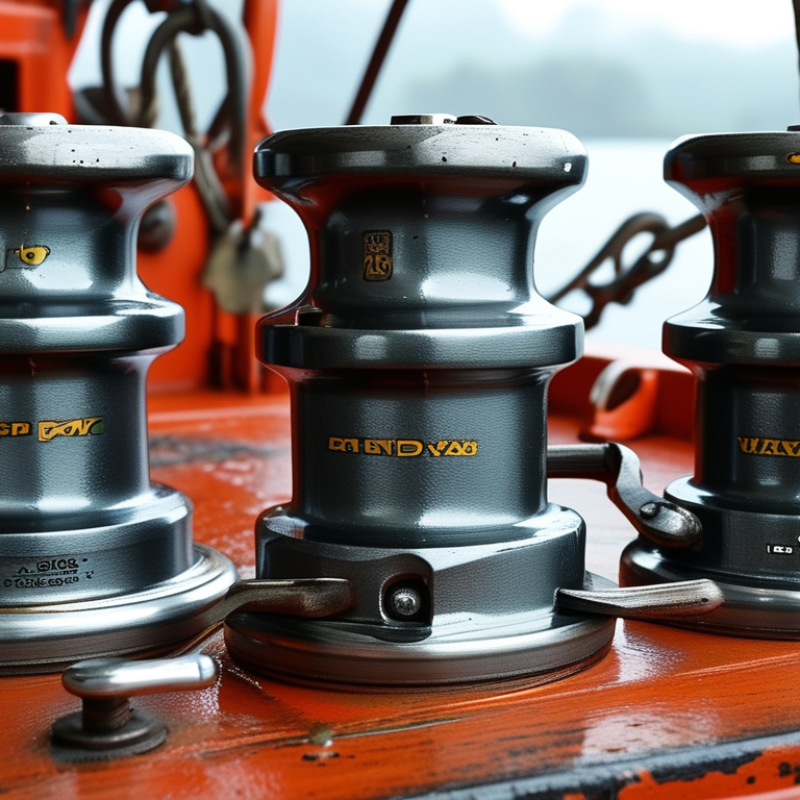
Understanding Manual Winches: Definition and Functionality
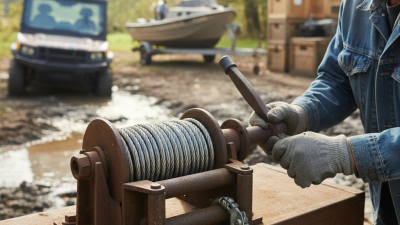
Manual winches are versatile tools that embody simplicity and strength. These devices use a hand-operated mechanism to wind a cable or rope, allowing users to lift or pull heavy loads. Understanding their functionality is crucial for selecting the right one for your needs.
Manual winches typically feature a crank and a gear system, enabling the user to exert significant force with minimal effort.
A key aspect of manual winches is their mechanical advantage. By using gears, they amplify the user's strength. This makes lifting heavy items more feasible.
When selecting a winch, consider the load capacity and gear ratio. A winch with a higher gear ratio offers better lifting power but may require more effort to crank. Evaluate the specific tasks you plan to tackle. If lifting a vehicle, for instance, a stronger, more robust model is ideal.
It's worth noting that the manual operation means these winches lack the speed of electric models. This can be a disadvantage in time-sensitive situations. However, the reliability and control offered by manual winches can be advantageous in rugged environments. Reflect on the balance between speed and control when making your choice. In the end, understanding the definition and functionality of manual winches leads to informed decisions tailored to your unique tasks.
Types of Manual Winches: A Comprehensive Overview
When exploring manual winches, it’s essential to understand the various types available. These devices vary widely in function and design. A common type is the hand-crank winch, which relies on a crank handle. It is often used for lighter loads but requires physical effort. Heavy-duty winches excel in pulling capacity but can be cumbersome to operate.
Another widely used option is the block and tackle winch. This system utilizes pulleys to multiply the force applied. It makes lifting heavier objects more manageable but can be confusing to set up. Consider the winch's gear ratio as it determines how much effort you will need to put in. A higher ratio means less effort, but the trade-off might be slower operation.
Manual winches can also come in different materials. Steel winches offer durability but can add significant weight. Aluminum winches are lighter but may not withstand heavy use as well. Remember, each type demands reflective consideration based on your specific use case and load requirements. The right choice hinges on balancing material, design, and application to meet your unique needs effectively.
Key Features to Consider When Choosing a Manual Winch
When selecting a manual winch, understanding key features is essential.
Winches come in various capacities. The lifting capacity is crucial. Consider weights you expect to handle.
Many professionals recommend a capacity that exceeds your highest loads by at least 25%.
This reduces strain on the winch and enhances durability.
Materials also determine winch performance. Steel winches are robust but heavy.
In contrast, synthetic fiber options are lightweight and resistant to rust.
However, synthetic materials may wear out faster under heavy tension. According to industry reports, users often overlook the environmental impact of their chosen materials.
Selecting a winch with a longer lifespan contributes to sustainability.
Gear ratio influences speed and power. A lower gear ratio boosts lifting power, ideal for heavy loads.
Higher ratios allow faster operation for lighter items.
It’s essential to assess the balance between speed and power based on your specific tasks.
A well-informed choice can significantly impact work efficiency, yet many users wish they had researched more deeply.
Exploring these features can simplify the selection process and optimize performance for your needs.
Assessing Load Capacity and Safety Ratings of Manual Winches
When choosing a manual winch, understanding load capacity and safety ratings is crucial. Many models can handle a range from 1,000 to 4,000 pounds. However, the actual capacity often depends on the quality and material used in construction. A report by the American Society of Mechanical Engineers highlights that a winch's performance decreases over time, especially after consistent use. It's advisable to stay well below the maximum capacity to ensure safety.
Safety ratings provide another layer of protection. Winches should ideally meet or exceed standards set by organizations like the Occupational Safety and Health Administration (OSHA). A manual winch with a high safety rating can significantly reduce the risk of accidents. Furthermore, operators must be aware of factors that could compromise safety. For instance, improper installation can lead to failures, even in high-quality equipment. Regular inspection is equally important to ensure continued performance and safety, as wear and tear can affect the winch's integrity.
Many users overlook these aspects, which can lead to severe accidents. It's critical to enter the winching process with a sound understanding of these metrics. Always prioritize load capacity and rigorous safety checks to minimize risks. Knowing one's limitations and the gear's specifications can make all the difference in a successful operation.
What Is the Best Manual Winch for Your Needs? - Assessing Load Capacity and Safety Ratings of Manual Winches
| Model |
Load Capacity (lbs) |
Safety Rating (CE, ISO) |
Material |
Weight (lbs) |
| Winch Model A |
2000 |
CE |
Steel |
15 |
| Winch Model B |
1500 |
ISO |
Aluminum |
10 |
| Winch Model C |
2500 |
CE |
Steel |
18 |
| Winch Model D |
3000 |
ISO |
Cast Iron |
20 |
Top Recommendations for Manual Winches Based on User Needs
When selecting a manual winch, consider your unique needs. Different types of tasks require different features. For heavy lifting, look for winches with higher weight capacities. If portability is crucial, choose a compact design. The right winch should be easy to operate and durable. Many users appreciate a winch with a comfortable handle. This can reduce strain during use, especially for long lifting tasks.
User reviews often highlight the importance of gear ratios. A winch with a favorable gear ratio can make lifting easier and more efficient. Some users report that a two-speed winch provides versatility for various applications. However, it can be challenging to find the perfect model. Not all winches perform equally in real-world scenarios. Gathering user feedback can guide your decision. Seek insights from those who have faced similar challenges.
Always compare features among different options. This can help you identify a model that aligns with your specific needs. Don’t hesitate to ask for opinions from experienced users. Their insights can reveal potential drawbacks or hidden benefits. Consider potential future uses for your winch. Flexibility can add value, even if it’s not immediately necessary.