2026 How to Choose the Best Electric Trolly Hoist for Your Needs?
Choosing the right Electric Trolly Hoist is crucial for various lifting tasks. With many options available, making the best choice can feel overwhelming. You want a hoist that meets your specific needs, whether for construction, warehouse, or personal use.
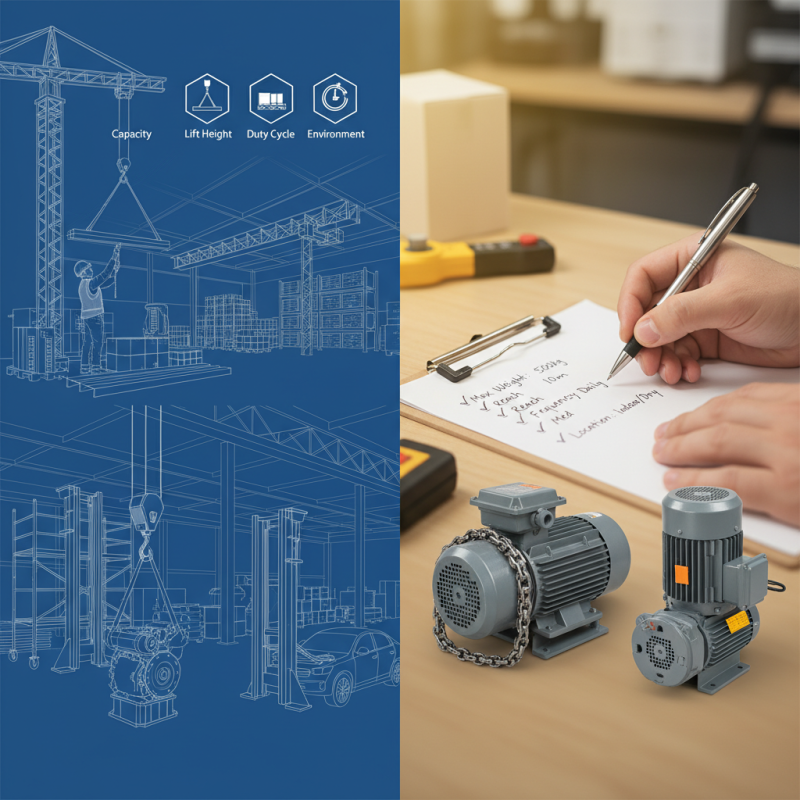
Electric Trolly Hoists come in different capacities and features. Consider the weight you need to lift and the height you want to reach. How often will you use it? Frequent use requires durability. Pay attention to the hoist's speed as well. A slower hoist might be safer but could cost you time.
Also, think about the environment you’ll be working in. Is it indoors or outdoors? Will it face harsh weather conditions? Reflect on these aspects. Sometimes you might overlook important factors that affect performance. Making a list of features that matter most can help clarify your options. Choosing an Electric Trolly Hoist should be a well-thought-out decision. Your work efficiency depends on it.
How Electric Trolley Hoists Work: A Technical Overview of Mechanisms
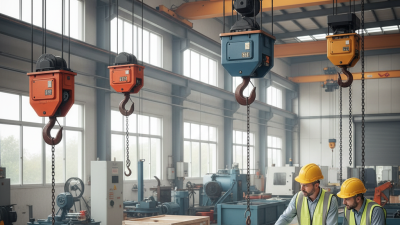
Electric trolley hoists play a pivotal role in various industries, providing efficient lifting solutions. Understanding their mechanisms is essential for selecting the right model. Typically, these hoists operate using a combination of gears, pulleys, and motors. The motor drives the gear system, which then translates rotational motion into vertical lifting force.
In a technical sense, powered motors can be AC or DC, with AC motors generally known for better durability. Reports indicate that the global electric hoist market is expected to grow by 4.5% annually. This growth highlights an increasing reliance on automated lifting equipment across sectors. Many hoists are equipped with limit switches, ensuring that loads don't exceed safety margins.
Tip: Always assess the load capacity required for your tasks. This assessment prevents over-exertion on the hoist, extending its lifespan.
Consider the height of lift you need. Some projects may require higher lifts, which can influence the type of hoist you choose. Many users overlook this detail, which can lead to inefficiencies.
Tip: Check the duty cycle of the hoist. Not all models are designed for continuous use. Overworking a hoist can lead to premature failure. Make informed choices based on operational demands.
Key Specifications to Evaluate When Selecting an Electric Trolley Hoist
When selecting an electric trolley hoist, certain key specifications are critical. One major factor is weight capacity. Many models can lift between 500 to 5,000 pounds. Choosing the right capacity ensures safety and efficiency. It's vital to assess your specific lifting needs. Consider whether you'll be lifting heavy machinery or lighter items.
Another specification to evaluate is lift speed. Typical electric hoists offer a range from 10 to 20 ft/min. A fast lift speed can save time during operations, but be cautious. Too fast might compromise control. Additionally, check the power source. Some hoists are battery-operated while others rely on electric mains. Each has its pros and cons, impacting mobility and operational costs.
Tips: Look at the features like remote control operation. This enhances safety by allowing distance during lifting. Regularly assess your work environment. Variables like load types and frequency of use can shift your choice. Don't overlook user reviews and compliance certifications. They provide real-world insights into performance and reliability.
2026 Electric Trolly Hoist Specifications Comparison
Load Capacities: Understanding Weight Limits for Safe Operations
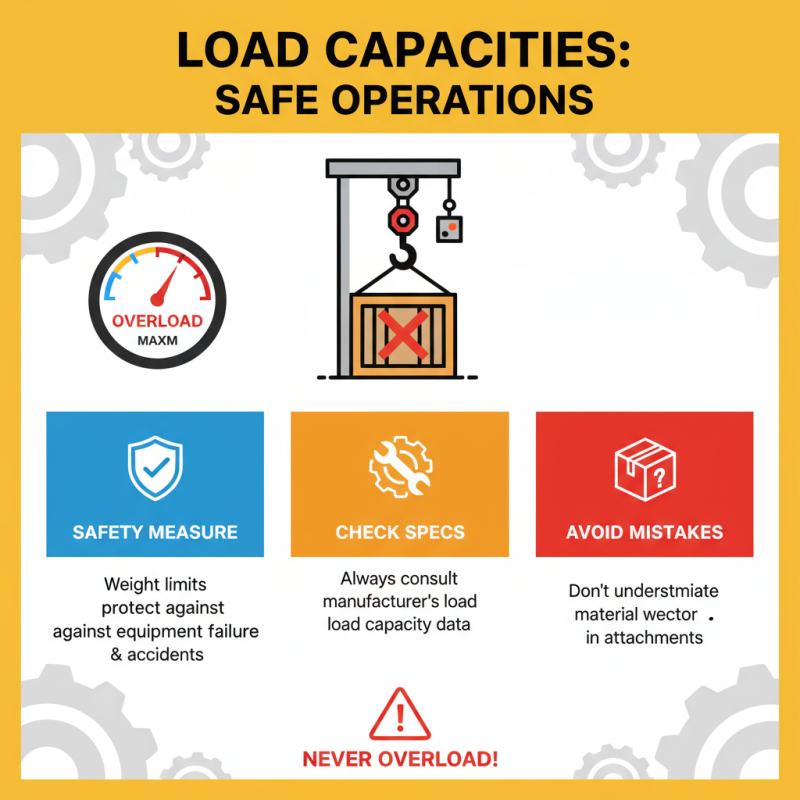
When choosing the best electric trolley hoist, it's crucial to understand load capacities. Weight limits are not just numbers; they are safety measures. Overloading a hoist can lead to equipment failure or accidents. Always check the manufacturer's specifications. A common mistake is underestimating the weight of your materials.
Tips: Consider the total weight, including any attachments. Allow for a safety margin of about 20%. This helps prevent overloading. Remember, safety comes first.
Next, think about the frequency of use. If you plan to use the hoist regularly, choose one with a higher load capacity. Some users compromise on weight limits to save money. This can be risky. Always prioritize safety over cost.
Choosing the right electric trolley hoist is not just about features; it's about understanding real-world applications. Make sure to perform regular checks. A little maintenance can prolong the life of your hoist and ensure safe operations.
Safety Features and Compliance Standards for Electric Hoists
When selecting an electric trolley hoist, safety features should be your top priority. Look for hoists that meet industry compliance standards. These standards ensure that the equipment can handle loads safely. Features like automatic shut-off prevent overload situations. This can save you from dangerous accidents.
Consider the materials used in construction. Quality materials improve durability and safety. Look for hoists with robust hooks and cables. They should resist wear and tear. Regular maintenance is essential, even for high-quality equipment. Minor issues can escalate if not addressed promptly.
Finally, user reviews can provide insights into real-world performance. Experienced users often highlight safety problems that manuals may overlook. Take feedback seriously. A hoist may look great on paper but fail in practice. A well-informed choice can lead to safer operations.
2026 How to Choose the Best Electric Trolly Hoist for Your Needs? - Safety Features and Compliance Standards for Electric Hoists
| Feature |
Description |
Compliance Standard |
Weight Capacity (lbs) |
Lift Speed (ft/min) |
| Overload Protection |
Automatically shuts off when load exceeds limit |
OSHA, ANSI |
2000 |
30 |
| Emergency Stop Button |
Quickly stops the hoist in case of an emergency |
CE, ISO |
1500 |
25 |
| Limit Switch |
Prevents the load from rising too high |
ANSI, ASME |
1000 |
20 |
| Remote Control |
Allows operation from a safe distance |
IEC |
500 |
18 |
| Heat Protection |
Prevents overheating of the motor |
UL, CSA |
800 |
22 |
Cost Analysis: Budgeting for Purchase and Maintenance of Hoists
When budgeting for an electric trolley hoist, it’s essential to consider both the purchase and maintenance costs. According to industry reports, the initial investment in a good-quality hoist can range from $500 to $2,500. Factors such as lifting capacity and additional features impact pricing significantly. Many buyers overlook the potential for long-term costs related to maintenance and repairs. A well-maintained hoist can offer reliable service for years, yet neglect can lead to high repair bills.
Maintenance costs can average around $100 annually. Regular inspections and servicing are crucial. Yet, many companies underestimate the frequency needed, which can lead to safety hazards. Studies show that about 25% of hoist failures result from poor maintenance practices. Owners should prioritize routine checks.
Understanding these cost dynamics is vital. The total cost of ownership can be more than just the sticker price. It requires thoughtful planning to avoid unexpected expenses down the line. Balancing initial costs with ongoing maintenance not only ensures safety but also protects your investment over time.