How to Choose the Best Manual Chain Blocks for Your Needs
Choosing the right Manual Chain Blocks can seem daunting. These tools are essential for lifting heavy loads safely and efficiently. Understanding their features is crucial for making informed decisions.
Manual Chain Blocks come in various designs and capacities. Each design serves specific lifting needs. Evaluating your requirements helps narrow down options. Some blocks excel in precision, while others focus on strength.
It's vital to consider the environment where you'll use them. For example, outdoor conditions might affect material choice. The right Manual Chain Block ensures safety and reliability. You might question your selection process, and that's good. Reflecting on your needs leads to better choices.
Understanding Manual Chain Blocks: Types and Mechanisms
Manual chain blocks are essential tools for lifting heavy loads. They come in various types and mechanisms. Understanding these differences can help you select the right one for your needs.
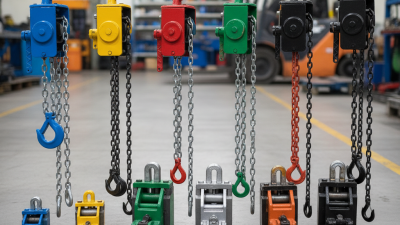
There are two main types of manual chain blocks: lever hoists and chain hoists. Lever hoists are compact and easy to use. They are ideal for lifting in tight spaces. Chain hoists, on the other hand, are better suited for heavier loads. They utilize a robust chain for lifting. Both types have their advantages, depending on your tasks.
The mechanism of these blocks also affects performance. A well-designed ratchet mechanism allows for smooth operation. Look for blocks with durable chains, as these are crucial for safety. Some blocks may have features like overload protection, which adds an extra layer of reliability. However, regular maintenance is crucial. Small issues can escalate if not addressed promptly. Consider your specific lifting requirements before making a choice.
Key Factors in Selecting the Right Load Capacity for Your Tasks
When selecting a manual chain block, load capacity should be your primary concern. Knowing the weight of the materials you'll lift is essential. A block should always have a higher capacity than your heaviest load to ensure safety. For instance, if you need to lift 2 tons, a block rated for at least 2.5 tons is advisable. This extra capacity accounts for unexpected factors like load sway or additional items.
Tip: Consider the weight distribution. Unevenly distributed loads can increase stress on the chain block. Always inspect your load before lifting.
Another factor is the working height. Measure the vertical distance you plan to lift materials. A block that does not reach the required height can lead to frustrating adjustments. Also, check the lift speed; some tasks may require quick lifting.
Tip: Test your chain block with a lighter load before the actual lift. This can help you understand its operation and limitations.
Choosing the right manual chain block is a balance of these factors. Remember that overestimating your needs can lead to wasted investment, but underestimating can cause safety hazards. This reflection is crucial to making an informed decision.
Evaluating Gear Ratios for Efficiency and Performance in Chain Blocks
When selecting manual chain blocks, understanding gear ratios is crucial for optimal efficiency and performance. Gear ratios determine how much load can be lifted with minimal effort. For instance, a block with a 4:1 gear ratio requires less force to lift heavier items, enhancing productivity on job sites. According to the Material Handling Industry's report, a well-chosen gear ratio can increase efficiency by up to 30%. This improvement contributes significantly to reducing worker fatigue and downtime.
Choosing the right gear ratio is not just about lifting capacity. It also affects speed and control during operation. A higher gear ratio may lift loads slower, but it provides better control for delicate tasks. Industry experts recommend evaluating specific project requirements before making a choice. Understanding the balance between speed and power can prevent potential mishaps or inefficiencies.
Tip: Always test the chain block in a controlled environment before use. This practice helps identify the best gear ratio for your workload. Another important aspect is maintenance. Regularly inspect gear systems for wear and tear to ensure longevity. A small oversight can lead to significant problems in critical operations.
Identifying Safety Standards and Certifications in Chain Block Selection
Selecting the right manual chain block involves understanding safety standards and certifications. Safety must be a top priority. Many industries use chain blocks, and the risks can be significant if proper precautions are not followed. It is essential to verify if the chain block meets established safety standards. Look for certifications from recognized organizations in your region. These certifications signal that the device has undergone rigorous testing.
Consider the weight capacity of the chain block. Overloading can lead to failures that compromise safety. Besides weight limits, check for features like automatic brakes. These can prevent accidents in case of a sudden drop. Inspect the build quality as well. Material durability can vary widely, affecting both performance and safety.
Incorporate user feedback into your research. Often, practical experiences reveal issues not covered in manuals. Some chain blocks may seem reliable but can show unexpected weaknesses over time. It’s important to reflect on these insights when making a choice. A thorough understanding of safety standards and certifications helps ensure a safer work environment. Trust in verified information will guide you toward making better choices.
Comparing Material Durability and Maintenance Requirements in Chain Blocks
When selecting a manual chain block, material durability is crucial. Steel is a common choice due to its strength. However, it can be prone to rust without proper maintenance. On the other hand, aluminum is lightweight and resistant to corrosion. But it may not handle heavy loads as effectively. Balancing these factors is key to ensuring longevity.
Maintenance requirements also vary with materials. Steel blocks need regular inspections, especially for corrosion. Clean them frequently to prevent build-up. Aluminum blocks are easier to maintain but can still suffer from wear. Proper lubrication is essential for smooth operation. Ignoring maintenance can lead to failures, which may have serious consequences.
Consider your working environment. If it's outdoors, opt for materials with better weather resistance. Indoor use may afford more flexibility. A practical approach involves weighing the pros and cons of each material. Investing in quality may seem costly, but it pays off in durability. Reflecting on your needs helps in making a wise choice.
Material Durability and Maintenance Requirements in Manual Chain Blocks