How to Choose the Best Movable Hydraulic Lift for Your Needs
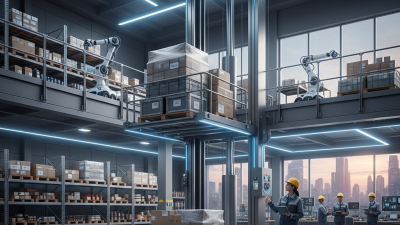
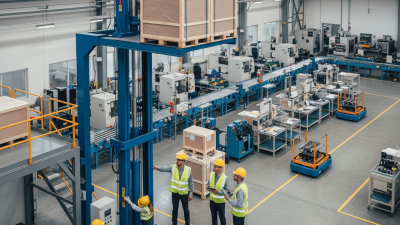
In today's rapidly evolving industrial landscape, the need for efficient material handling solutions has become paramount. According to a recent report by MarketsandMarkets, the global hydraulic lift market is projected to grow from USD 3.2 billion in 2021 to USD 4.9 billion by 2026, reflecting a compound annual growth rate (CAGR) of 8.5%. This growth is largely driven by the demand for safer and more effective lifting equipment across various industries, including construction, manufacturing, and logistics. Within this sector, the Movable Hydraulic Lift stands out as a versatile tool that enhances operational efficiency by providing flexibility in transporting materials at various heights.
Choosing the right Movable Hydraulic Lift for your specific needs can be a daunting task, given the multitude of options available in the market. Factors such as weight capacity, lift height, mobility features, and safety standards play a critical role in making an informed decision. According to the Occupational Safety and Health Administration (OSHA), improper lifting equipment usage can account for a significant percentage of workplace injuries, emphasizing the importance of selecting the right lift. As industries continue to prioritize safety and efficiency, understanding the key attributes of Movable Hydraulic Lifts becomes essential for optimizing productivity while minimizing risks. This guide will navigate the pivotal elements that should influence your selection process, ensuring that you find the ideal solution tailored to your operational requirements.

Understanding Movable Hydraulic Lifts: Types and Functions
Movable hydraulic lifts are versatile tools designed to aid in various lifting applications, primarily in industrial and commercial settings. Understanding the types of movable hydraulic lifts is crucial for selecting the right one for your specific needs.
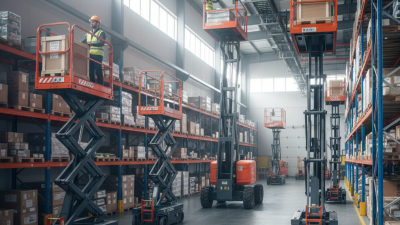
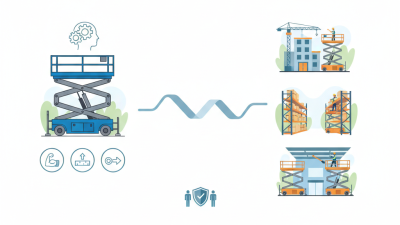
Generally, these lifts can be categorized into several types, including scissor lifts, articulated boom lifts, and personnel lifts. Each type serves different functions; for instance, scissor lifts offer substantial vertical reach while maintaining stability, making them ideal for tasks such as warehouse maintenance or installation work. Articulated boom lifts, on the other hand, provide greater outreach capabilities, allowing access to hard-to-reach areas, like rooftops or high walls.
In addition to their structural differences, the functions of movable hydraulic lifts vary significantly. Some lifts are designed specifically for transporting heavy loads, while others prioritize worker safety and access at elevated heights. The lift's capacity, maximum height, and maneuverability are critical factors to consider based on the tasks at hand. For example, if your needs involve lifting heavy machinery or materials, a lift with a higher load capacity and lower platform height might be essential. Conversely, if the focus is on accessing tight spaces or performing maintenance tasks at height, a more compact design with enhanced mobility will be necessary. Understanding these distinctions helps ensure you select the most suitable movable hydraulic lift for your operations.
Key Considerations for Selecting the Right Hydraulic Lift
When selecting a movable hydraulic lift, there are several key considerations to keep in mind to ensure you choose the right equipment for your needs. First and foremost, assess the weight capacity required for your applications. Different lifts are designed to handle varying loads; thus, understanding the maximum weight you need to lift is crucial to ensure safety and efficiency. Additionally, consider the height range the lift must achieve. Depending on your projects, you may need a lift that can reach significant heights, which will influence the type and model you select.
Another important factor is the mobility of the hydraulic lift. If your operations require frequent relocation of the lift, look for models that are equipped with wheels or tracks for easy transport. Additionally, consider the terrain where the lift will be used. Some lifts are better suited for uneven surfaces or outdoor settings, and knowing the environment can help in making the right choice.
Finally, evaluate the lift's power source—whether electric, hydraulic, or pneumatic—as this will affect both performance and operational convenience. By taking these considerations into account, you can make an informed decision that aligns with your specific lifting requirements.
Assessing Load Capacity and Weight Requirements
When selecting a movable hydraulic lift, one of the paramount considerations is the load capacity and weight requirements. Understanding these factors is crucial as they directly influence the safety and efficiency of the lift. Assess the maximum weight you intend to lift, including any additional equipment or materials that may be used concurrently. It’s essential to choose a lift that can handle more than your estimated requirements to provide a safety buffer, ensuring that it operates effectively without risking overload or mechanical failure.
Tips: Always refer to the manufacturer’s specifications for load capacity, and consider how often the lift will be used and the types of loads it will handle. If you anticipate frequent heavy lifting, investing in a higher capacity lift may save you from potential downtime and maintenance issues in the future.
In addition to load capacity, evaluate the weight of the lift itself. A heavier lift might offer more stability but could be more challenging to maneuver. Conversely, a lighter lift can be easier to transport but may compromise on strength. Ensure you find a balance that meets both your mobility needs and the required strength for secure lifting.
Tips: Testing the lift in practice can provide valuable insights. If possible, conduct trial runs with weights that mimic your typical loads, paying close attention to how the lift performs under those conditions.
Evaluating Mobility Options and Features
When selecting the best movable hydraulic lift, evaluating mobility options and features is crucial to ensure it meets your specific needs. Recent industry reports indicate that mobile hydraulic lifts can significantly enhance operational efficiency in various sectors, with a notable increase in productivity by up to 30% when the right mobility features are utilized. Key mobility considerations include weight capacity, lifting height, and footprint, which can influence maneuverability and versatility in different environments.
In addition to basic mobility criteria, advanced features such as wheel configurations, braking systems, and control mechanisms play a vital role in determining a lift's effectiveness. A study by the American National Standards Institute (ANSI) highlights that lifts with robust wheel designs can reduce manual handling injuries by up to 25%. Moreover, choosing a lift equipped with ergonomic controls can streamline operations, minimizing the physical strain on operators. Evaluating these features against your operational context will contribute to making an informed decision, ultimately enhancing safety and productivity in your workflow.
Maintenance and Safety Tips for Hydraulic Lifts
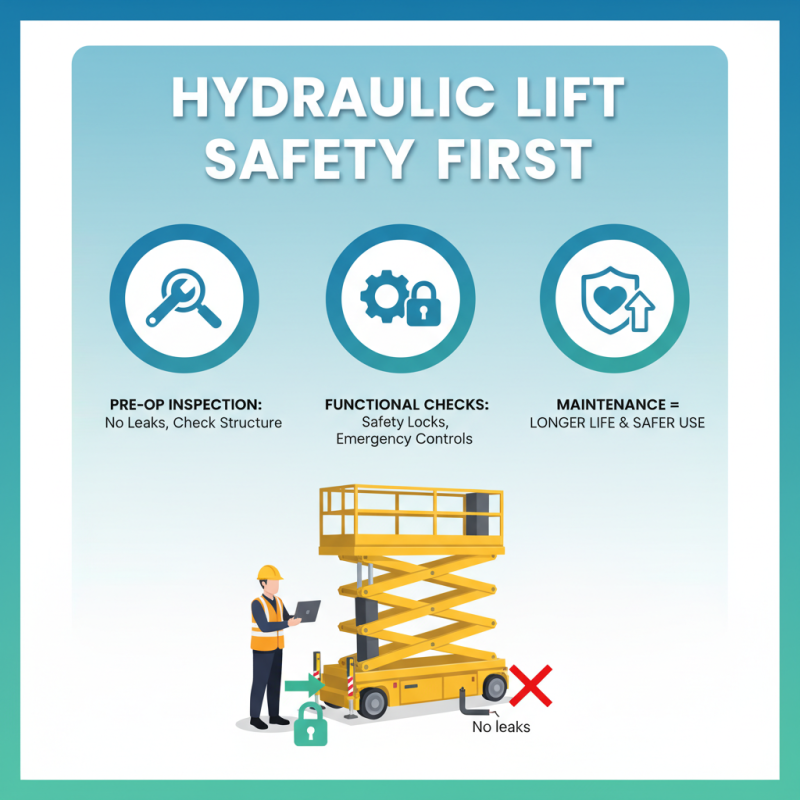
When using a movable hydraulic lift, safety should always be a priority. Before operating the lift, it’s essential to conduct a thorough inspection. Check for visible damages like leaks in the hydraulic hoses, unusual noises during operation, and the integrity of the lift’s structure. Ensure that the lift's components, such as the safety locks and emergency controls, are functioning correctly. Proper maintenance not only prolongs the lifespan of the equipment but also enhances user safety.
In addition to regular inspections, adhering to safety guidelines is crucial. Operators should be trained on the specific hydraulic lift in use, including understanding the weight limits and safe operating procedures. Always ensure that the area around the lift is clear of obstacles and that only authorized personnel are allowed in the vicinity during operation. Using personal protective equipment, such as helmets and gloves, can further protect operators from potential hazards. Regular maintenance checks, including fluid levels and control functioning, are vital to avoid malfunctions that could lead to accidents. By following these guidelines, the risks associated with hydraulic lifts can be significantly reduced, ensuring a safer working environment.