How to Choose the Right Hydraulic Cargo Lift for Your Needs?
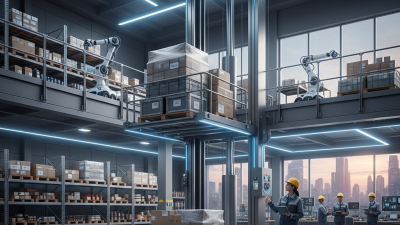
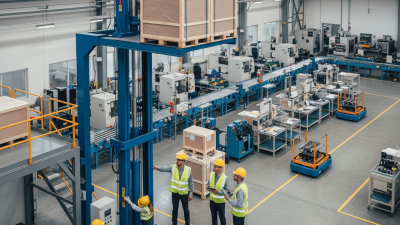
Choosing the right Hydraulic Cargo Lift is critical for ensuring efficiency and safety in transporting goods. These lifts come in various sizes and capacities, tailored to different applications. Understanding your specific requirements is essential. You may need to consider factors such as weight capacity, lift height, and available space for installation.
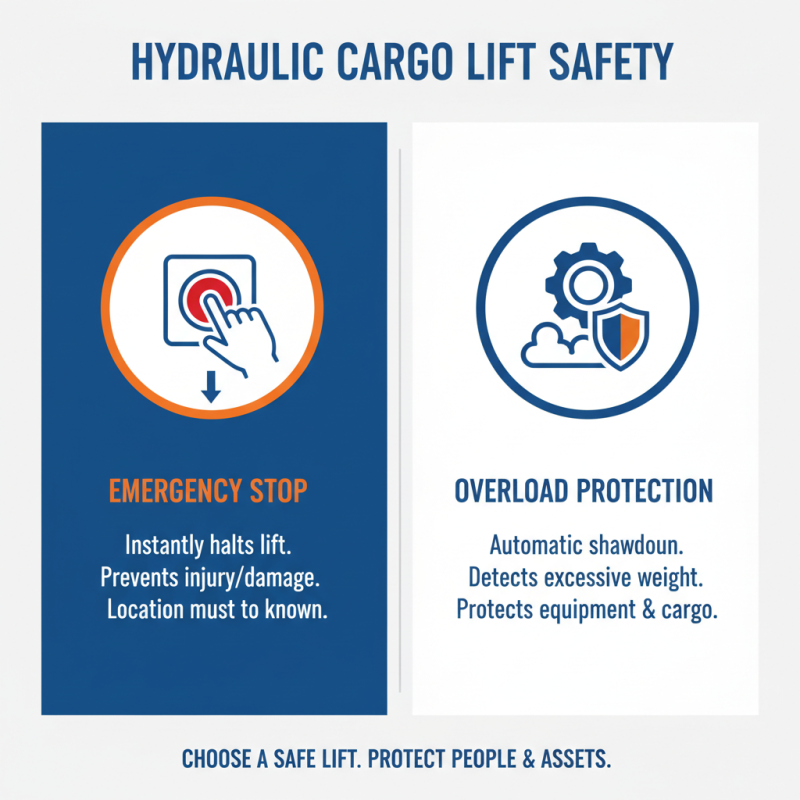
Many users overlook the importance of assessing their operational environment. For example, is the lift intended for indoor or outdoor use? Environmental conditions matter. Selecting a lift designed for specific conditions can greatly impact performance and longevity. In some cases, a poorly chosen Hydraulic Cargo Lift can lead to safety hazards or increased maintenance costs.
Consulting with experts can provide valuable insights. However, keep in mind that not all opinions may be equal. It's crucial to evaluate the source of information. With a clear understanding of your needs, you can confidently select a Hydraulic Cargo Lift that optimally serves your operations. Be prepared to reassess your choice after usage. Continuous improvement is vital in today's fast-paced world.
Understanding Different Types of Hydraulic Cargo Lifts for Various Uses
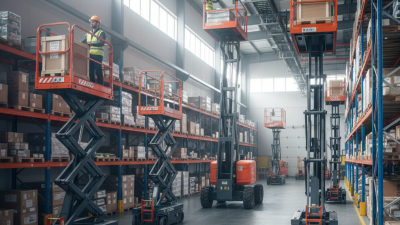
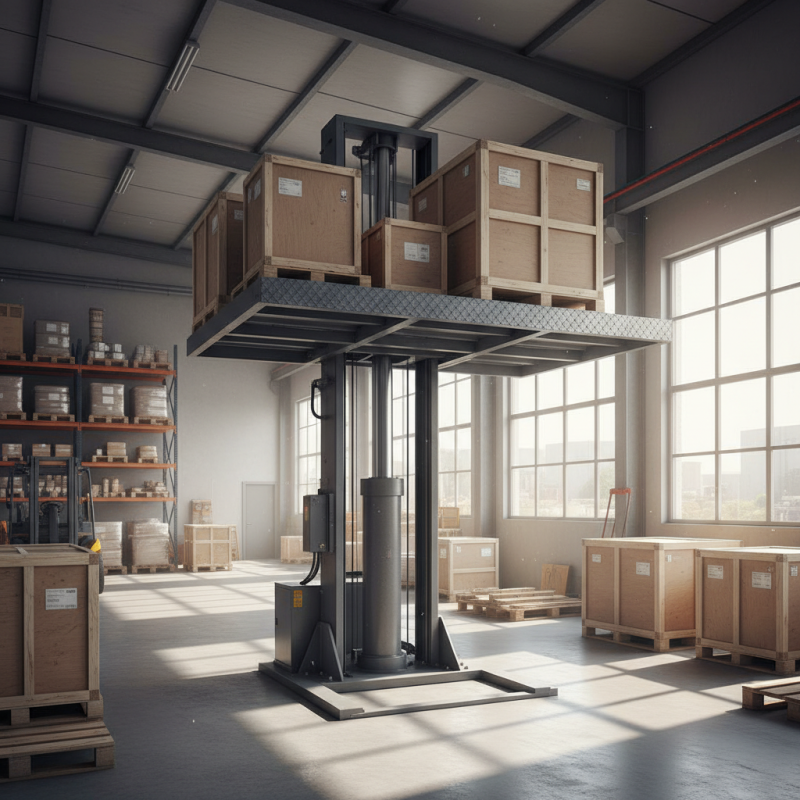
When selecting a hydraulic cargo lift, understanding the various types available is crucial. There are several common types, including scissor lifts, vertical lifts, and platform lifts. Each type is designed for specific industrial applications, varying in load capacity, height, and mobility. For instance, scissor lifts can typically handle loads up to 8,000 pounds, making them ideal for warehouse operations. According to industry studies, over 40% of businesses prefer scissor lifts for their versatility.
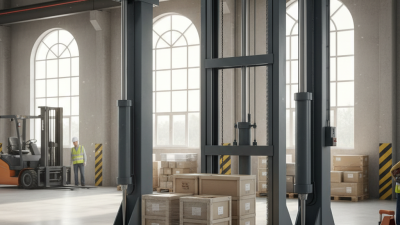
Vertical lifts are another option. They are suitable for transporting goods vertically, often used in multi-story buildings. These lifts can reach heights over 40 feet, making them vital for efficient inventory management. However, they may involve higher installation costs. Engaging with a reputable manufacturer can ensure compliance with safety regulations. A report from the American Society of Mechanical Engineers emphasizes the importance of safety certifications for any lift, as workplace accidents can lead to significant financial losses.
Additionally, platform lifts cater to specialized needs, often used for disabled access in public buildings. While they may not carry as much weight as other lifts, their design prioritizes safety and accessibility. Considering the lift's primary use is essential. According to recent surveys, around 30% of users expressed dissatisfaction with their choices due to improper usage understanding. Investing time in research can lead to better long-term outcomes.
Key Specifications to Consider: Load Capacity, Dimensions, and Speed
When selecting a hydraulic cargo lift, understanding key specifications is crucial. Load capacity is a primary factor. It determines how much weight the lift can safely handle. According to industry data, the average load capacity for standard hydraulic lifts ranges from 2,000 to 10,000 pounds. Choosing a lift with a capacity too low for your needs can lead to potential safety risks.
Dimensions also play a significant role. Lift size affects its installation and usability in confined spaces. The standard dimensions vary, but most lifts range from 4 by 6 feet to 6 by 12 feet. It’s essential to measure the area where the lift will be installed. A poorly sized lift can limit its functionality and create operational inefficiencies.
Speed is another critical specification. Typical hydraulic lifts operate at speeds of 20 to 100 feet per minute. A higher speed enhances productivity, but it may also compromise safety. Balancing speed with careful consideration of loading and unloading operations is vital. An overly fast lift could lead to accidents. Understanding these specifications is key to making an informed choice. Reflect on these factors to find the lift that best suits your operational needs.
Hydraulic Cargo Lift Specifications Comparison
Assessing Installation and Maintenance Needs for Long-Term Efficiency
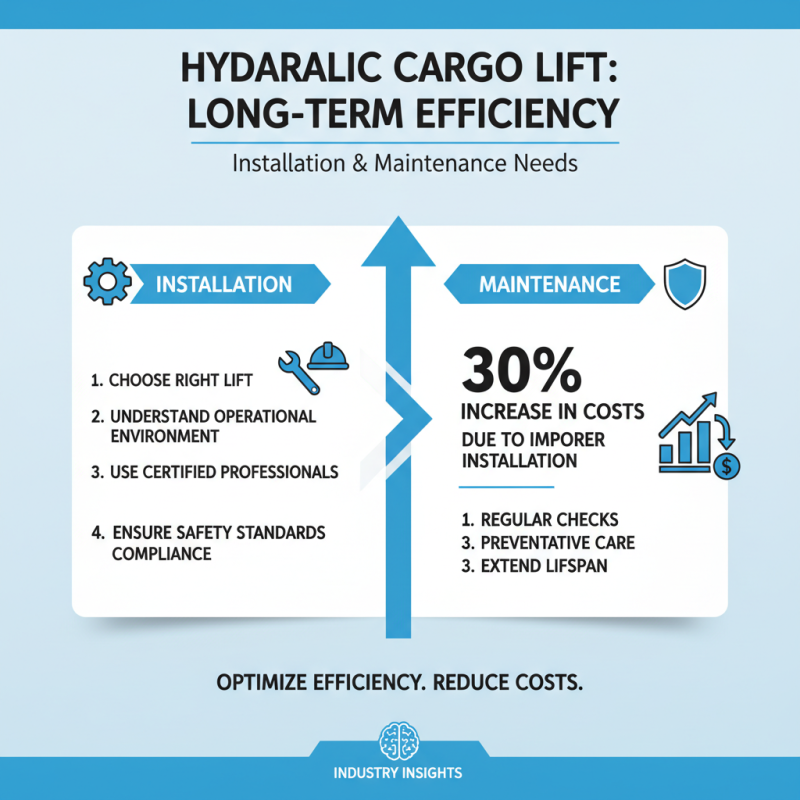
When considering a hydraulic cargo lift, it’s crucial to assess installation and maintenance needs. Choosing the right lift involves understanding your operational environment. According to industry reports, improper installation can lead to a 30% increase in maintenance costs over time. Engage certified professionals for installation to ensure compliance with safety standards.
Maintenance is equally vital for long-term efficiency. Regular inspections can extend the lifespan of the lift. A study found that companies investing in preventative maintenance saw a 25% reduction in downtime. Planning for maintenance can prevent unforeseen complications. However, be aware that costs can escalate if maintenance schedules are neglected or if parts are sourced from unreliable suppliers.
While hydraulic systems are efficient, they require a thoughtful approach. Consider the average lifespan of a hydraulic lift is about 10-15 years. This lifespan can vary based on usage and maintenance practices. If not properly maintained, the lift's performance diminishes. Keeping detailed records of maintenance activities can help identify patterns and areas needing improvement. A proactive strategy leads to better decision-making down the road.
Cost Analysis: Initial Investment vs. Long-Term Operational Costs
When selecting a hydraulic cargo lift, the cost analysis is crucial. Initial investment costs include the purchase price and installation expenses. These can vary widely based on the lift's capacity and features. It's essential to remember that cheaper options may lead to higher long-term costs due to maintenance. Investing a bit more upfront can save money later.
Long-term operational costs should not be overlooked. Regular maintenance is vital for keeping the lift functional and safe. This involves servicing, parts replacement, and energy consumption. An efficient design can significantly reduce energy costs over time. Inadequate planning can result in unexpected expenses that strain budgets. Evaluate the long-term operational costs carefully before making a decision. Focus on reliability to ensure that your lift meets demands without costly interruptions.
How to Choose the Right Hydraulic Cargo Lift for Your Needs? - Cost Analysis: Initial Investment vs. Long-Term Operational Costs
| Lift Capacity (lbs) |
Initial Investment ($) |
Annual Maintenance Cost ($) |
Operational Cost/Year ($) |
Total Cost Over 5 Years ($) |
| 1,000 |
5,000 |
500 |
1,200 |
8,500 |
| 2,000 |
8,000 |
600 |
1,500 |
12,300 |
| 3,000 |
12,000 |
700 |
2,000 |
18,500 |
| 5,000 |
15,000 |
800 |
2,500 |
25,300 |