Why Choose a Power Chain Hoist for Your Lifting Needs?
In the lifting industry, choosing the right equipment is crucial. A renowned expert, John McCarthy, once stated, "A Power Chain Hoist can revolutionize your lifting operations." This sentiment resonates deeply as many professionals ponder the best tools for demanding tasks.
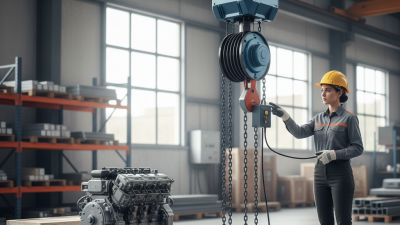
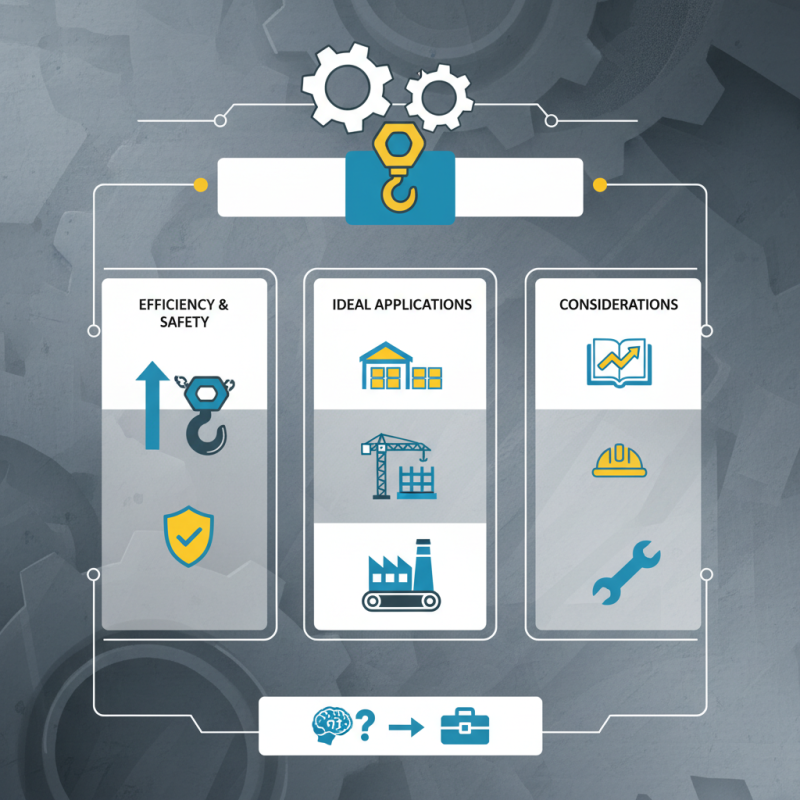
Power Chain Hoists offer remarkable efficiency and safety. They can handle heavy loads with precision. This equipment is ideal for warehouses, construction sites, and manufacturing facilities. The ease of operation makes them a favorite among seasoned workers. Yet, not every task suits this lifting solution. It is necessary to assess specific requirements before making a choice.
Additionally, while a Power Chain Hoist is powerful, it comes with a learning curve. Operators need training to unlock its full potential. Safety practices and proper maintenance are vital. Investing time in these areas can lead to significant benefits. Ultimately, choosing the right hoist involves careful consideration and reflection on both the task and the tools at hand.
Advantages of Power Chain Hoists in Heavy Lifting Applications
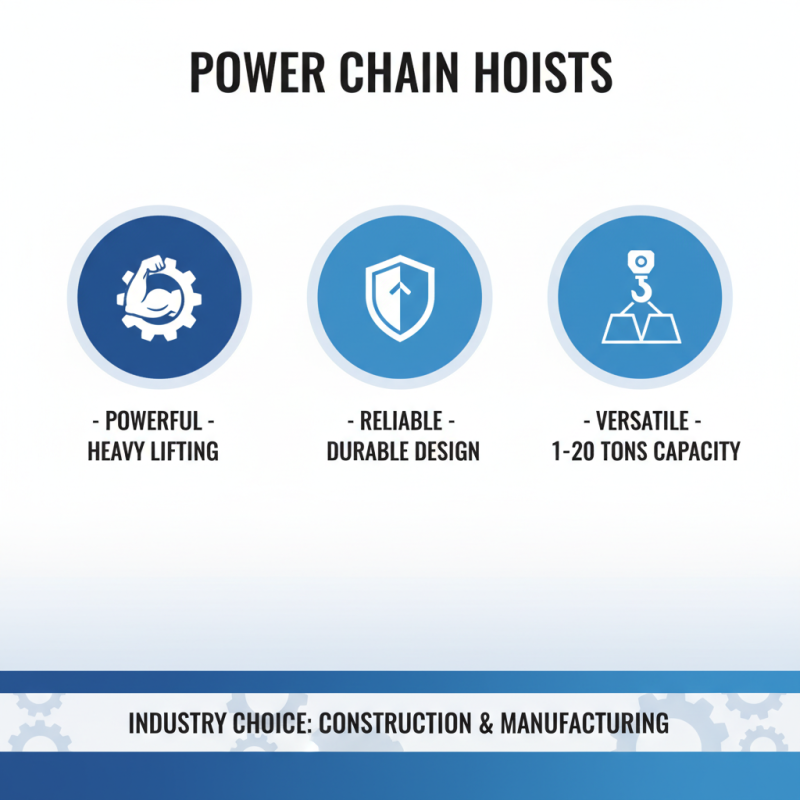
Power chain hoists stand out in heavy lifting applications for several reasons. They are powerful, reliable, and capable of significant weight loads. Industry reports indicate that these hoists can lift loads up to several tons, making them suitable for construction sites and manufacturing plants. For instance, a typical power chain hoist can lift between 1 to 20 tons, depending on the model. This versatility makes them a go-to choice for many industries.
Another advantage is their efficiency. Power chain hoists operate quickly, significantly reducing lifting time. According to a study from the American Society of Mechanical Engineers, the average lifting speed of a power chain hoist can reach up to 10 meters per minute. This speed can speed up workflows, which is crucial in environments where time is money. However, it’s essential to note that proper training is vital. Misuse can lead to accidents or damage, highlighting the need for operators to be well-versed in safety protocols and equipment handling.
Additionally, power chain hoists offer precise control during lifting operations. Fine adjustments can be made, which is vital when positioning loads accurately. This level of control might not be as prominent in other lifting methods, such as manual hoists or cranes. Nonetheless, relying too much on technology without proper checks can create risks. Regular maintenance checks are necessary to ensure reliability and safety, reflecting a need for a balanced approach between automation and manual oversight in lifting operations.
Comparative Load Capacity: Power Chain Hoists vs. Other Hoisting Systems
When considering lifting equipment, load capacity is crucial. Power chain hoists often outperform other hoisting systems in this regard. According to industry reports, electric chain hoists can handle loads from 1 to 50 tons, depending on their design. Comparatively, manual hoists tend to have lower capacities, generally maxing out around 2 tons. This disparity makes power chain hoists more suitable for heavy-duty applications.
Additionally, the load stability provided by power chain hoists is notable. Data suggests they maintain a precise lifting speed, minimizing risk. For example, high-quality models can lift loads at speeds of 3 to 15 meters per minute. This can significantly reduce the time spent on tasks, particularly in industrial settings. Yet, it's important to recognize that not all projects require this level of power. Smaller operations might find manual hoists more sufficient, albeit less efficient.
However, choosing the right system requires careful consideration. While power chain hoists offer greater load capabilities, they also come with higher costs and complexity in installation and maintenance. Ensuring you have the right capacity for specific needs is essential. It'll save you from investing in unnecessary equipment and potential safety issues down the line. Balancing efficiency and cost is key to selecting the best hoisting solution for your operations.
Why Choose a Power Chain Hoist for Your Lifting Needs? - Comparative Load Capacity: Power Chain Hoists vs. Other Hoisting Systems
| Hoisting System Type |
Max Load Capacity (lbs) |
Average Lift Speed (ft/min) |
Power Source |
Typical Applications |
| Power Chain Hoist |
2,200 |
10 |
Electric |
Construction, Warehousing |
| Manual Chain Hoist |
1,000 |
5 |
Manual |
Maintenance, Light Rigging |
| Electric Wire Rope Hoist |
5,000 |
15 |
Electric |
Heavy Industrial, Shipping |
| Pneumatic Hoist |
1,500 |
8 |
Air |
Food Industry, Clean Rooms |
| Hydraulic Hoist |
3,000 |
6 |
Hydraulic |
Automotive, Machine Shops |
Operational Efficiency: Speed and Precision of Chain Hoists
A power chain hoist can significantly enhance operational efficiency. Its design allows for quick lifting and lowering of heavy loads. This is particularly beneficial in environments requiring constant movement, such as warehouses or construction sites. The speed of a chain hoist gives workers time to focus on other tasks, improving overall productivity.
Precision is another critical aspect. Chain hoists enable accurate positioning. This is vital for delicate operations, such as installing machinery or lifting equipment onto high shelves. However, using a power chain hoist also requires careful training and attention. Mistakes can happen, including overloading or miscalculating height adjustments. Regular maintenance checks are needed to prevent operational failures.
While the benefits are clear, not every task suits a power chain hoist. In some cases, manual methods might be better. Evaluating the specific needs of each project is crucial. Speed and precision should be balanced with safety and efficiency. These reflections can help determine the best lifting solution for your requirements.
Safety Standards and Compliance in Power Chain Hoisting Equipment
When considering power chain hoists, safety standards are paramount. Compliance with regulations ensures equipment operates safely and effectively. According to the Occupational Safety and Health Administration (OSHA), improper lifting methods can lead to injuries or accidents. In fact, nearly 35% of workplace injuries stem from lifting issues. Organizations must prioritize equipment that adheres to safety guidelines.
Many power chain hoists comply with the American National Standards Institute (ANSI) standards. This compliance guarantees that the hoists can carry the intended loads without risking failure. Notably, a study by the American Society of Safety Engineers highlights that equipment meeting safety standards reduces risks by approximately 50%. Investing in compliant hoists is not just a choice but a necessity for a safe working environment.
Understanding load capacity is crucial. Many workers underestimate the necessary lifting requirements. Misjudgments can result in severe incidents. Regular maintenance checks and adherence to operating protocols are essential. Keeping spare parts and repair kits readily available can prevent malfunction. This approach not only enhances safety but also prolongs the life of lifting equipment. Overall, prioritizing safety standards and compliance is vital in choosing power chain hoists.
Power Chain Hoist Safety Compliance Overview
This chart illustrates the safety compliance rates for various load capacities of power chain hoists. A higher compliance rate indicates better adherence to safety standards, which is crucial for ensuring the safety and efficiency of lifting operations.
Maintenance and Longevity of Power Chain Hoists in Industrial Settings
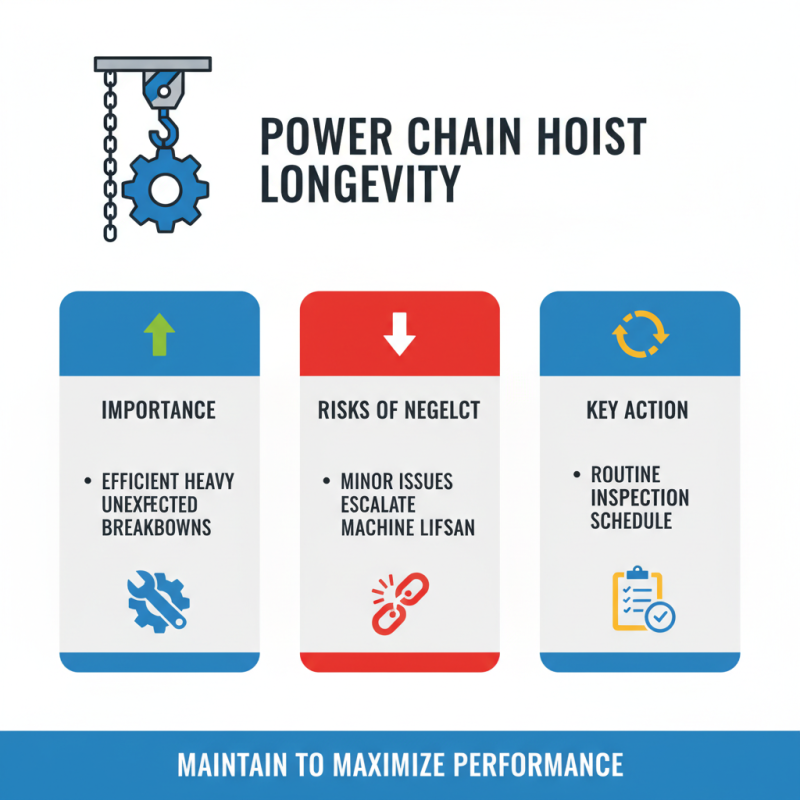
Power chain hoists are essential in industrial settings. They are designed to lift heavy loads efficiently. However, the longevity of these machines greatly depends on regular maintenance. Neglecting maintenance can lead to unexpected breakdowns. Even minor issues, if left unchecked, can cause more significant problems. It is crucial to create a routine inspection schedule.
Routine inspections should include checking the chains for wear and tear. Look for loose connections, frayed cables, or any signs of rust. These small details matter a lot. It’s easy to overlook them, but they can lead to failures. Lubricating the moving parts regularly helps reduce friction. This simple step can extend the working life of the hoist.
Training staff on proper use is just as important. Misuse can lead to damage over time. Proper techniques ensure safety and reduce wear. Workers should be aware of the hoist's load capacities. Every lifting task should start with a safety check. Keeping a log of maintenance activities helps track the hoist’s performance. It can reveal patterns or recurring issues needing attention. Overall, investing in maintenance and proper training makes a significant difference.