How to Choose the Best Hydraulic Cargo Lift for Your Needs
Choosing the right Hydraulic Cargo Lift for your operations is crucial. With various options available, it can be overwhelming. Each setting has unique demands, and a solid lift can enhance productivity significantly.
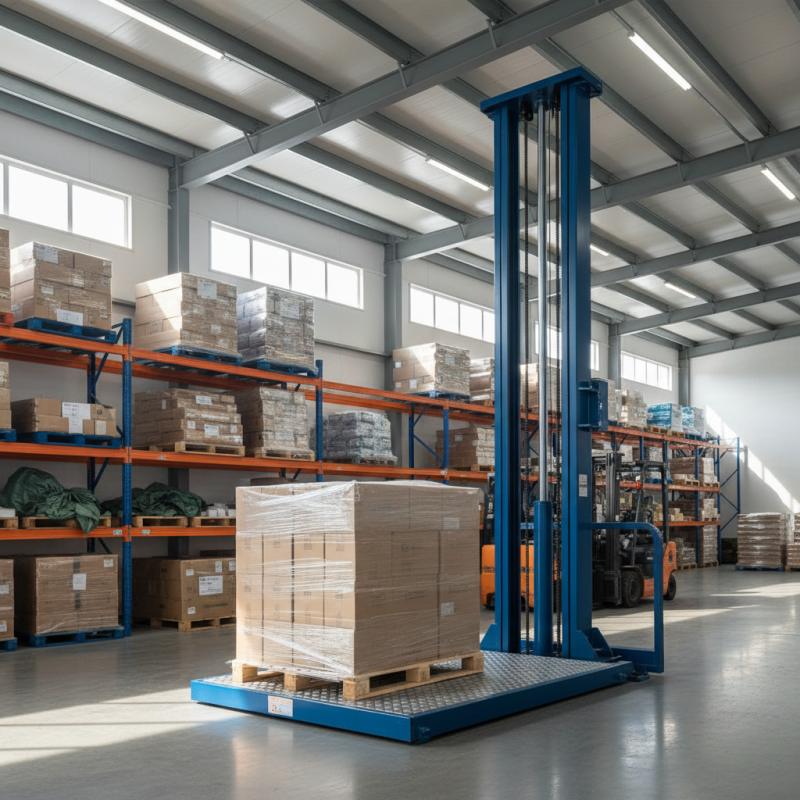
The Hydraulic Cargo Lift stands out for its efficiency in transporting heavy loads. However, not every model fits every need. For warehouses, consider the lift's capacity and dimensions. For retail settings, ease of access is key.
Reflecting on your specific requirements can lead to better choices. Are you prioritizing speed or load capacity? What about maintenance and durability? Assessing these factors will guide you in selecting the ideal Hydraulic Cargo Lift.
Understanding the Basics of Hydraulic Cargo Lifts and Their Applications
Hydraulic cargo lifts are essential in various industries. They help in transporting heavy loads safely. These lifts work by using hydraulic fluid to move, allowing for smooth and efficient lifting. Built-in safety features prevent accidents. However, not all hydraulic lifts suit every need.
Choosing the right lift requires understanding your specific requirements. Consider the weight capacity needed. Think about the dimensions of the lift. Will it fit in your workspace? Different models cater to distinct tasks. Some are designed for freight, while others fit smaller items.
Pay attention to efficiency and maintenance needs. A well-maintained hydraulic lift can save time. However, neglecting regular checks can lead to failures. Reflect on your operational flow and safety protocols. The right hydraulic cargo lift should enhance productivity without sacrificing safety.
Key Factors to Consider in Hydraulic Cargo Lift Specifications
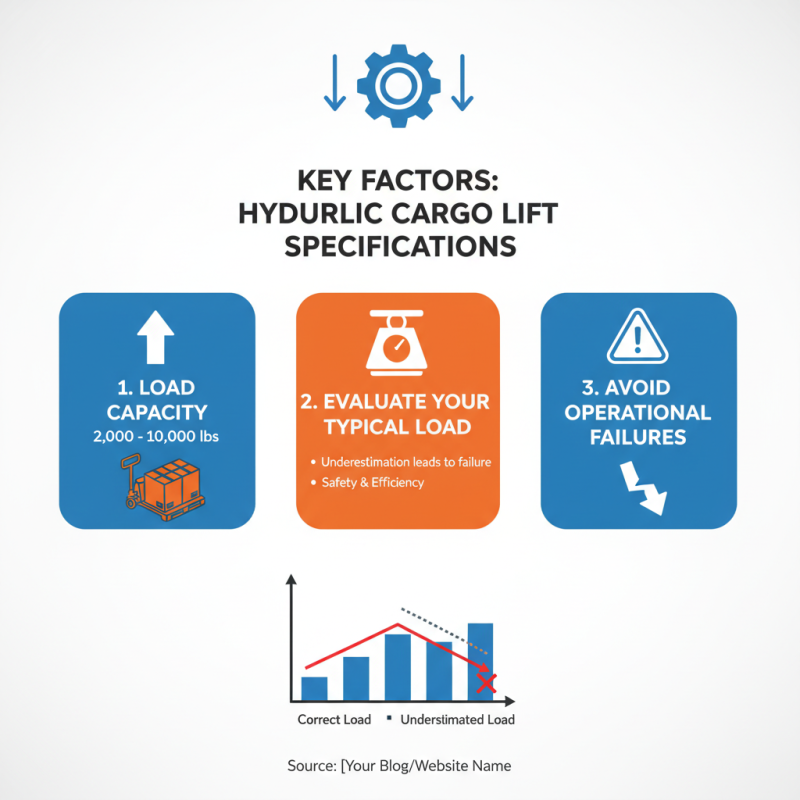
Choosing the right hydraulic cargo lift involves several key specifications. Load capacity is crucial. Most hydraulic lifts handle 2,000 to 10,000 pounds. Evaluating your typical load is essential. If you underestimate, it could lead to operational failures.
Next, consider lift height. Common models offer heights ranging from 3 to 20 feet. A lift that is too short can hamper workflow. You need smooth access between levels. The lifting speed also matters. It usually ranges from 1 to 3 feet per second. Slow lifts can affect productivity. A lift that moves too slowly can frustrate workers.
Safety features should not be overlooked. Emergency stop buttons and overload sensors are vital. According to a recent safety report, nearly 30% of lift accidents stem from device malfunctions. Regular maintenance checks are necessary but often neglected. Skipping these checks can lead to critical failures. Investing in quality specifications can reduce long-term costs.
Evaluating Load Capacity and Performance Metrics of Hydraulic Lifts
When evaluating hydraulic lifts,
load capacity is crucial. Industry reports show that the
average load capacity varies widely, from 1,000 to 15,000 pounds.
Understanding your specific needs will help you select the right lift. A lift rated for
5,000 pounds may suffice for small operations.
However, larger warehouses often require capacities above
10,000 pounds for efficiency.
Performance metrics are equally important.
Speed, reliability, and safety features
should be examined. Common speeds range from 20 to 50 feet per minute.
A faster lift can save time, but it may come with trade-offs in stability.
Regular maintenance is necessary to uphold performance standards. Some operators overlook this,
resulting in unexpected downtime.
Also, consider the lift's
footprint. Space constraints can dictate your options.
Choosing a larger lift in a cramped area can lead to operational challenges. While hydraulic lifts are adaptable,
their installation must be carefully planned. Users often report issues stemming from improper sizing,
necessitating a second look at their requirements.
Clear assessments can prevent costly mistakes and ensure optimal function.
Comparing Different Types of Hydraulic Cargo Lifts for Versatile Use
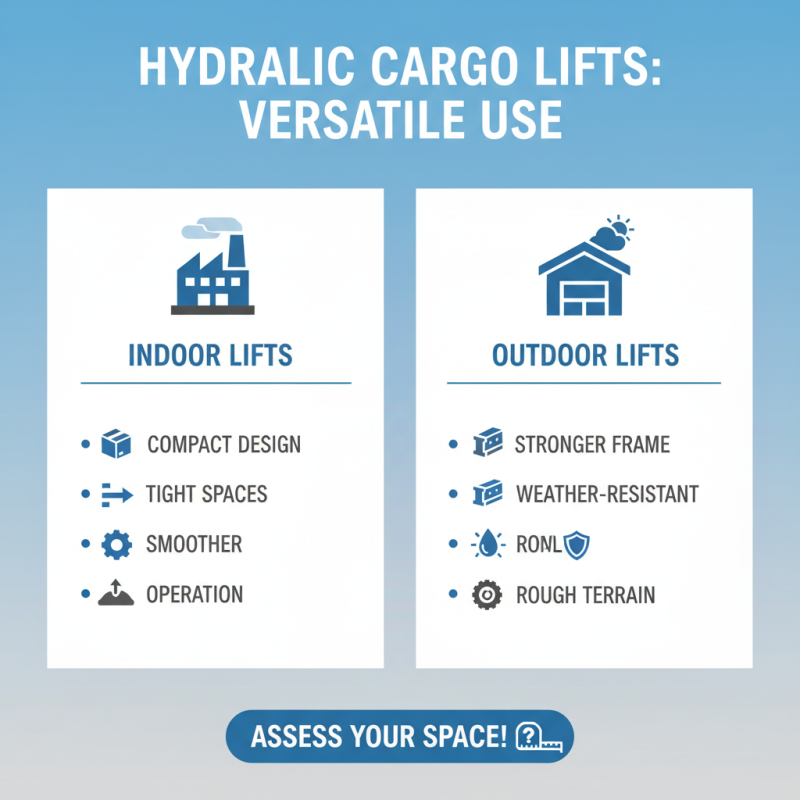
When choosing a hydraulic cargo lift, it's essential to consider various types available. Some lifts are designed for indoor use, while others can handle outdoor environments. Indoor lifts often focus on compact designs, making them suitable for tight spaces. Outdoor models usually have stronger frames and weather-resistant features. Assessing your space will help narrow down your options.
Another important factor is weight capacity. Some hydraulic cargo lifts can handle light loads, while others are built for heavy-duty tasks. It's crucial to choose one that meets your specific requirements without overestimating your needs. Look for versatility in operation as well. Some models allow for customization, which can be beneficial if your business needs change over time.
In the process, don't overlook maintenance. Regular checks on hydraulic systems and safety features are essential. Neglecting these aspects can lead to issues down the line. Potential buyers should weigh all these considerations carefully. Reflections on past lifts used can guide better choices now. Ensure you keep your operational needs as well as the lift's limitations in mind.
The Importance of Safety Standards and Compliance in Hydraulic Lifts
When selecting a hydraulic cargo lift, safety standards are crucial. Compliance with these standards ensures the lift operates reliably. It protects operators and reduces accident risks. Many lifts meet basic regulations, but not all excel in safety features.
Look for features like emergency stop buttons, overload sensors, and safety guards. These elements play a significant role in preventing accidents. Simple details, like clear signage and user training, enhance safety too. Ignoring these can lead to serious injuries.
Regular maintenance is another key aspect. A lift may pass initial safety checks but can degrade over time. It's vital to perform routine inspections and repairs. The consequences of neglecting this can be devastating. Always prioritize safety to safeguard your workforce and property.
Hydraulic Cargo Lift Safety Standards Compliance