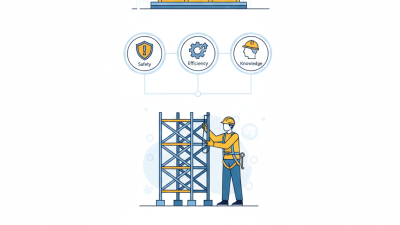
How to Choose the Best Scaffold Hoists for Safe Lifting?
When it comes to construction and maintenance, Scaffold Hoists play a crucial role in ensuring safety and efficiency. According to the latest industry report by the Occupational Safety and Health Administration (OSHA), improper lifting practices are a significant cause of construction-related injuries. Furthermore, Statistics from the National Institute for Occupational Safety and Health (NIOSH) highlight that nearly 30% of construction workers experience work-related injuries due to inadequate lifting equipment.
Selecting the right Scaffold Hoists requires careful consideration of several factors. One must evaluate the load capacity, height range, and durability of materials. Poorly chosen hoists can lead to accidents, posing risks not only to the operators but also to those working in the vicinity. Reviews from industry professionals indicate that high-quality Scaffold Hoists can reduce accident rates significantly if used properly.
Beyond expertise in equipment selection, it's essential to understand local regulations and safety standards. This vigilance ensures compliance and enhances workplace safety. However, a gap often exists between knowledge and practice, necessitating ongoing education and reflection on safety protocols. Each decision regarding scaffold equipment should reflect a commitment to safety above all else.
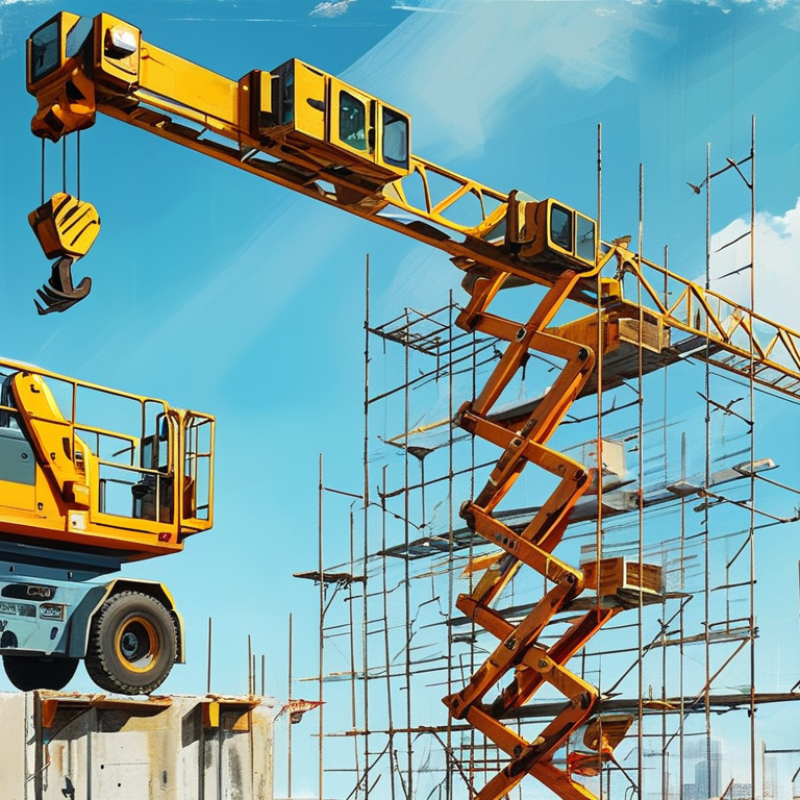
Key Factors to Consider When Choosing Scaffold Hoists for Safety
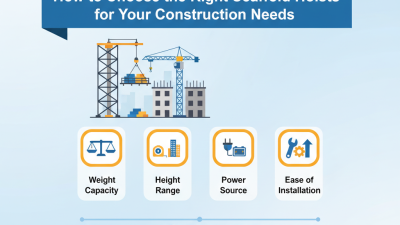
Choosing the right scaffold hoist is crucial for ensuring safety on construction sites. Safety should always be a top priority when making your selection. Consider factors like weight capacity, hoisting speed, and durability. A hoist should meet the demands of your specific tasks. Ensure it is rated for the loads you expect to lift. A hoist that is overloaded can fail, leading to serious accidents.
When evaluating hoists, pay attention to their construction materials. Steel hoists tend to be more durable and resistant to wear and tear. However, they can be heavier. Therefore, a balance between weight and strength is essential. Look for hoists with safety features such as automatic brakes and overload sensors. These will help prevent unsafe conditions.
Tip: Regular inspections are vital. Check for wear on cables and hooks. Ensure all safety features are functional. Training workers on proper use is equally important. Misuse can lead to accidents. Always encourage open communication about safety concerns. This proactive approach fosters a culture of safety.
Understanding Load Capacity: Essential Specifications in Scaffold Hoists
Choosing the right scaffold hoist involves understanding load capacity—an essential specification for safety. Load capacity refers to the maximum weight a hoist can lift. According to industry standards, this value can range from 1,000 to 3,000 pounds for most electric scaffold hoists. Miscalculating these figures can lead to dangerous situations.
When selecting a hoist, evaluate the nature of your projects. Heavy loads need robust hoists with higher ratings. Data from safety audits indicate that improper load handling causes nearly 35% of construction accidents. Ensuring you fully understand these ratings is crucial for maintaining safety on the job site.
Tip: Always account for the weight of both the materials and the hoist itself. Many forget to include additional equipment in their calculations. Another consideration should be the distribution of the load. An uneven load can compromise stability.
Proper attention to specifications is vital. Following guidelines can prevent not just accidents but also project delays. Each model you consider should meet the necessary safety standards. It is essential to research and verify specifications. Knowledge of load capacity can be the difference between safety and disaster.
Evaluating Safety Features: Essential Elements for Worker Protection
When evaluating scaffold hoists, safety features stand out as a critical element. Workers face various risks when lifting heavy materials. A reliable hoist should include essential features such as emergency stop buttons and overload protection. These elements help prevent accidents during operation, offering immediate response to potential dangers.
Another key aspect is the hoist's capacity to handle different loads. Each site has unique demands, so it's vital to choose a hoist tailored for specific tasks. Visual indicators for load limits can provide clarity and prevent overloading incidents. While many hoists claim safety, an examination of real-world user experiences can highlight areas needing improvement.
It’s important to reflect on potential failure points. Regular maintenance checks are necessary. A well-constructed hoist may still face wear over time, affecting performance. As safety should never be compromised, ensuring these systems are in optimal condition is a core responsibility for all operators. Investing in quality and monitoring functionality is crucial for sustaining a safe work environment.
Comparing Electric vs. Manual Scaffold Hoists: Pros and Cons
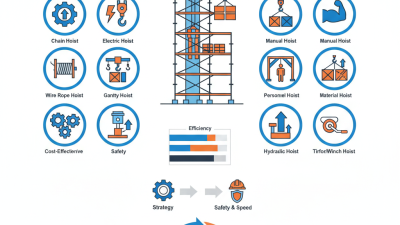
When choosing between electric and manual scaffold hoists, it's essential to understand their respective advantages and disadvantages. Electric hoists offer a powerful lifting capability. They can move heavy loads quickly. This feature is beneficial for large projects. However, they require a power source. If you're working in a site with limited electricity, this can be an issue. Maintenance can also be more complex, possibly leading to downtime.
On the other hand, manual hoists are simpler and often more portable. They do not rely on electricity, making them versatile for various environments. You can easily operate them without specialized training. However, they require more physical effort. Workers may tire quickly, especially when lifting heavy materials consistently.
Reflecting on both types, it's clear there is no perfect choice. Electric hoists excel in efficiency, while manual versions shine in portability. Consider project specifics and worker capabilities when deciding. Each option has its merits and challenges. Balancing efficiency and practicality is crucial for safety.
How to Choose the Best Scaffold Hoists for Safe Lifting? - Comparing Electric vs. Manual Scaffold Hoists: Pros and Cons
| Feature |
Electric Scaffold Hoists |
Manual Scaffold Hoists |
| Lifting Capacity |
Up to 1000 lbs |
Up to 500 lbs |
| Power Source |
Electric |
Manual (rope and pulley) |
| Ease of Use |
Very easy |
Requires physical effort |
| Setup Time |
Quick setup |
More time-consuming |
| Maintenance |
Regular electrical checks |
Minimal maintenance |
| Cost |
Higher initial investment |
Lower initial investment |
| Safety Features |
Automatic shut-off, overload protection |
Basic safety features |
Industry Standards and Compliance: Ensuring Safe Lifting Practices
Choosing the right scaffold hoist involves adhering to industry standards and regulatory compliance. These practices are crucial for ensuring safe lifting operations. According to the Occupational Safety and Health Administration (OSHA), nearly 23% of construction site accidents are related to hoisting equipment failures. Compliance with standards set by organizations like OSHA can significantly reduce these risks.
Safety standards outline the specifications for hoist equipment, including load limits and maintenance schedules. For instance, the American National Standards Institute (ANSI) provides guidelines that specify regular inspections. These inspections help identify potential issues before they lead to accidents. Keeping up with these requirements is not just a compliance issue; it safeguards workers' lives.
Tip: Always check for compliance certifications before the purchase of scaffold hoists. This ensures you select equipment that meets safety and quality standards.
In practice, operators must be adequately trained to use hoists. A report by the National Institute for Occupational Safety and Health (NIOSH) highlights that improper use of lifting equipment contributes to many incidents. In this context, ongoing training and awareness of safety protocols are essential. Operators should understand not just how to operate hoists but also the load limits specified by their manufacturer.
Tip: Invest time in regular training sessions for staff to keep safety skills sharp. Continuous education helps in raising awareness about the evolving standards.