Selecting Manual Chain Blocks is not a matter of choosing the highest capacity on the shelf. The right unit must match the load, lift height, headroom, operating frequency, and working environment. A block that fits a workshop beam may be awkward beneath a low ceiling. One with an unsuitable chain length can slow a routine lift. Small details matter.
Safety data deserves careful reading. The U.S. Bureau of Labor Statistics reported 738 fatal work injuries in the broad “contact with objects and equipment” category in its 2023 Census of Fatal Occupational Injuries. This figure does not identify chain blocks as a cause, but it underlines why load control and equipment selection need attention. A number alone cannot tell you which product to buy. Check the manufacturer’s rated capacity, inspection guidance, brake design, chain specifications, and documentation. Then consider whether operators can position and use the block without awkward pulling or poor visibility.
This guide explains how to compare those factors and ask suppliers useful questions. It also distinguishes rated capacity from a sensible working choice for the task. No checklist replaces sound judgment. And specifications can look clearer on paper than they feel beside a real load. That gap is worth considering before purchase.
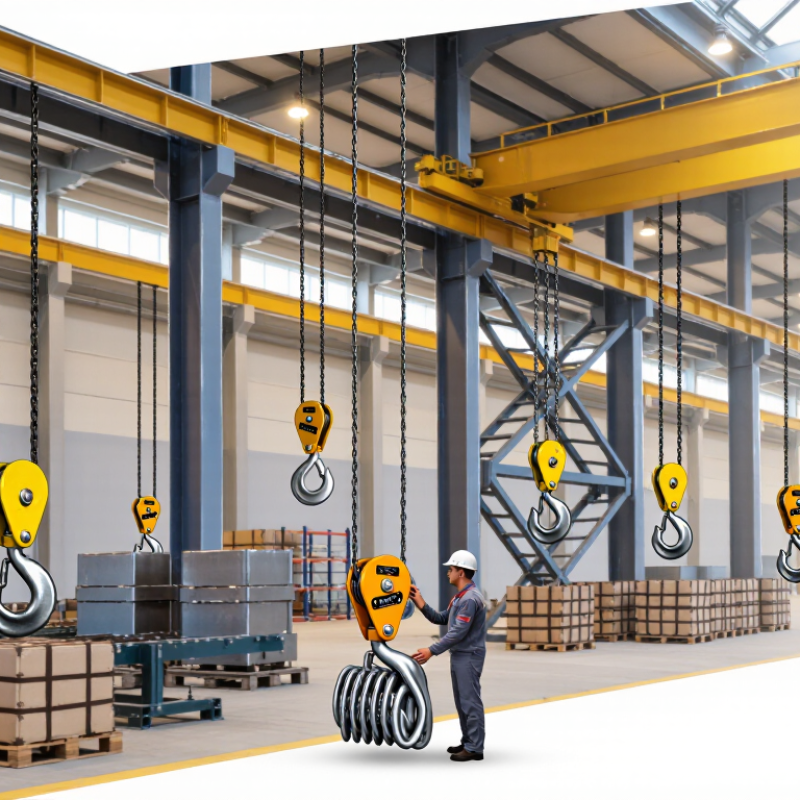
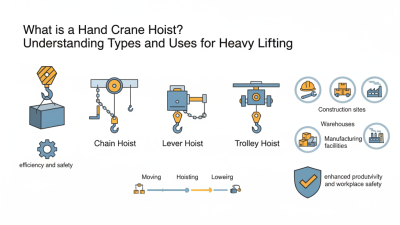
Choosing the best manual chain block starts with understanding its type and operating principle. A geared chain block uses a hand chain to turn internal gears, lifting a heavier load with controlled effort. A lever hoist uses a short operating lever, making it useful in confined spaces or for pulling and positioning equipment. Some models support straight lifting, while others allow horizontal pulling when properly rated.
Inside the housing, the hand chain drives gears connected to a load chain and lifting wheel. A mechanical brake holds the load when the operator releases the chain or lever. This simple action depends on accurate load assessment, stable anchoring, and a clear lifting path. Check the rated capacity, lift height, chain condition, hooks, and brake response before use. I have found that small chain twists can become serious problems under tension. Do not ignore them.
Tips: Choose a geared model for frequent lifting and precise control. Choose a lever hoist for tight spaces or short movements. Keep the load centered beneath the upper hook, and pull smoothly rather than jerking. Never exceed the marked capacity. A pre-use inspection takes minutes. It may prevent equipment damage, dropped loads, or a difficult explanation later. Worker training and inspection records also support safer, more reliable operation.
| Manual Hoist Type | Operating Principle | Common Applications | Key Advantages | Selection Considerations |
|---|---|---|---|---|
| Hand Chain Hoist | Pulling the hand chain turns a geared mechanism that raises or lowers the load chain. A load brake holds the suspended load when the operator stops pulling. | Vertical lifting in workshops, warehouses, construction areas, and maintenance locations. | Provides controlled lifting without electrical power; can be suspended from a fixed point or a compatible trolley. | Check the rated capacity, required lift height, available headroom, suspension arrangement, and whether the hand chain can be reached safely. |
| Lever Hoist | Moving the lever back and forth operates a ratchet-and-pawl mechanism to tension or release the load chain. A selector typically provides lifting, lowering, and neutral positions. | Pulling, tensioning, positioning, and lifting loads where compact equipment or operation from different angles is needed. | Compact and suitable for controlled pulling as well as lifting; the lever can operate in confined spaces. | Confirm the rated capacity and operating mode. Keep the chain aligned with the load and do not use the hoist to lift people or exceed its rating. |
| Manual Trolley-Mounted Hoist | A hand chain hoist is attached to a manually operated trolley. One chain operates the hoist vertically; pushing or pulling the load moves the trolley along a compatible beam. | Moving loads along a runway beam while raising or lowering them in workshops and production areas. | Combines vertical lifting with horizontal travel without a powered drive. | Check beam profile and dimensions, trolley capacity, flange compatibility, beam end stops, and the combined rated capacity of the assembly. |
| Low-Headroom Hand Chain Hoist | Uses a compact or specially arranged load-chain path to reduce the distance between the suspension point and the lifting hook compared with a conventional design. | Locations with limited vertical clearance, such as low-ceiling workshops or installations beneath structural beams. | Can provide more usable hook travel where overhead space is restricted. | Compare the specified headroom and lift height with the actual installation space; low-headroom designs may have different dimensions and service requirements. |
| Corrosion-Resistant Manual Hoist | Uses corrosion-resistant materials, protective finishes, or both, while retaining a manual geared or ratchet-based lifting mechanism. | Environments where moisture or corrosive exposure is a concern, subject to the equipment’s stated environmental limits. | May better withstand specified environmental conditions than standard finishes. | Verify material and coating specifications, allowable exposure, inspection needs, and whether the hoist is explicitly rated for the intended environment. |
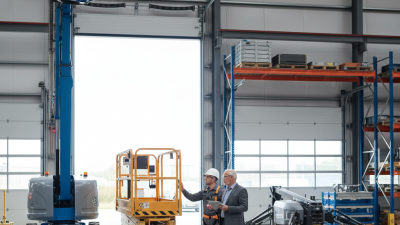
Choosing a manual chain block starts with the load, not the catalog photograph. Determine the working load limit (WLL) from the actual item, including slings, hooks, and lifting attachments. Never treat breaking strength as usable capacity. A safe selection leaves room for uncertainty, especially when the load may shift. Weigh the load with reliable records, or verify its marked mass before lifting. In practice, a slightly higher-rated block often provides better control than one used near its limit. More capacity is not automatically better. An oversized block can be heavy, awkward, and difficult to position.
Lift height requires more than measuring from the floor to the beam. Check the block’s minimum headroom, hook travel, and the space above the load. A low-clearance workshop may need a compact design, while a deep pit or tall frame demands longer chain travel. Confirm that the upper hook, beam clamp, or trolley suits the supporting structure. The lifting path must remain vertical. Side pulling can damage components and move the load unexpectedly. Keep hands clear. Slow movement improves observation, but it cannot correct a poor setup.
Application conditions shape the final choice. For frequent lifts, smooth chain operation and comfortable hand-chain reach can reduce operator fatigue. Outdoor, dusty, or damp locations require suitable protection and more frequent inspection. Look for distorted hooks, stretched chain links, damaged latches, and unusual resistance before every use. Stop if anything feels wrong. Follow applicable safety standards and the manufacturer’s instructions for inspection, maintenance, and testing. A neat calculation can still mislead when the load’s center of gravity is unknown. Recheck the plan, record the reasoning, and ask a qualified lifting professional to review unusual loads. That extra pause is practical, not excessive.
How to Choose the Best Manual Chain Blocks?
Material choice affects service life before lifting begins. Look for a traceable alloy-steel load chain, forged hooks, and load-bearing side plates. Heat-treated components usually resist deformation better than untreated steel. However, surface coating is not structural strength. In wet sites, inspect for pitting beneath paint or plating. Corrosion changes everything.
Gearing determines lifting effort, control, and durability. Enclosed steel gearing helps protect teeth from dust, mortar, and rain. A suitable gear ratio should reduce hand force without making lifting painfully slow. Smooth operation matters more than impressive specifications. ASME B30.16 guidance emphasizes rated capacity, inspection, and operating controls for overhead hoists. I would test the hand chain with a light load before purchasing. A stiff pull can reveal poor alignment or excessive friction, although it is not a complete quality test.
Safety features deserve closer attention. Choose a mechanical load brake that holds the load when pulling stops. Chain guides, safety latches, and visible capacity markings reduce common handling errors. The U.S. Bureau of Labor Statistics recorded 5,283 fatal workplace injuries in 2023, showing why routine lifting controls cannot be treated as paperwork. The UK Health and Safety Executive reported 138 worker fatalities in 2023/24. Those figures cover many hazards, not chain blocks specifically, but they support careful equipment selection. My checklist is imperfect. Site training, pre-use inspections, and periodic examinations still decide whether a good hoist remains safe.
A manual chain block may look simple, but its documents and working environment deserve close attention. Check that its rated capacity is clearly marked and matches the planned load. Review certification and inspection records, including model details and traceable identification. A neat certificate alone is not proof of condition. Compare the paperwork with the actual markings on the hoist. Small details matter. If records are missing or unclear, ask the supplier or a qualified inspector before putting the equipment to work.
Maintenance needs vary with use. Frequent lifting in dusty workshops can wear chains and brakes faster than occasional, clean indoor work. Follow the manufacturer’s inspection and lubrication guidance, and keep a written record of checks and repairs. Look for twisted or damaged links, hook distortion, unusual noise, and slipping under load. Stop using a block if a defect appears; do not improvise a repair. The checks can feel repetitive, and it is easy to miss a small change during a busy shift.
Consider the full operating conditions, not just the load. Measure available headroom and lift height, and account for temperature, moisture, dirt, and the expected lifting frequency. The supporting structure must also be suitable for the load. If conditions fall outside the equipment’s stated limits, confirm suitability with the manufacturer or a competent lifting professional before use.
How to Choose the Best Manual Chain Blocks?
Selecting the Best Manual Chain Block for Your Budget and Workplace
A suitable manual chain block should match the load, lifting height, and available headroom. Check the load’s weight from reliable records, not a quick guess. Choose a rated capacity that safely covers the heaviest planned lift, while following the equipment maker’s instructions. A low purchase price can be tempting. Yet a poorly matched block may slow work or require replacement sooner.
Consider where and how often the block will be used. In a cramped workshop, compact dimensions and a short approach distance may matter more than extra lifting height. For frequent lifts, smooth chain movement and comfortable hand-chain reach can reduce operator strain. Compare maintenance needs, spare-part availability, and inspection requirements before buying. Dust, moisture, and corrosive conditions also affect which materials and finishes are appropriate. If the lifting point or anchor is uncertain, ask a competent person to assess it.
Tips: Measure headroom and lift distance at the actual worksite. Check the load chain, hooks, and markings before use, and remove damaged equipment from service. Never exceed the rated capacity. Keep the load balanced and clear of people. A checklist helps. It can feel fussy, but skipping one measurement is an easy mistake to regret.
Compare common rated-capacity options when selecting a block for your budget and workplace.
Example capacities shown are commonly available, but product ranges vary. Choose a rated capacity that safely exceeds the heaviest planned load, and check the block’s specifications, lift height, headroom, duty requirements, and applicable workplace regulations before purchase.