How to Use a Manual Chain Hoist Effectively for Heavy Lifting?
When it comes to heavy lifting, a Manual Chain Hoist is an indispensable tool. This device allows for safe and efficient lifting without the need for electricity. Understanding how to operate it effectively can make a significant difference in your lifting operations.
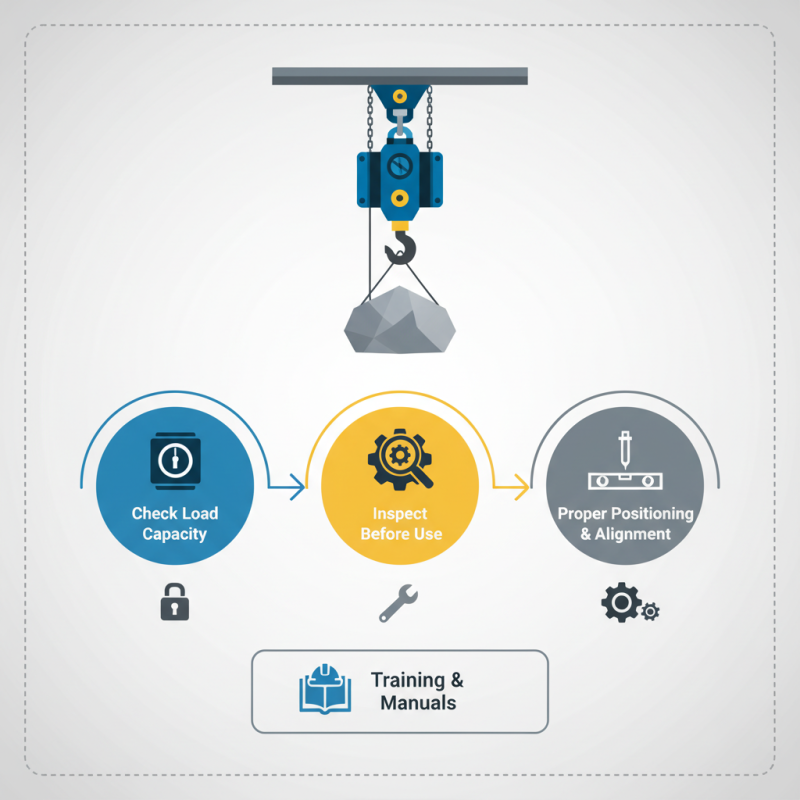
Using a Manual Chain Hoist requires attention to detail and proper technique. It is essential to ensure the hoist is rated for the weight you intend to lift. Overloading can lead to dangerous situations. Many users overlook the importance of inspecting the hoist before every use. Proper maintenance can extend your hoist's life and improve safety.
Moreover, positioning is crucial when using a Manual Chain Hoist. The hoist should be directly aligned with the load to maintain balance during lifting. This can be a common mistake that even experienced users make. Familiarizing yourself with the hoist’s operation manual can enhance your understanding and prevent accidents. Effective training and practice are key to mastering this heavy lifting tool.
Understanding the Components and Mechanism of a Manual Chain Hoist
Understanding the components and mechanism of a manual chain hoist is crucial for effective heavy lifting. A manual chain hoist consists of several key parts, including the chain, hook, gear system, and load sheave. Each component plays a vital role in lifting heavy loads safely and efficiently. The chain wraps around the load sheave, which helps in distributing weight evenly.
The gear system acts as the mechanical advantage, allowing users to lift heavier items with less effort. When you pull the manual chain, it engages the gears, raising the load without straining your muscles. It's essential to inspect these components regularly for signs of wear or damage. A frayed chain or a damaged hook can pose serious safety risks.
Using a manual chain hoist may seem straightforward, but being aware of potential pitfalls is important.
Miscalculating the weight of what you’re lifting can lead to accidents. Also, improper hook attachment might cause loads to slip. Regular practice in a safe environment can help build confidence while using this equipment. Understanding these elements can significantly improve your lifting techniques.
Safety Precautions When Using a Manual Chain Hoist
Using a manual chain hoist for heavy lifting requires strict adherence to safety protocols. First, always inspect the hoist before use. Check for signs of wear and tear, such as frayed chains or damaged hooks. A faulty hoist can lead to accidents. Ensure that the hoist is rated for the load you intend to lift. Overloading can cause failures, resulting in injury.
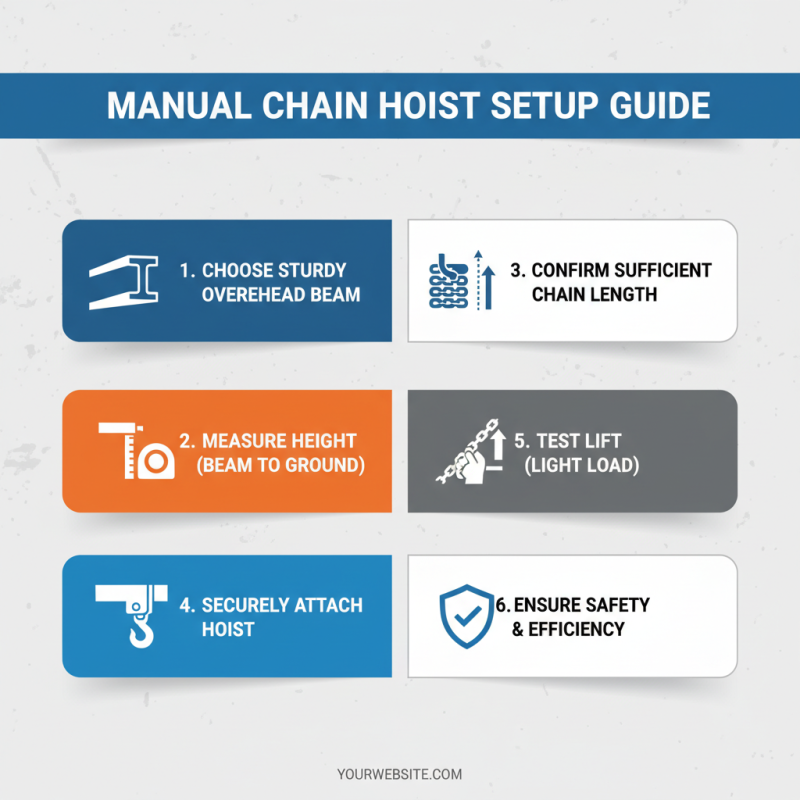
When setting up your hoist, ensure the area is clear of obstacles. This minimizes risks during lifting. Position the hoist at a proper height. A lower hoist might create tension on the chains, while too high can be difficult to control. Always work with a partner if possible; two sets of eyes can spot dangers that one might miss.
Tips: Use gloves to maintain a secure grip on the chain. This prevents slips during operation. Practice beforehand with lighter loads to get a feel for the hoist’s operation. Regular training can build familiarity and confidence. Reflect on past experiences to improve safety measures. Review incidents to learn and adapt better practices.
Techniques for Efficient Lifting with a Manual Chain Hoist
Using a manual chain hoist effectively requires understanding both the tool and the proper techniques. Safety is paramount. Always inspect the hoist before lifting. Check for wear and tear, and ensure that the chains are not damaged. Even small defects can lead to significant accidents. Wear protective gear, especially gloves and helmet, during operations.
Understand the weight you are lifting. Knowing this will help set the hoist correctly. Proper positioning is crucial. Make sure the hoist is aligned with the load to prevent slippage. If the load is too heavy, consider using a block and tackle for added mechanical advantage. Proper lifting techniques can save you from injuries and increase efficiency.
Practice with lighter weights initially. This builds confidence and helps you understand the hoist's mechanics. After getting comfortable, gradually increase the load. Sometimes, it might be easy to underestimate the effort needed for heavier lifts. Reflect on your technique after each lifting session. Small adjustments can lead to safer and more effective results. Learning from each experience is essential in mastering the use of manual chain hoists.
Weight Capacity of Manual Chain Hoists vs. Usage Frequency
Maintenance Tips to Ensure Longevity of Your Manual Chain Hoist
Manual chain hoists are vital tools for heavy lifting tasks. However, ensuring their longevity requires diligent maintenance. Regular inspections can prevent sudden failures. According to industry studies, around 60% of hoist failures are due to inadequate maintenance. This statistic highlights the importance of routine checks.
Inspect the chain for wear and tear. Look for kinks or rust that could affect performance. Lubricate the chain regularly but avoid over-lubrication. It can attract dust and dirt, causing more damage. Remember to examine the hooks and safety latches too. Any signs of deformation could result in serious accidents.
Proper storage also plays a key role in maintenance. Keep the hoist in a dry, clean area. Moisture can lead to corrosion. Avoid exposing the hoist to extreme temperatures. Extreme heat or cold can affect its functionality. Utilize a protective case if necessary.
Incorporating these tips into your routine can extend the life of your manual chain hoist. Yet, many overlook these important steps. Maintain a checklist for inspections. This will enhance reliability and ensure safe lifting practices.