Inquiry
Form loading...

10 Essential Tips for Choosing an Industrial Hydraulic Lift?

Choosing the right Industrial Hydraulic Lift for your operations is crucial for efficiency. In 2022, the global hydraulic lift market reached $4.87 billion, showcasing its importance in various industries. The growth rate is projected to be around 5.4% annually, indicating increasing reliance on these systems.

Understanding how to select the right lift can save businesses time and resources. A reliable lift enhances productivity and safety in the workplace. However, many companies still overlook critical factors in their selection process. For instance, not assessing the weight capacity or the lift height required can lead to operational inefficiencies.

The complexities in choosing an Industrial Hydraulic Lift often prompt buyers to prioritize cost over functionality. This approach can lead to regrets down the line. Furthermore, inadequate training on lift operation contributes to accidents. A systematic evaluation of your needs is essential. Engaging with experienced suppliers can yield insights that improve decision-making and avoid costly mistakes.
10 Essential Tips for Choosing an Industrial Hydraulic Lift?

Understanding the Purpose and Applications of Hydraulic Lifts

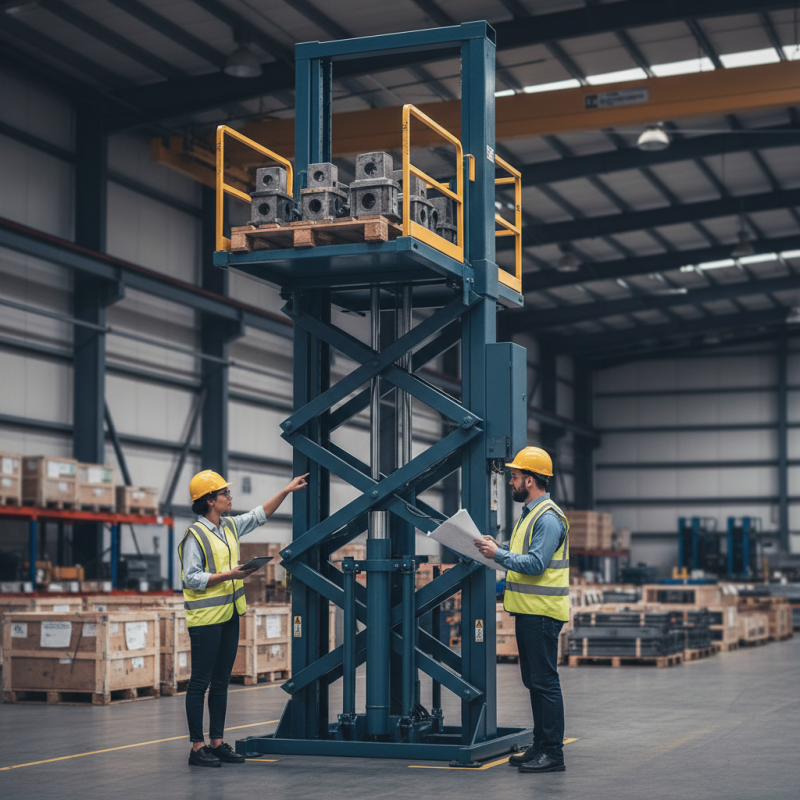
Hydraulic lifts are essential in various industries. They provide efficient solutions for vertical transportation of goods and personnel. Understanding their purpose helps in choosing the right lift for your needs. For warehouses, hydraulic lifts facilitate heavy lifting, enhancing productivity. In manufacturing, they aid in moving components between levels. They can also handle loads in automotive repair shops and construction sites.

When selecting a lift, consider the weight capacity and lifting height. Each application demands different specifications. The environment also plays a role. For example, outdoor lifts must withstand weather conditions. If the equipment is for indoor use, noise levels might be a concern. Safety features, such as overload protection and emergency stops, are critical. They ensure users and products remain unharmed during operation.

However, determining the right lift can be challenging. Overestimating lift capacity can lead to safety hazards. Conversely, underestimating it can hinder operations. Regular maintenance is crucial to avoid costly repairs. Training staff on safe usage is often overlooked but vital. Take time to evaluate your needs and consult experts. The right hydraulic lift can significantly impact efficiency and safety in your operations.
Capacity Versus Weight Handling of Industrial Hydraulic Lifts

This bar chart illustrates the comparison between the maximum capacity and weight handling capabilities of various industrial hydraulic lifts. As the capacity increases, the weight handling generally improves, showcasing the effectiveness of selecting the right lift for your industrial needs.

Key Factors to Consider: Load Capacity and Weight Specifications

Choosing the right industrial hydraulic lift requires careful consideration. Load capacity and weight specifications are critical factors. Most hydraulic lifts can safely handle specific weight limits, which are often listed in pounds or tons. Failing to respect these limits can lead to dangerous situations. According to a report by the American Society of Mechanical Engineers, improper load management contributes to 25% of industrial accidents.

When assessing load capacity, look for lifts that exceed your maximum expected weight. This provides a safety buffer. For example, if your heaviest load is 2,000 pounds, choose a lift rated for at least 2,500 pounds. Additionally, always consider the weight of the lift itself. The combined weight of the load and the lift must not exceed the facility's structural capacities.

Reliability is essential when selecting a hydraulic lift. Regular maintenance and inspections keep operations running smoothly. Study industry reports, as they detail failure rates and common issues. Invest time in research. Knowing what to prioritize can save your operation time and prevent costly downtime. Don’t underestimate the importance of expert advice; professionals can provide insights that prevent poor choices.

Assessing the Safety Features of Industrial Hydraulic Lifts

When selecting an industrial hydraulic lift, assessing safety features is crucial. Safety should never be compromised in a work environment. Look for lifts that have reliable emergency stop buttons. This feature allows immediate halting of operations in case of danger. Check if the lift has overload protection. Lifts should prevent lifting beyond their specified weight limit. This helps avoid accidents that may occur from overloading.

The presence of safety interlocks is another vital feature. These ensure the platform is securely locked when in use. Regular inspections and maintenance checks should also be part of your safety assessment. Outdated or poorly maintained lifts can pose serious risks. Consider training for staff on proper operating procedures. Investment in safety training creates a culture of vigilance and preparedness.

While most hydraulic lifts offer basic safeguards, not all may meet high safety standards. Researching industry regulations can provide insight into the necessary safety protocols. In some instances, reviews from other users can reveal hidden flaws. Prioritize safety in your evaluation process to ensure a secure work environment. Diligence in assessing these factors not only protects workers but also enhances operational efficiency.

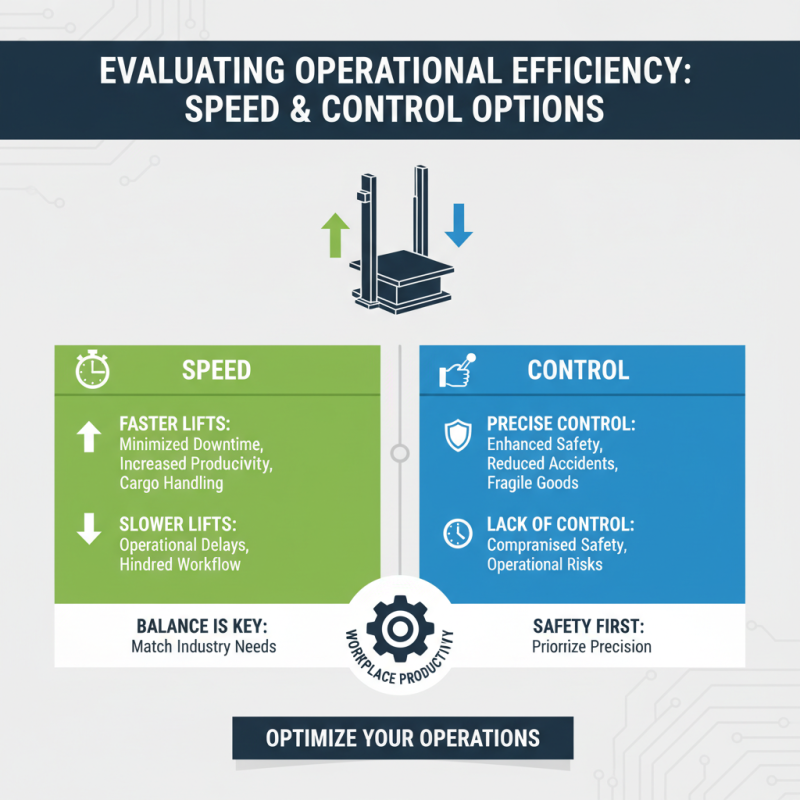
Evaluating Operational Efficiency: Speed and Control Options

10 Essential Tips for Choosing an Industrial Hydraulic Lift?

When selecting an industrial hydraulic lift, evaluating operational efficiency is crucial. Speed and control options significantly influence workplace productivity. Fast lifts minimize downtime during cargo handling. Conversely, slower lifts may lead to delays in operations. Consider the lift's lifting speed in relation to your industry's needs. A balance is necessary; too fast can compromise safety, while too slow can hinder workflow.

Control options are equally important. A lift with precise control capabilities allows for better handling of delicate loads. This is vital in sectors like manufacturing or assembly, where precision is key. Look for lifts that offer adjustable speed settings. This feature provides flexibility when dealing with various load types. However, reliance on advanced controls can be challenging. Operators must be adequately trained to avoid mishaps.

Reflecting on these factors can reveal gaps in your lift selection process. Are you prioritizing speed over safety? Is your team equipped to manage advanced control features? These questions can help refine your approach, ensuring you choose the right lift that meets both your operational needs and safety standards. Ultimately, operational efficiency hinges on careful consideration of speed and control.

Maintenance and Support: Ensuring Longevity and Performance

Maintenance is critical for industrial hydraulic lifts. Regular inspections can reveal potential issues early. According to a recent industry report, 70% of lift failures stem from inadequate maintenance. This statistic emphasizes the need for a robust maintenance schedule. Operators should prioritize checking hydraulic fluid levels regularly. Contaminated fluid can lead to severe operational problems.

Moreover, investing in training for staff can enhance lift longevity. Knowledgeable personnel can perform basic maintenance tasks efficiently. A survey indicated that companies with trained staff experience 30% fewer unexpected breakdowns. Creating a culture of safety and maintenance awareness is essential. Simple preventive measures, such as cleaning filters, can extend a hydraulic lift's lifespan significantly.

Monitoring performance metrics is equally vital. Tracking operating hours and load capacities helps in identifying wear and tear. A diligent logbook can lead to informed maintenance decisions. Despite these measures, companies sometimes overlook these practices. It's crucial to reflect on why regular upkeep is neglected. Addressing these barriers can enhance equipment reliability and productivity.

10 Essential Tips for Choosing an Industrial Hydraulic Lift

Tip Description Maintenance Considerations Performance Factors
1. Determine Load Capacity Assess the maximum weight you need to lift. Regularly check capacity limits. Ensure lift operations within limits to prevent failure.
2. Evaluate Hydraulic System Type Choose between single or double-acting systems. Inspect hydraulic fluid levels regularly. Efficiency in operation affects overall performance.
3. Consider Safety Features Look for emergency stop buttons and safety locks. Conduct safety drills and checks regularly. Safety features enhance reliable operational performance.
4. Analyze Operating Environment Consider indoor vs. outdoor use and environmental conditions. Ensure the lift is suitable for environmental conditions. Adaptability to environment influences performance.
5. Check Space Requirements Measure space for lift operation and maintenance. Ensure sufficient space for servicing and operation. Space constraints can limit performance capabilities.
6. Review Power Source Decide between electric, diesel, or hydraulic power. Regularly check power connections and backups. Power reliability impacts overall lift performance.
7. Assess Build Quality Choose lifts made with durable materials. Conduct visual inspections for wear and tear. High build quality ensures consistent performance.
8. Inspect Controls and User Interface Ensure controls are intuitive and easy to use. Regularly test controls for responsiveness. User-friendly interfaces improve operational efficiency.
9. Research Manufacturer Reputation Check reviews and ratings from previous users. Consider feedback for long-term support quality. Reputation influences trust in performance reliability.
10. Evaluate Service and Support Options Ensure accessible and reliable after-sales service. Plan for regular maintenance schedules. Quality support enhances lift performance longevity.