What is a Forklift Hydraulic Scale and How Does it Work for Weighing Cargo
In the logistics and warehousing industry, the efficiency of material handling processes plays a crucial role in optimizing operations and reducing costs. One innovative solution that has gained traction is the Forklift Hydraulic Scale. This device provides a reliable method of weighing cargo directly at the point of lift, offering both convenience and precision. According to a report by the Material Handling Industry of America, the integration of advanced weighing technologies within forklifts can enhance productivity by up to 25%, significantly improving the accuracy of load management.
The functionality of a Forklift Hydraulic Scale revolves around its ability to measure weight using hydraulic pressure during the lifting process. This technology not only minimizes the need for separate weighing stations but also streamlines workflow, ensuring that shipments are within legal weight limits and reducing the risk of overloads. A study from the Occupational Safety and Health Administration highlights that implementing such scales can lead to increased safety measures, mitigating workplace accidents related to improper load handling.
As businesses seek to enhance their operational efficiency, the Forklift Hydraulic Scale represents a transformative approach to cargo management. By providing real-time weight data, companies can make informed decisions, optimize storage space, and improve overall supply chain logistics, ultimately leading to significant cost savings and improved service delivery.
What is a Forklift Hydraulic Scale and Its Purpose in Material Handling
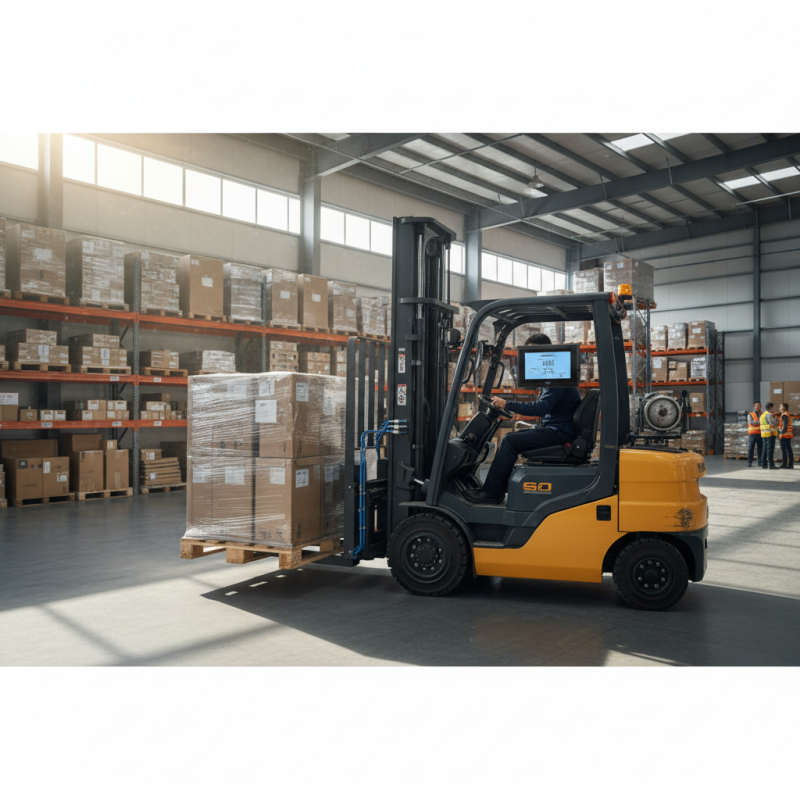
A forklift hydraulic scale is an essential tool in material handling that streamlines the process of weighing cargo. This device integrates directly with a forklift’s hydraulic system, allowing operators to weigh goods while transporting them. The primary purpose of a forklift hydraulic scale is to provide accurate weight measurements without the need to move items multiple times, which enhances efficiency and reduces the risk of damage to goods. By facilitating real-time weighing, it helps companies ensure compliance with weight regulations, optimize loads, and minimize transportation costs.
Tips for using a forklift hydraulic scale effectively include always calibrating the scale before use to ensure accuracy. Regular maintenance checks are vital to keep the hydraulic system functioning properly, as any leaks or malfunctions can lead to erroneous readings. Additionally, training operators on how to use the scale effectively will lead to better weight management and more efficient loading practices, which are critical in busy warehouses and distribution centers.
Another important consideration is to ensure that the weight limits of both the forklift and hydraulic scale are not exceeded. Overloading can not only damage the equipment but also pose safety risks to operators and others in the work environment. By adhering to these guidelines, businesses can maximize the benefits of forklift hydraulic scales in their operations.
Key Components of a Forklift Hydraulic Scale and Their Functions
A forklift hydraulic scale is an essential tool in modern material handling, designed to accurately weigh cargo while lifting it. Understanding its key components is crucial for effective operation. The primary components of a hydraulic scale include the hydraulic pump, load cells, control display, and weighing platform. The hydraulic pump provides the necessary power to lift heavy loads, while load cells are strategically placed within the system to measure weight accurately. These load cells convert the weight of the cargo into electrical signals, which are then relayed to the control display for easy reading.
The weighing platform serves as the foundation where cargo is placed, ensuring stability during the weighing process. According to industry reports, incorporating hydraulic scales into forklift operations can lead to a 20% increase in efficiency by minimizing the time taken to weigh cargo manually. Additionally, proper calibration and maintenance of these components can significantly enhance accuracy, reducing the risk of overloading and associated hazards.
Tips: Regularly inspect the hydraulic system for leaks and ensure load cells are calibrated correctly. Implementing a routine maintenance schedule can help in identifying potential issues early, thus prolonging the lifespan of your forklift hydraulic scale. Always train staff on the correct loading techniques to optimize weight readings and improve safety in the workplace.
How Forklift Hydraulic Scales Work: Mechanism of Weighing Cargo
Forklift hydraulic scales are essential tools in industrial settings for accurately weighing cargo without the need for external equipment. The mechanism behind these scales primarily utilizes the hydraulic principles of pressure and force. When a load is placed on the forks of the forklift, the weight is transferred to a hydraulic cylinder, which converts the load's weight into pressure. This pressure is then measured and translated into a weight reading displayed on a digital screen, allowing operators to monitor loads efficiently while moving goods.
According to a report by the Material Handling Industry of America, the integration of weighing systems in forklifts can enhance operational efficiency by reducing the time and labor associated with loading and unloading. Over 60% of businesses in the logistics industry have reported improvements in their inventory accuracy since adopting forklift hydraulic scales. Furthermore, the precision of weighing cargo directly correlates with minimizing overloading risks and optimizing freight costs, contributing to safer work environments and improved financial performance. Implementing such technology is a step towards creating a more streamlined and efficient supply chain.
What is a Forklift Hydraulic Scale and How Does it Work for Weighing Cargo
| Feature |
Description |
| Weighing Capacity |
Up to 10,000 lbs (4,536 kg) |
| Accuracy |
±0.1% of the total weight |
| Power Source |
Rechargeable battery or hydraulic power |
| Operating Temperature |
-10°C to 50°C (14°F to 122°F) |
| Display Type |
Digital LCD display |
| Compatibility |
Most standard forklifts |
| Installation |
Easy installation with minimal tools required |
| Application |
Warehousing, shipping, and logistics |
Industry Standards and Accuracy of Forklift Hydraulic Scales in Use
Forklift hydraulic scales are vital tools in the warehousing and logistics sectors, specifically designed to enhance the efficiency of weighing cargo. Their importance is underscored by industry standards that dictate the accuracy required in various operational environments. These standards ensure that the scales provide reliable measurements, which are essential for inventory management, billing, and compliance with safety regulations. The implementation of these scales can significantly reduce the margin of error in weight calculations, which is critical in preventing overloading and ensuring the safety of lifting operations.
Accuracy in hydraulic scales is typically defined by their ability to provide weight readings that closely match the actual weight of the load being lifted. This is typically achieved through robust engineering and calibration processes that meet industry benchmarks. Frequent calibration and maintenance are necessary to uphold these accuracy standards. Only through routine checks can companies guarantee that their scales function optimally throughout their operational lifespan. Adhering to these practices not only complies with regulations but also enhances operational efficiency and minimizes the risk of costly mistakes associated with incorrect weight measurements.
Benefits of Using Hydraulic Scales Over Traditional Weighing Methods
Hydraulic scales integrated into forklifts offer significant advantages over traditional weighing methods, particularly in terms of efficiency and accuracy. These scales measure the weight of cargo directly as it is lifted, eliminating the need for separate weighing stations. This streamlining of the process not only saves time but also reduces the risk of errors associated with offloading and reloading items for weighing. With a hydraulic scale, operators are able to get immediate weight data, allowing for better decision-making right on the floor.
One key benefit of using hydraulic scales is improved safety. Since these scales are built into the forklift, there’s less chance of accidents that can occur while transferring goods between different locations for weighing. Additionally, hydraulic scales require minimal manual input, reducing the physical strain on workers. This leads to a more ergonomic workflow, preventing potential injuries associated with heavy lifting or repetitive motions.
Tips for maximizing the effectiveness of hydraulic scales include ensuring regular maintenance checks to keep the hydraulic system in optimal condition, and training operators thoroughly on how to interpret the weight readings accurately. Furthermore, operators should keep the scales calibrated to ensure precision, especially when weighing items that are near the scale's maximum capacity. By following these tips, businesses can enhance their operational efficiency while ensuring safety remains a top priority.