Top 10 Manual Chain Blocks for Effortless Lifting and Hoisting Solutions
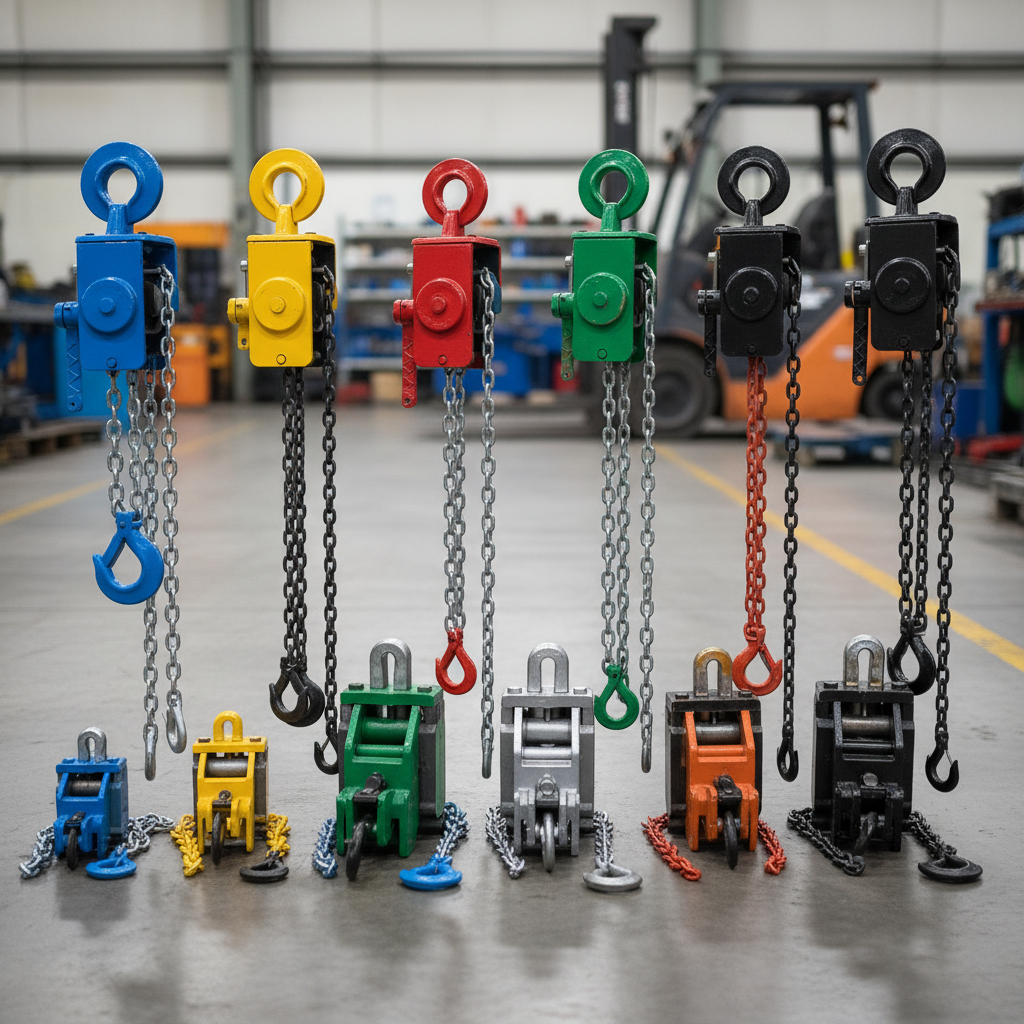
When it comes to lifting heavy loads with ease and precision, Manual Chain Blocks stand out as one of the most reliable and efficient solutions available. Designed for both industrial and personal use, these mechanical devices provide a simple yet effective way to hoist items without the need for complex power sources.
In this guide, we will explore the top 10 manual chain blocks that promise effortless lifting while ensuring safety and durability in every application.
Our selection of manual chain blocks features a variety of designs and specifications, catering to different lifting needs and preferences. From lightweight options suitable for home use to robust units designed for heavy-duty tasks, this roundup highlights the best choices on the market.
Each manual chain block is evaluated based on critical factors such as load capacity, build quality, ease of use, and customer feedback, ensuring that you find the perfect tool for your lifting requirements.
As we delve into these top contenders, you will see how investing in the right manual chain block can transform your lifting experience, making it not only easier but also more efficient.
Essential Features to Look for in Manual Chain Blocks

When selecting a manual chain block, there are several essential features that one should consider to ensure optimal performance and safety.
First and foremost, the lifting capacity is crucial; it should match or exceed the weight of the loads you plan to lift.
Most chain blocks are available in various capacities, typically ranging from half a ton to several tons. Additionally, the height of lift is another important factor.
Ensure that the manual chain block can accommodate your specific lifting needs, taking into account the maximum distance you need to raise the load.
The construction quality of the manual chain block also significantly impacts its durability and reliability.
Look for models made from high-grade materials that can withstand wear and tear, especially in industrial settings. Moreover, features such as built-in safety mechanisms, like
overload protection and automatic braking systems, add an extra layer of security during operations.
A user-friendly design, including ergonomic hand chains, can enhance ease of use, allowing operators to lift and lower loads effortlessly, even in challenging conditions.
These features collectively contribute to the overall efficiency and safety of lifting operations with manual chain blocks.
Comparative Review of the Top 10 Manual Chain Blocks
When comparing manual chain blocks, several key factors determine their effectiveness and user-friendliness. In our review of the top 10 models, we assessed aspects such as load capacity, lifting speed, and ease of operation. Each block delivers unique features tailored to different industrial needs, from lightweight models suitable for home use to heavy-duty options ideal for construction sites. The use of high-quality materials has been a common theme across the top choices, contributing to durability and reliability during heavy lifts.
Additionally, ergonomic design plays a crucial role in user experience. The best manual chain blocks provide smooth operation with minimal effort, reducing fatigue for operators during repetitive tasks. Features like automatic braking systems and ergonomic hand grips enhance safety and control. By evaluating these aspects, we present a comprehensive guide that helps users select the right manual chain block for efficient lifting and hoisting solutions, ensuring they choose a product that perfectly meets their specific requirements.
Top 10 Manual Chain Blocks - Lifting Capacity Comparison
Advantages of Using Manual Chain Blocks Over Electric Hoists
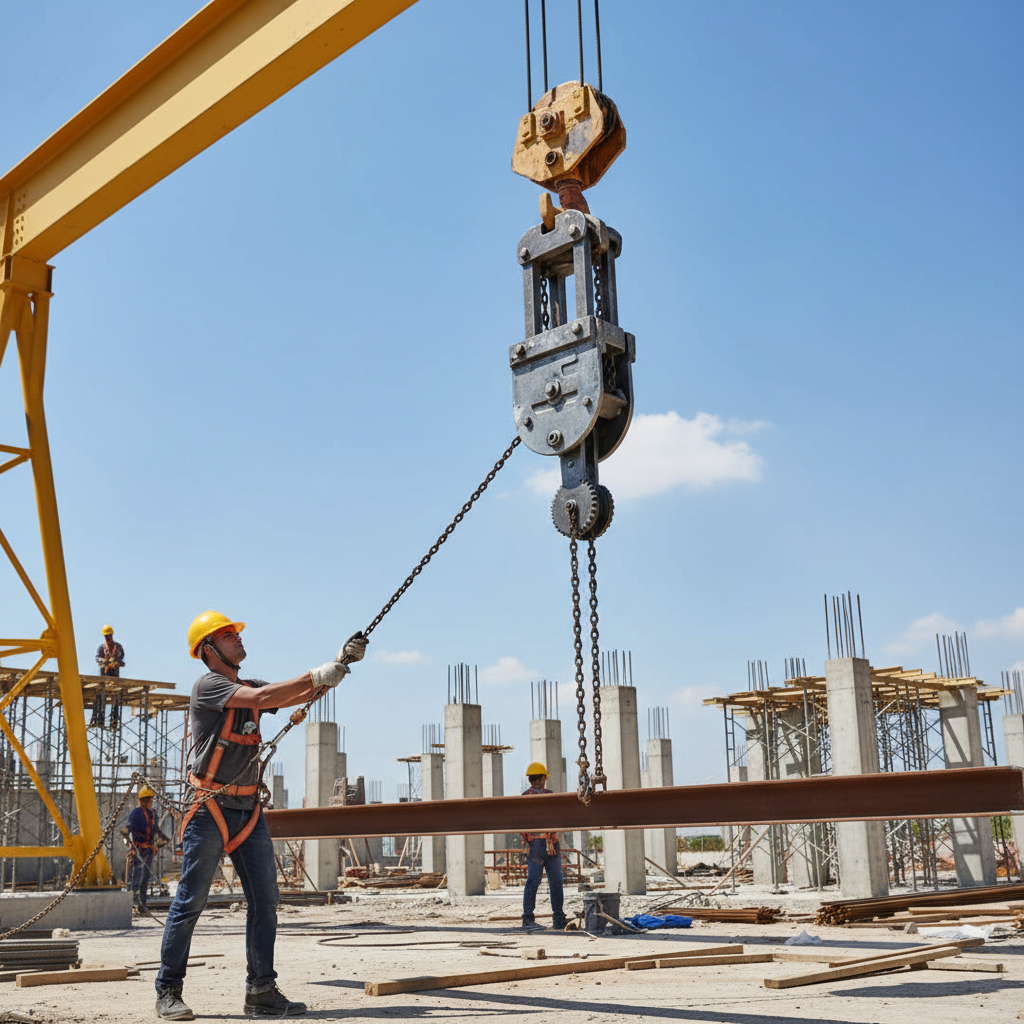
Manual chain blocks are an increasingly popular choice in various industries, offering several advantages over electric hoists. According to a report by the Material Handling Industry of America, manual hoists are simpler and often more cost-effective than their electric counterparts, with initial costs averaging 30-50% lower. This affordability makes them an attractive option for small businesses and construction sites where budget constraints are often a concern.
Moreover, manual chain blocks provide enhanced control and precision during lifting operations. Unlike electric hoists, which can create sudden jerks and drops, manual chain blocks allow operators to adjust lifting speeds based on the load. A study published in the Journal of Safety Research highlighted that using manual hoists resulted in a 20% reduction in workplace accidents associated with load handling. This reliability and safety make manual chain blocks invaluable in environments where careful handling of heavy materials is crucial.
User Experiences: Real-World Applications of Chain Blocks
When it comes to lifting and hoisting solutions,
manual chain blocks
have gained immense popularity in various industries. Users from construction sites to warehouses
have shared their experiences, highlighting the practicality and efficiency of these tools in real-world applications.
For instance, many construction workers appreciate how easily a manual chain block
transforms heavy lifting into a manageable task. Their ability to provide
precise control over the load makes them indispensable
for safely lifting materials in tight spaces or overhead.
Tips for using manual chain blocks effectively include ensuring the chain is properly lubricated
to minimize wear and improve performance. Additionally, it's vital to assess the load capacity
before operation, ensuring the block can handle the weight without risking failure. Users
emphasize the importance of regular maintenance checks;
this not only prolongs the life of the equipment but also enhances safety during use.
Feedback from warehouse operatives reveals that manual chain blocks can significantly improve
workflow efficiency. Users often cite the quick setup and ease of use as major benefits,
allowing them to focus more on their tasks rather than struggle with heavy lifting. A well-chosen
manual chain block can enhance productivity and ensure that
lifting operations are conducted smoothly and safely.
Maintenance Tips for Prolonging the Life of Your Manual Chain Block
Maintaining your manual chain block is essential to ensure its longevity and optimal performance. Regular inspection is the first step in maintenance. Each component, including the chain, hook, and housing, should be checked for any signs of wear or damage. Pay special attention to the chain for signs of kinking or rust, as these defects can compromise the safety and efficiency of the block. Additionally, ensure that the hoist operates smoothly and without unusual noises, as these could indicate underlying issues that require immediate attention.
Lubrication is another critical aspect of maintenance. Applying a suitable lubricant to moving parts, such as the chain and gears, helps reduce friction and wear. It's advisable to wipe off any dirt and debris before lubrication to prevent contaminants from causing further damage. Moreover, store the manual chain block in a clean, dry environment to protect it from elements that can lead to corrosion or deterioration. Following these simple maintenance tips will significantly enhance the lifespan of your manual chain block, ensuring that it remains a reliable tool for all your lifting and hoisting needs.