Inquiry
Form loading...

How to Safely Operate a Scaffold Lift: Tips and Best Practices

Operating a Scaffold Lift requires not only skill but also a commitment to safety. According to industry expert John Miller, a renowned safety consultant with over two decades of experience in construction safety, “The proper use of a Scaffold Lift can drastically reduce the risks associated with working at heights.” This underscores the importance of adhering to best practices when utilizing this essential equipment.

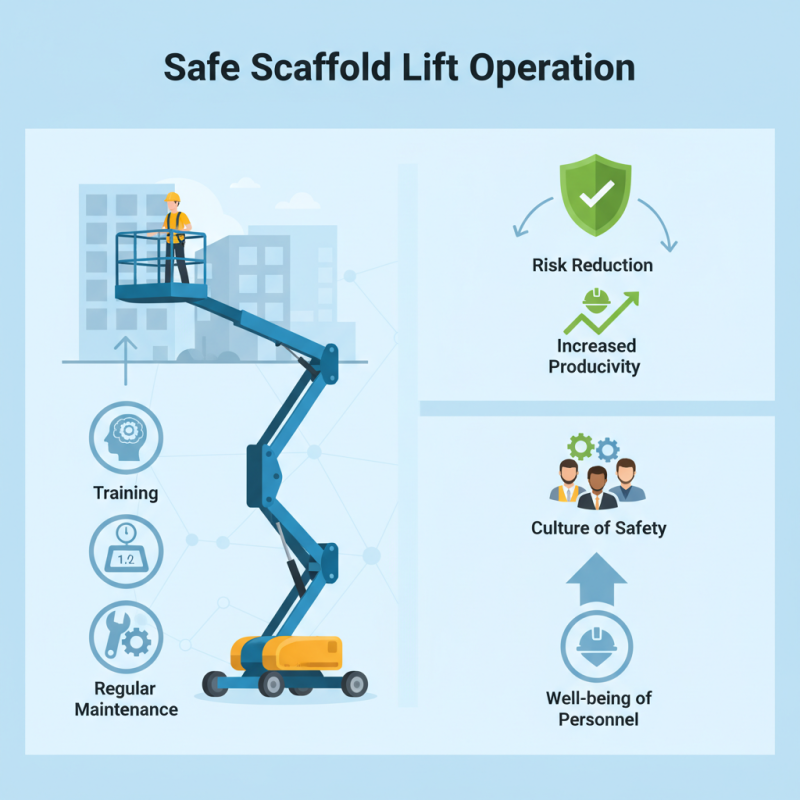
As construction projects become more complex and demanding, the effectiveness of Scaffold Lifts in enhancing productivity is undeniable. However, safety must remain the top priority for operators and workers alike. Implementing proper training, understanding weight limits, and ensuring regular maintenance are just a few of the critical measures that can prevent accidents and injuries on the job site.

By focusing on these strategies and promoting a culture of safety, we can ensure that Scaffold Lifts are operated efficiently and responsibly, safeguarding the well-being of all personnel involved. This article will delve into essential tips and best practices for safely operating a Scaffold Lift, enabling operators to maximize functionality while minimizing risks.
How to Safely Operate a Scaffold Lift: Tips and Best Practices

Understanding Scaffold Lift Types and Specifications

How to Safely Operate a Scaffold Lift: Tips and Best Practices

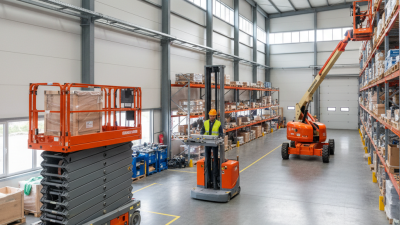
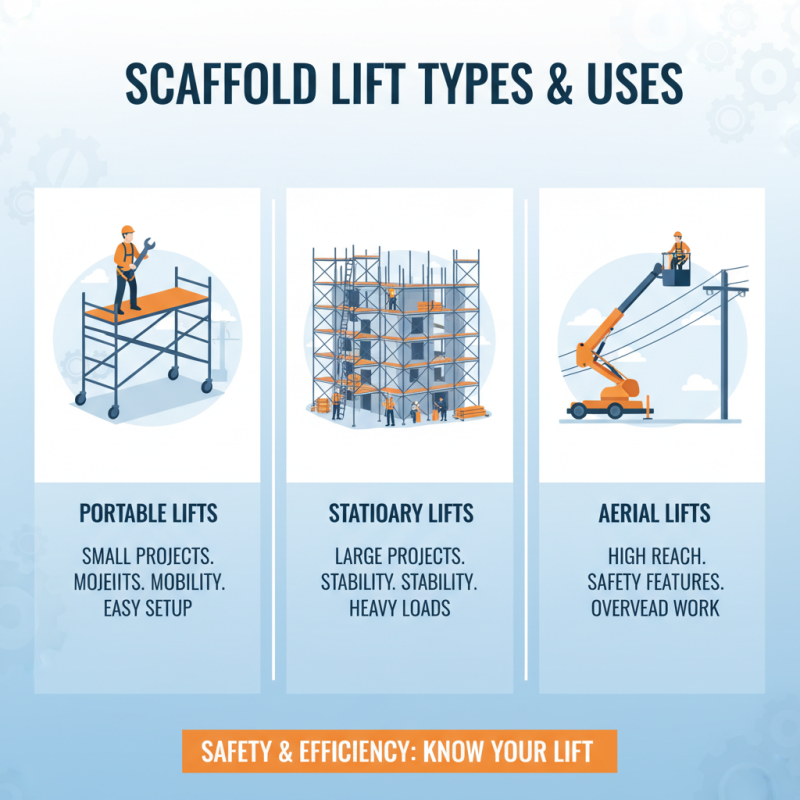
When operating a scaffold lift, understanding the different types and specifications is crucial for ensuring safety and efficiency on the job site. Scaffold lifts come in various designs, including portable, stationary, and aerial lifts, each tailored for specific tasks and environments. For instance, portable scaffold lifts are ideal for smaller projects that require mobility, while stationary lifts provide more stability for larger construction tasks. Aerial lifts, typically used for reaching high places, come equipped with additional safety features and controls that make them suitable for overhead work.

Each scaffold lift type also has specific load capacities and height limits, which are essential to consider before operation. Operators must inspect the specifications provided by the manufacturer, including the maximum safe working load, platform height, and base dimensions. Understanding these specifications helps to prevent overloading and ensures proper use within the specified limits, which is vital for maintaining both personal safety and mechanical integrity. Furthermore, being aware of the environmental factors, such as wind speed and ground conditions, can influence the selection of the appropriate scaffold lift for any given job, facilitating a safer work environment.

Important Safety Standards and Regulations for Scaffold Lifts

When operating a scaffold lift, adhering to safety standards and regulations is crucial to ensure the well-being of workers and the integrity of construction projects. According to the Occupational Safety and Health Administration (OSHA), compliance with scaffold safety regulations can significantly reduce the risk of accidents, which statistics reveal account for approximately 65% of falls in the construction industry. It is essential for operators to understand the specific safety requirements outlined in OSHA’s 1926.451 standard, which emphasizes the importance of proper assembly, inspection, and maintenance of scaffold lifts before use.

In addition to OSHA guidelines, best practices for scaffold lift operation include ensuring that all personnel are trained and familiar with safety protocols. A report by the National Safety Council indicates that properly trained workers are 47% less likely to be involved in accidents. Furthermore, scaffold lifts must be regularly inspected by qualified personnel to identify any issues that could compromise safety. Following standards set forth by organizations like ANSI (American National Standards Institute) helps in maintaining high safety levels. Implementing these safety standards not only ensures compliance but also fosters a safety culture that can lead to increased productivity and reduced liability on job sites.

Essential Pre-Operational Checks and Maintenance Procedures

Before operating a scaffold lift, it's crucial to conduct essential pre-operational checks to ensure safety and efficiency. Begin by inspecting the lift for any visible damage, including the frame, platform, and wheels. Check that all safety features, such as guardrails and emergency stop buttons, are functioning properly. Additionally, assess the ground conditions where the lift will be used; it should be level and stable to prevent tipping or sliding during operation. Make sure that all operators are familiar with the lift's controls and safety protocols.

Maintenance procedures are equally important for the longevity and safe operation of scaffold lifts. Regularly schedule inspections to identify wear and tear on the lift components, including hydraulic systems and electrical controls. Keep the lift clean and free of debris that might obscure safety features or hinder functionality. Always refer to the manufacturer's guidelines for specific maintenance recommendations and ensure that any necessary repairs are made promptly.

Tips for safe operation include never exceeding the weight capacity of the lift, which can lead to catastrophic failures. Always engage the lift’s brakes when not in use and ensure that all workers are trained in proper usage. It’s also advisable to avoid working in high winds or adverse weather conditions, as these can compromise stability. By adhering to these practices, you can significantly reduce the risks associated with scaffold lift operation.

Scaffold Lift Safety: Pre-Operational Checks and Maintenance Procedures

Best Practices for Safe Scaffold Lift Operation and Usage

When operating a scaffold lift, adhering to best practices is essential to ensure safety and efficiency on the job site. According to the U.S. Occupational Safety and Health Administration (OSHA), falls account for nearly 33% of all construction-related fatalities, highlighting the critical need for proper scaffold operation techniques. Before beginning the lift, operators should conduct a thorough inspection of the equipment, checking for any signs of wear, damage, or malfunction. This includes verifying that all safety features, such as brakes and guards, are in working condition. Additionally, it is crucial to ensure that the ground is stable and capable of supporting the scaffold load.

Proper training also plays a vital role in scaffold lift safety. The International Safety Equipment Association (ISEA) emphasizes that workers should receive comprehensive training not only on how to operate the lift but also on recognizing hazards associated with scaffold work. This training should include understanding load capacities, as exceeding weight limits can compromise the stability of the scaffold and lead to accidents. Furthermore, safe practices like maintaining a clear work area, using personal protective equipment like harnesses, and adhering to the manufacturer's guidelines can significantly reduce the risk of incidents. By following these best practices, workers can create a safer work environment while maximizing the efficiency of scaffold lifts.

How to Safely Operate a Scaffold Lift: Tips and Best Practices

Best Practice Description Frequency Importance Level
Pre-Operational Inspection Check for any visible damage or wear before use. Every Use Critical
Use Personal Protective Equipment (PPE) Wear helmets, harnesses, and non-slip footwear. Every Use High
Follow Weight Limits Adhere to the specified weight capacity of the scaffold lift. Every Use Critical
Proper Setup Ensure the lift is on stable ground and properly leveled. Every Use High
Clear Work Area Remove any debris or obstacles around the lift. Before Use Medium
Regular Maintenance Schedule routine checks and maintenance according to manufacturer recommendations. Monthly High

Emergency Protocols and Response Plans for Scaffold Lift Incidents

When operating a scaffold lift, having clear emergency protocols is crucial for ensuring the safety of all personnel involved. In the event of an incident, workers should be trained to immediately assess the situation. This includes identifying whether anyone is injured and determining if it is safe to evacuate or if emergency services need to be contacted. Quick communication is essential; every worker should know how to relay information to both their team members and emergency responders effectively.

Response plans must include designated roles for team members during an emergency. For instance, having a designated safety officer can streamline the response process, ensuring that everyone knows their responsibilities. Regular drills and training sessions should be conducted to familiarize all personnel with these protocols.

Additionally, the emergency response plan should be easily accessible and visible on-site, enabling rapid action. By fostering a culture of preparedness through training and clear communication, scaffold lifting operations can minimize risks and enhance overall safety.