In the fast-paced world of construction, efficiency is key. Scaffold lifts play a vital role in elevating workers and materials to great heights. Understanding their proper use is essential for successful projects. Safe operation reduces accidents and boosts productivity.
Many construction teams overlook basic best practices with scaffold lifts. Ensuring stability and balance is crucial. The height of the lift must match the requirements of the job. Attention to detail can prevent falls and injuries. Each project is unique, and adapting the techniques is necessary.
Despite their importance, not all workers are adequately trained. Assessing skills and knowledge levels can lead to better outcomes. Marking areas for equipment storage helps maintain organization. Effective communication among team members enhances safety. Planning is critical; a hasty setup may lead to mistakes. Scaffold lifts are invaluable tools, but they demand respect and careful handling.
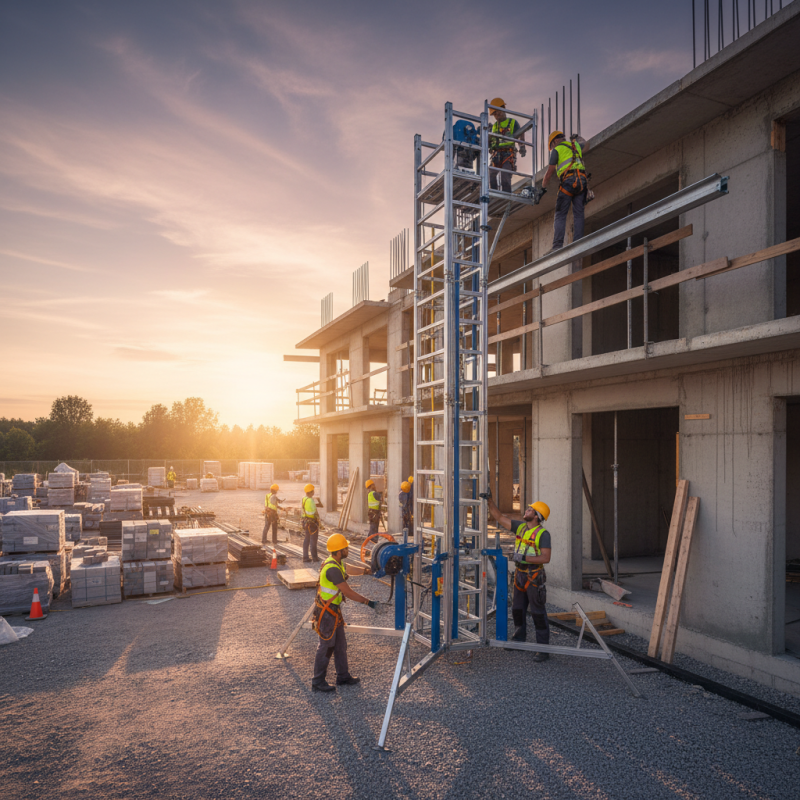
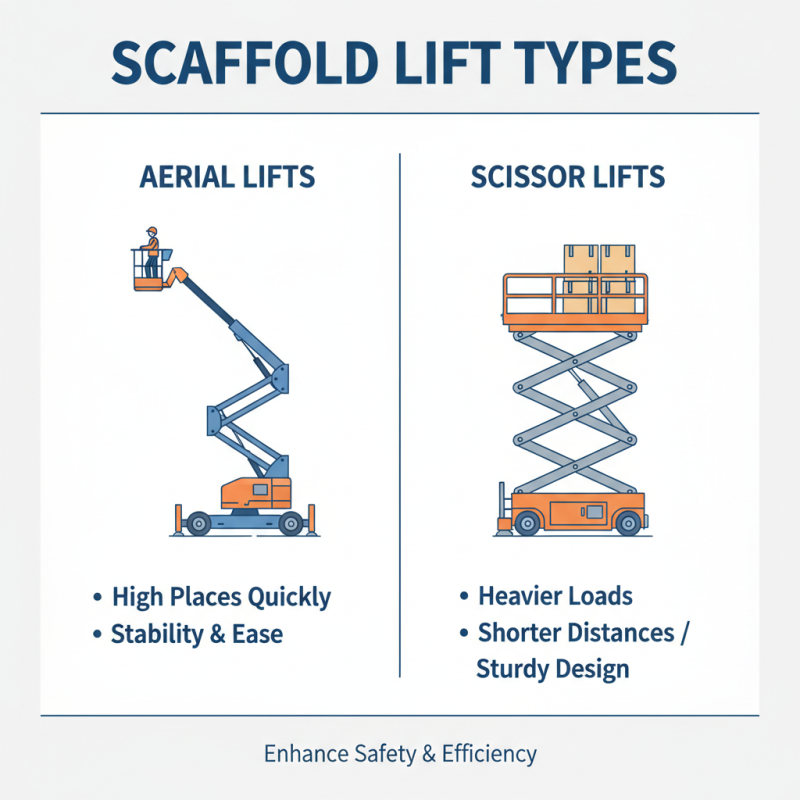
When it comes to scaffold lifts, understanding the various types is crucial for any construction project. Different projects require different lifts—knowing the right one can enhance safety and efficiency. For instance, aerial lifts are excellent for reaching high places quickly. They provide stability and ease of operation, making them a favorite for many. In contrast, scissor lifts are ideal for tasks that require lifting heavier loads over shorter distances. Their sturdy design ensures a secure work environment.
One tip is to always inspect your scaffold lift before use. Check for any wear and tear or mechanical issues. A well-maintained lift prevents accidents and delays. Training your team on proper usage can significantly reduce risks. Another important detail is to match the lift type with the task requirements. For example, a boom lift gives access to awkward spaces, while a scaffolding system can handle extensive tasks. Using the right lift type can transform your workflow.
Weather conditions also play a significant role. High winds or rain can influence lift operations. It's essential to monitor weather forecasts. An unplanned rain can lead to slippery surfaces, increasing the risk of accidents. Keeping these factors in mind allows for a safer work environment and enhances project efficiency.

Scaffold lifts are essential on construction sites. However, safety protocols are critical. According to the Occupational Safety and Health Administration (OSHA), falls account for about 33% of construction site fatalities. Proper use of scaffold lifts can minimize this risk.
Workers should receive adequate training on scaffold lift operation. Understanding how to inspect equipment before use is vital. A study from the National Institute for Occupational Safety and Health (NIOSH) found that untrained workers are three times more likely to suffer injuries. Training covers specific safety measures like securing the lift and ensuring stable ground conditions.
Using personal protective equipment (PPE) is non-negotiable. Hard hats, harnesses, and non-slip footwear should always be worn. Interestingly, a survey showed that only 40% of workers consistently use safety gear while on the lift. This statistic is alarming and highlights a need for increased awareness. Regular safety audits can help in identifying poor practices and areas for improvement. Constant reflection on safety standards is crucial in creating a safer work environment.
Setting up and operating scaffold lifts requires careful attention to detail. It is estimated that improper setup accounts for 36% of scaffold-related accidents in construction. Ensuring a stable base and correct leveling is essential. Inspecting components before use allows for early detection of wear and tear. The American National Standards Institute (ANSI) emphasizes that visual checks should occur daily.
While training workers is crucial, ongoing education is often neglected. Reports show that only 70% of workers receive adequate training on scaffold safety. Regular refresher courses can mitigate risks and improve awareness. Clear communication among team members about lift operation can prevent miscommunication and accidents. Consistent evaluation of safety practices is also important, as 15% of lift-related injuries could be avoided with better adherence to protocols.
In terms of load capacity, the Occupational Safety and Health Administration (OSHA) specifies that overload can lead to catastrophic failures. Following weight limits is not just a suggestion; it is a safety imperative. Observations indicate that many construction sites do not fully understand these limits, leading to dangerous situations. Reflecting on these practices can help improve safety and efficiency in the field.
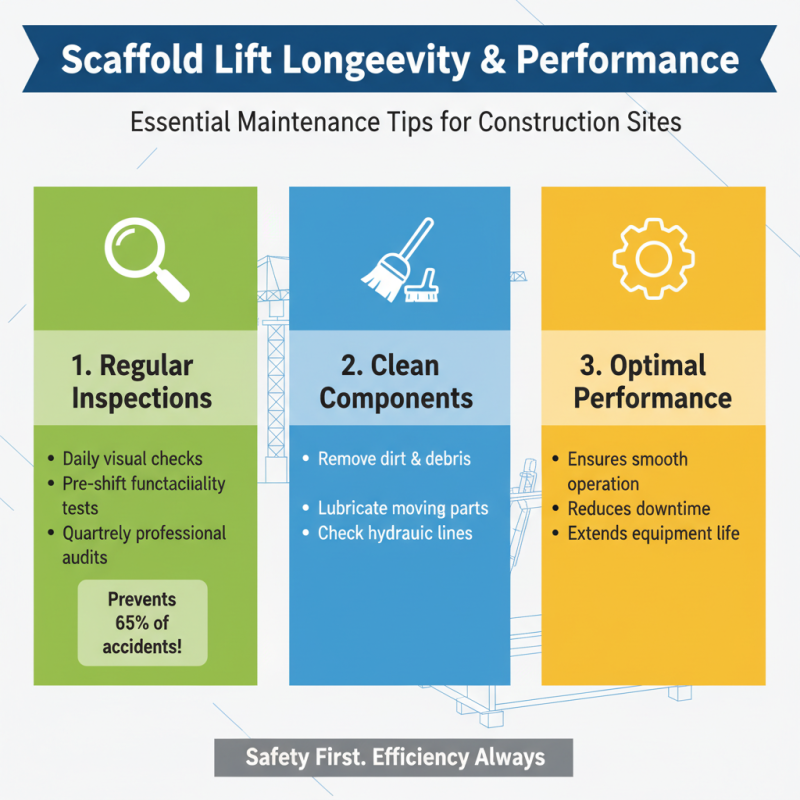
Maintaining scaffold lifts is crucial for safety and efficiency on construction sites. Regular inspections can prevent minor issues from becoming major problems. According to industry reports, approximately 65% of scaffold accidents result from improper maintenance. Keeping all components clean and free from debris ensures optimal performance.
Daily checks should include examining the lift’s hydraulic system and electrical components. A worn-out hydraulic line can cause significant safety hazards. Research indicates that 30% of scaffold-related injuries stem from equipment failures, often preventable with routine inspections. Operators should document any irregularities observed during maintenance.
Proper training for all personnel is essential in maintaining equipment. During training, educating workers about the signs of wear and tear can be invaluable. A knowledgeable team can quickly identify small issues before they escalate. However, many projects overlook this critical aspect, risking both equipment longevity and worker safety. Regular maintenance, combined with informed personnel, enhances the lift's reliability on construction sites.
Using scaffold lifts can significantly enhance productivity on construction sites, but common mistakes can lead to accidents and inefficiencies. One mistake is neglecting to inspect the scaffold lift before use. Regular checks for wear and damage are crucial. Operators should ensure all components function correctly. A quick inspection can prevent costly downtimes.
Another frequent error is overcrowding the lift. Exceeding weight limits can cause instability. Team members must communicate effectively about weight distribution. Understanding capacity can prevent unsafe situations. It’s essential to respect the manufacturer’s guidelines at all times.
Proper training is vital for anyone operating a scaffold lift. Many projects overlook this aspect. Operators should receive thorough training to recognize potential hazards. Investing in training can save time and lives as it fosters a culture of safety on-site. Avoid rushing operators, as hasty decisions usually lead to mistakes.
| Tip/Aspect | Description | Common Mistakes to Avoid |
|---|---|---|
| Proper Training | Ensure all operators are trained in safety protocols and proper use of scaffold lifts. | Neglecting operator training, leading to unsafe practices. |
| Regular Inspections | Conduct daily inspections to identify any issues before use. | Skipping inspections, resulting in using damaged or unsafe equipment. |
| Load Capacity Awareness | Be aware of the lift's load capacity and avoid exceeding it. | Overloading the lift, risking collapses or accidents. |
| Stable Grounding | Ensure the lift is on a level and stable surface. | Setting up on uneven ground, leading to instability. |
| Safety Gear Utilization | Always wear appropriate safety gear while operating the lift. | Neglecting to wear harnesses or helmets during operation. |
| Clear Communication | Maintain clear communication among crew members at all times. | Lack of communication, resulting in misunderstandings and accidents. |