Inquiry
Form loading...
Choosing an Electric Trolly Hoist is not just a matter of matching its rated capacity to a load. The trolley must also fit the runway beam, available headroom, lift height, travel speed, and power supply. A mismatch can turn a tidy installation into a costly one. Small details matter.
Safety deserves equal attention. The U.S. Bureau of Labor Statistics reported 5,283 fatal work injuries across all industries in 2023, a broad figure that does not identify hoists as a cause. It does, however, underline why lifting equipment decisions should be careful and evidence-based. OSHA’s 29 CFR 1910.179 sets inspection and operating requirements for applicable overhead and gantry crane systems; buyers should confirm which requirements apply to their specific setup. Check the manufacturer’s duty rating, brake design, controls, and maintenance guidance—not capacity alone.
These ten tips will help you compare hoists against real working conditions, from frequent short lifts to longer shifts in dusty workshops. Ask about overload protection, replacement parts, installation support, and service access before ordering. Get the details in writing. A low purchase price can look appealing, but downtime and difficult maintenance can change the calculation. And no checklist replaces a qualified site assessment. Buyers sometimes focus too heavily on lifting capacity; that is an easy mistake to make, and worth revisiting before purchase.
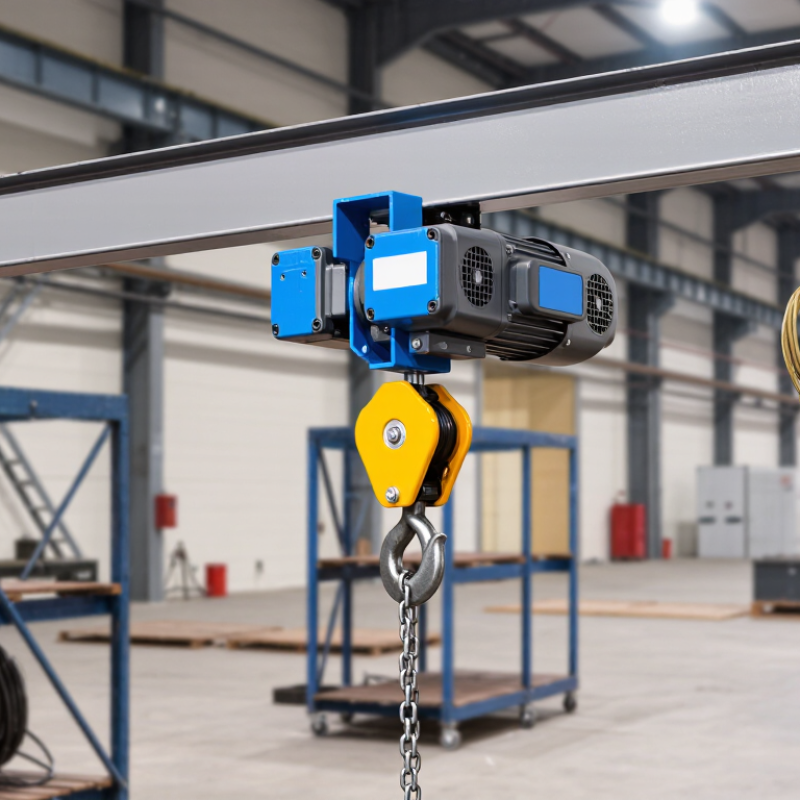
Before choosing an electric trolley hoist, write down the heaviest load, how often it moves, and its lifting height. Include the weight of lifting attachments, not just the item itself. A 500-kilogram machine may need more capacity once its lifting beam and slings are included. Measure the beam flange, available headroom, and the full travel path. Measure twice. A trolley that fits the beam may still collide with lights, pipes, or a doorway.
Describe the actual work area, too: dust, moisture, temperature swings, and nearby traffic can affect equipment selection and maintenance needs. Note whether loads move slowly and steadily or start and stop throughout a shift. Liberty Mutual’s 2024 Workplace Safety Index estimated that overexertion involving outside sources cost U.S. employers $13.7 billion in direct workers’ compensation costs, based on injury data. That figure is not specific to hoists, but it underlines why handling conditions matter. Ask a qualified supplier or engineer to check your measurements against the hoist’s rated capacity, duty rating, and trolley compatibility. I have seen buyers focus on capacity and overlook travel distance; it is an easy mistake to make. Describe the awkward corner, not just the clear aisle.
| Tip | What to Define | Why It Matters | What to Verify Before Buying |
|---|---|---|---|
| 1. Establish the required capacity | Record the heaviest load to be lifted, including any lifting attachments that will be carried by the hoist. | The hoist’s rated capacity must be suitable for the complete suspended load. Lifting above the rated capacity can create serious safety risks. | Compare the maximum total load with the hoist’s marked rated capacity. Do not treat a higher capacity as permission to exceed the rating. |
| 2. Specify lift height and hook travel | Measure the required vertical travel and note the available headroom between the support beam and the hook. | A hoist may have sufficient capacity but still fail to reach the required lifting or clearance points. | Confirm the stated lift, hook approach, overall dimensions, and headroom against the actual installation layout. |
| 3. Define how the load will move | Decide whether the load must move vertically only or travel horizontally along a beam, and identify the travel distance. | A trolley provides horizontal movement along a compatible runway or beam; hoist and trolley functions must suit the intended operation. | Check whether trolley travel is manual or powered and confirm travel speed and control arrangement for the task. |
| 4. Check beam and runway compatibility | Identify the beam type, flange width, beam dimensions, runway arrangement, and any curves or obstructions. | Trolley fit and safe load support depend on the supporting structure and the trolley’s adjustment range. | Have the beam and supporting structure assessed by a qualified person; confirm the trolley’s specified beam range and installation requirements. |
| 5. Estimate duty and operating frequency | Estimate lifts per hour, operating hours per shift, average load, and the number of work shifts. | Operating frequency and load pattern affect equipment wear and the appropriate duty classification. | Compare the expected use with the manufacturer’s duty classification and operating limits; seek engineering advice if usage is intensive. |
| 6. Assess the workplace environment | Note indoor or outdoor use, temperature range, dust, moisture, corrosive substances, and any hazardous-area classification. | Environmental conditions can affect electrical components, corrosion resistance, and the suitability of the equipment. | Confirm the stated environmental limits and protection rating. For potentially explosive atmospheres, use equipment specifically approved for that area. |
| 7. Confirm the available power supply | Record the site voltage, phase, frequency, and available electrical supply at the installation point. | The hoist must match the site supply and be installed with appropriate electrical protection. | Check the equipment nameplate and installation instructions, and arrange connection by a qualified electrical professional. |
| 8. Select suitable controls and speeds | Consider pendant or other approved controls, operator position, visibility, and whether variable or dual-speed operation is needed. | Clear, accessible controls can support accurate positioning and help operators keep a safe view of the load. | Verify control layout, emergency-stop provisions where applicable, cable or radio-control arrangements, and available operating speeds. |
| 9. Review safety features and applicable rules | Identify required operating safeguards and the local regulations and standards that apply to the installation and use. | Requirements vary by location and application; compliance involves the hoist, supporting structure, installation, inspection, and operation. | Check documentation for features such as overload protection where provided, limit devices, and emergency controls; confirm applicable requirements with a qualified professional. |
| 10. Plan inspection and maintenance access | Consider access to the hoist, chain or wire rope, hook, trolley wheels, brake, and electrical components. | Regular inspection and maintenance help identify wear or damage before continued use becomes unsafe. | Review the maintenance instructions, inspection schedule, spare-parts availability, and safe access arrangements for the installed equipment. |