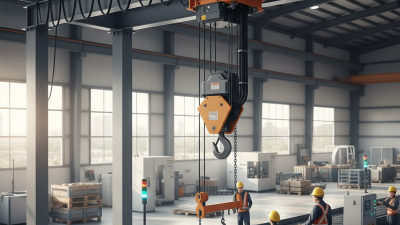
What Are the Top Types of Motorized Hoists?
Motorized Hoists help lift and position loads with powered mechanisms instead of relying on manual effort alone. Yet the term covers several designs, and there is no single type that suits every workplace. The best choice depends on the load, lift height, operating frequency, available headroom, and surrounding conditions. A hoist moving steel parts across a workshop faces different demands from one used for equipment maintenance.
This guide introduces common types, including electric chain hoists and wire rope hoists, along with specialized motorized options. Chain models are often considered for compact lifting tasks, while wire rope designs may suit heavier loads or longer lifts. Those are general patterns, not guarantees. Specifications vary by model, and actual suitability must be checked against the manufacturer’s rated capacity and operating instructions. Small details matter. Mounting position, trolley travel, control access, and duty cycle can affect both workflow and equipment selection. In dusty, damp, or temperature-sensitive areas, the operating environment deserves close attention too. The categories can overlap, which makes simple rankings misleading. A careful comparison starts with the job itself, not a product label. It also considers trained operation, routine inspection, and clear load limits. This overview explains the main differences so readers can ask more informed questions before choosing a hoist.
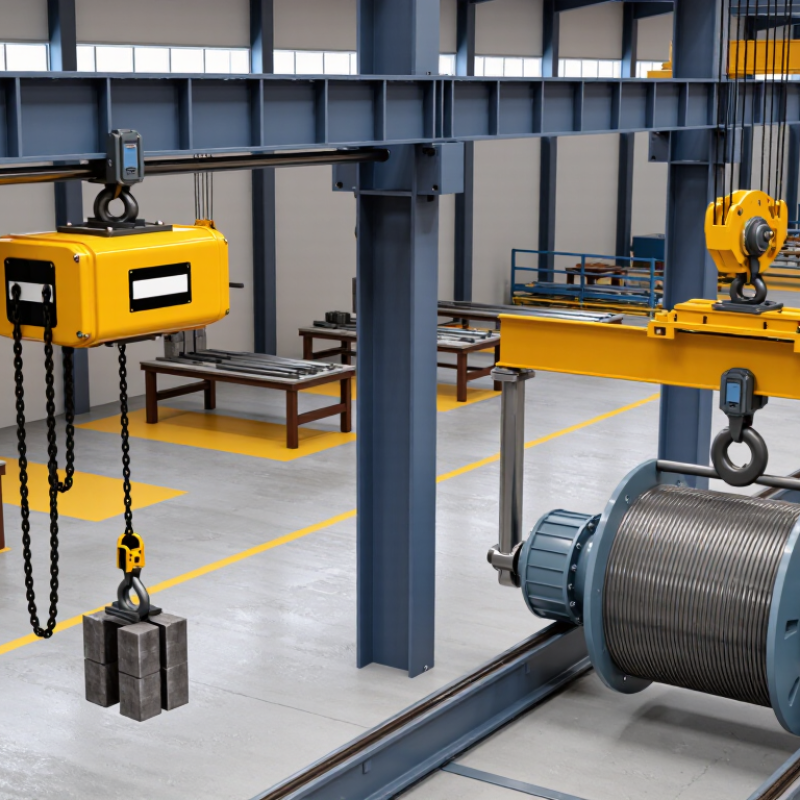
How Motorized Hoists Lift and Move Loads
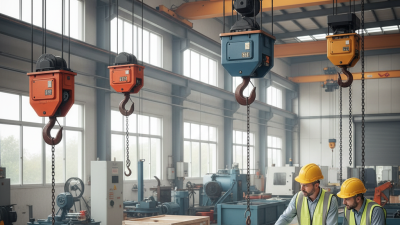
A motorized hoist converts electrical power into controlled lifting force. Its motor drives a gearbox, which pulls a load chain or winds wire rope onto a drum. A brake holds the load when power stops, while a pendant or radio control guides movement. Slow travel matters. It helps limit swinging near a doorway or machine frame.
The U.S. Department of Energy’s 2014 United States Industrial Electric Motor Systems Market Opportunities Assessment estimates that motor systems use about 68% of U.S. manufacturing electricity. This figure is not hoist-specific, but it highlights why motor selection and duty cycle deserve attention. Check rated capacity, lift height, speed, and operating schedule against the actual load. A trolley carries the hoist horizontally along a beam; a fixed hoist only raises and lowers. Let the hook settle before moving a suspended load. Small misalignment can pull a chain sideways. It happens. Brake response and limit-switch operation also need regular inspection, since a smooth lift can still hide wear.
Electric Chain Hoists for Compact, General-Purpose Lifting
Electric chain hoists suit workshops, maintenance areas, and small production spaces where lifting needs are frequent but floor space is limited. A compact motor and chain mechanism can raise loads vertically without a bulky manual setup. Operators typically use a pendant control, while a compatible trolley can move the hoist along an overhead beam. Keep the path clear. A suspended load needs room to travel without striking benches, stored materials, or nearby workers.
Capacity is only one part of choosing a hoist. Check the load’s weight, required lift height, operating frequency, and available power before selecting equipment. A hoist used for occasional repairs may not suit repeated production shifts. That detail is easy to overlook. In a practical setup, the hook should sit directly above the load before lifting; pulling at an angle can strain the chain and surrounding structure. Confirm that the beam and mounting points are rated for the intended load, too.
Before each use, inspect the chain for twists or visible damage, and check that the hook latch closes properly. Test the controls and braking response without a load, following the equipment instructions. Never lift people. Even a well-maintained hoist can be misused, and a rushed lift is harder to control. Operators need training, clear communication, and a plan for setting loads down safely. One small limitation remains: electric hoists need a suitable power supply and regular inspection, so compact size does not mean maintenance-free.
What Are the Top Types of Motorized Hoists? - Electric Chain Hoists for Compact, General-Purpose Lifting
| Hoist Type |
Lifting Medium |
Typical Strengths |
Common Applications |
Key Considerations |
| Electric Chain Hoist |
Load chain |
Compact design, straightforward operation, and suitability for frequent general-purpose lifting. Often available with single- or two-speed lifting and optional motorized trolleys. |
Workshops, maintenance areas, assembly lines, and light- to medium-duty industrial handling. |
Check rated capacity, lift height, duty classification, chain container clearance, and whether the installation requires a trolley. |
| Electric Wire Rope Hoist |
Wire rope wound on a drum |
Well suited to higher capacities, longer lifts, and repeated lifting in production environments. Often used with bridge or gantry cranes. |
Factories, warehouses, steel handling, and heavier material-handling systems. |
Usually requires more installation space than a compact chain hoist. Consider headroom, rope reeving, lift speed, and maintenance access. |
| Pneumatic Chain Hoist |
Load chain, powered by compressed air |
Provides powered lifting where compressed air is available; air-powered equipment is commonly selected for certain demanding or specialized operating environments. |
Some process plants, fabrication settings, and work areas where pneumatic equipment is preferred. |
Requires a suitable air supply. Confirm air pressure and flow requirements, environmental suitability, and the equipment’s certified operating conditions. |
| Pneumatic Wire Rope Hoist |
Wire rope, powered by compressed air |
Combines rope-based lifting with pneumatic power and can be configured for demanding industrial service. |
Specialized heavy-duty handling where a pneumatic drive and wire-rope arrangement meet the application requirements. |
Selection depends on capacity, lift height, air-system capability, duty cycle, and the crane or support structure. |
Selection note: Hoist capacity, speed, duty rating, dimensions, and environmental approvals vary by model. Verify the rated load and installation requirements for the specific application, and use the hoist only within its stated limits.
Wire Rope Hoists for Heavy Loads and Longer Lifts
What Are the Top Types of Motorized Hoists?
Wire rope hoists are often chosen when loads are heavy or the lift path is long. A steel rope winds around a grooved drum, allowing the hoist to raise loads steadily over substantial distances. In a workshop, that might mean moving a steel assembly from floor level to a high maintenance platform. They can suit demanding work, but the right choice depends on load weight, lift height, operating frequency, and the surrounding conditions. Bigger is not automatically better.
Before selecting a unit, check its rated capacity and lifting speed against the real task. Consider how often it will run, how much headroom is available, and whether dust or moisture could affect the equipment. A detail that is easy to overlook is the rope itself: wear, corrosion, kinks, or damaged strands call for careful inspection. Follow the manufacturer’s instructions and have qualified personnel assess defects. A sound hoist still needs sound rigging.
Tips: Confirm the load’s weight, including attachments, before lifting. Keep the rope aligned with the drum, and avoid side-pulling. Listen for unusual noise and watch for uneven winding. Small warning signs matter. Wire rope hoists can handle demanding lifts, yet their maintenance needs may be higher than expected. That trade-off deserves a closer look during planning.
Air-Powered Hoists for Demanding Work Environments
Air-powered hoists are a practical choice for demanding work areas where equipment faces frequent lifting cycles, heat, or moisture. They use compressed air to raise and lower loads, making them useful in workshops, processing facilities, and outdoor service areas. Their performance depends on a steady air supply, correctly sized hoses, and pressure within the hoist’s stated limits. A weak or fluctuating supply can slow lifting and make control less predictable. That matters.
Before choosing a unit, check its rated capacity, lift height, operating speed, and brake design against the actual task. Air hoists can be selected for some locations where electrical equipment needs special consideration, but air power alone does not make a hoist suitable for every hazardous area. Verify required equipment ratings and site procedures. Moisture in compressed air can also contribute to corrosion or poor operation, so filtration and routine inspection deserve attention. It is easy to overlook the air system when comparing hoists. I would not assume a tough-looking unit needs little maintenance; inspect controls, hooks, chains, and brakes regularly, and remove damaged equipment from service.
How to Choose a Hoist Type for a Specific Application
Choosing a motorized hoist starts with the load, but weight alone is not enough. A compact electric chain hoist often suits workshops with moderate loads and limited headroom. For heavier loads or longer lifts, a wire-rope hoist may offer better lifting speed and capacity. Belt hoists can be useful when a quieter lift or reduced risk of surface marking matters.
Consider how the hoist will work during a normal shift. A unit that lifts a light load occasionally may not be suited to repeated cycles all day. Check the duty rating, lift height, available overhead clearance, and whether the load must travel along a beam. For example, moving machinery across a production bay may require a hoist paired with a powered trolley. In a damp or dusty area, confirm that the equipment’s protection level matches the conditions.
The choice is rarely perfect on paper. A faster hoist can feel less controlled when positioning a delicate part, while a slower unit may hold up production. Look at the load’s shape, lifting points, and how often operators need precise placement. Check rated capacity and inspection requirements with a qualified supplier or equipment professional. Leave room for real working conditions, not just the clean figures on a specification sheet.