Trolley Crane Hoist Benefits and Applications Explained
The Trolley Crane Hoist is a vital component in various industrial applications. According to a recent report by the Global Industrial Crane Market, the sector is set to grow by 4.5% annually. This growth underscores the importance of efficient lifting solutions like the Trolley Crane Hoist. Experts believe that these hoists improve safety and productivity in work environments. "Trolley Crane Hoists are essential for enhancing operational efficiency," says Dr. John Smith, a leading engineer in crane technology.
In manufacturing plants, construction sites, and warehouses, Trolley Crane Hoists are indispensable. They enable the movement of heavy loads with precision. However, some users still struggle with proper maintenance and operator training. This can lead to accidents and inefficiencies. Addressing these concerns is crucial for maximizing the benefits of Trolley Crane Hoists. Poor training can negate their advantages, highlighting a significant area for improvement in the industry.
Overview of Trolley Crane Hoists and Their Functions
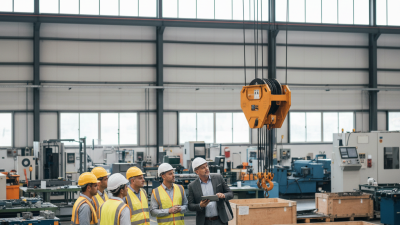
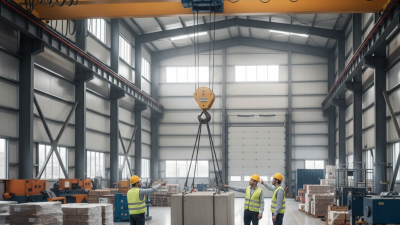
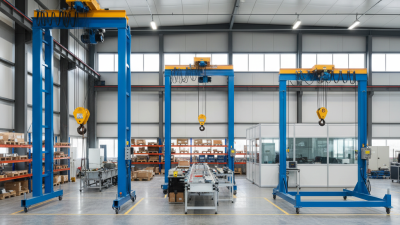
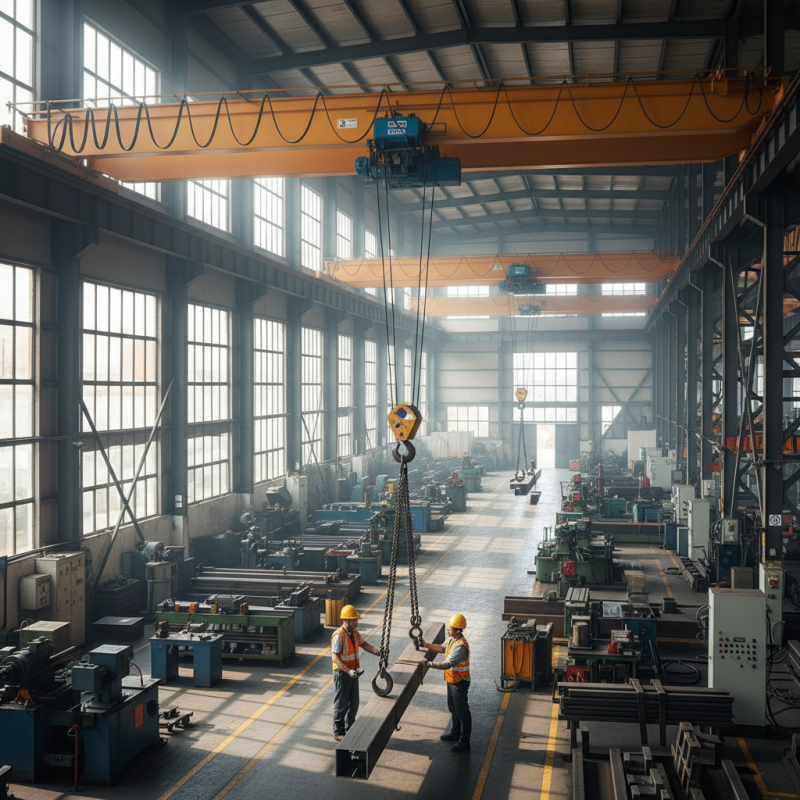
Trolley crane hoists are essential in modern material handling. They combine easy maneuverability with powerful lifting capabilities. These systems move heavy loads along girders, beams, or tracks. It simplifies tasks in warehouses, construction sites, and manufacturing plants.
The design of trolley crane hoists allows for efficient vertical and horizontal movement. Users can control the hoist precisely, improving workflow. They can lift loads quickly, matching the pace of demanding jobs. However, without proper training, there can be mishaps. Operators must understand the equipment's limits to ensure safety.
Another intriguing aspect is their versatility. Trolley cranes can adapt to various environments. They work just as effectively indoors as outdoors. It's important to consider the specific needs of the project. Incorrect application can lead to costly delays and accidents. Proper assessment of the space and load requirements is crucial. Each operation requires attention to detail and awareness.
Key Benefits of Using Trolley Crane Hoists in Industrial Settings
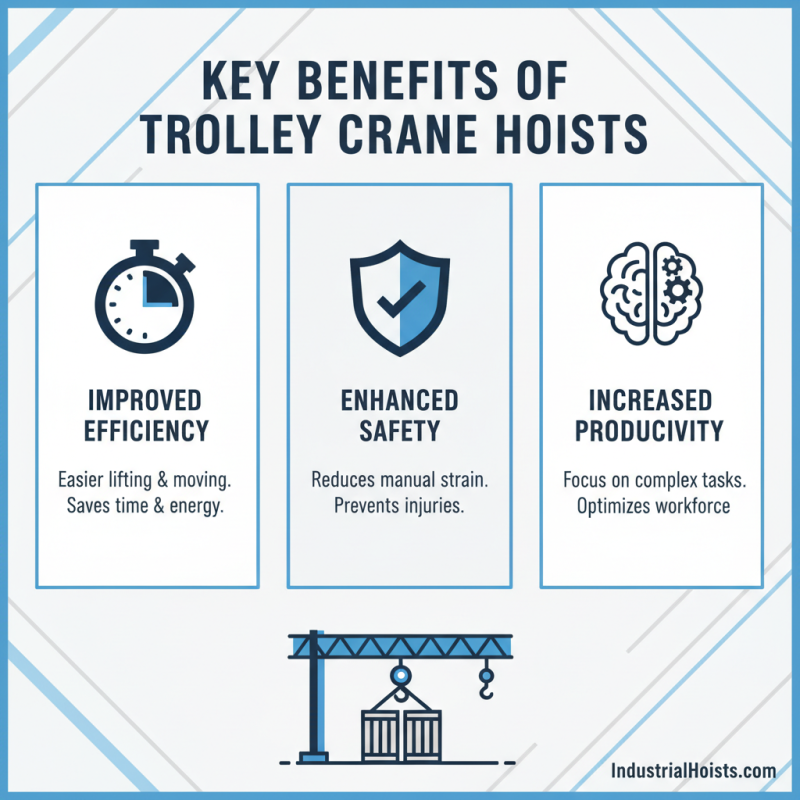
Trolley crane hoists offer significant advantages in industrial settings. These devices improve efficiency by enabling easier lifting and moving of heavy loads. Workers can save time and energy, allowing them to focus on more complex tasks. With well-designed hoisting systems, safety is enhanced. Operators can avoid injuries associated with manual lifting.
Moreover, trolley crane hoists are versatile. They can be used in various industries, from manufacturing to construction. Industries often rely on them to transport materials across large areas. Still, maintenance can be challenging. Regular checks are necessary to ensure optimal performance. Neglecting maintenance can lead to unplanned downtime.
Cost savings are another key benefit. Trolley crane hoists reduce the need for extra manpower. This cuts labor costs significantly. However, initial investment can be steep. Companies must weigh immediate costs against long-term savings. Some organizations may hesitate to adopt new technology, fearing it will disrupt their operations. Training might also pose challenges, but the benefits often outweigh these concerns. Adopting a trolley crane hoist can truly transform an industrial workspace.
Common Applications of Trolley Crane Hoists Across Various Industries
Trolley crane hoists are vital tools in many industries. They enhance efficiency and safety in material handling. Factories, warehouses, and construction sites rely on these systems. According to a report from Research and Markets, the global hoisting equipment market is projected to reach $5.5 billion by 2025. This growth showcases the increasing demand for effective lifting solutions.
Common applications include heavy lifting in manufacturing. Trolley cranes are essential for transporting large components along an assembly line. They can move loads weighing several tons. In warehouses, these hoists facilitate the quick movement of goods. This reduces the time needed for order fulfillment.
Tips: Always assess load capacities before use. Overloading can lead to equipment failure. Regular maintenance is also crucial. Neglecting maintenance can cause breakdowns, impacting productivity. Remember to train staff properly. A lack of training can lead to accidents. Consider the specific requirements of your industry. Each sector may have unique needs concerning hoist systems.
Trolley Crane Hoist Benefits and Applications
| Industry |
Common Applications |
Benefits |
Load Capacity (tons) |
| Manufacturing |
Material handling, assembly line aid |
Increased efficiency, reduced labor costs |
1-10 |
| Construction |
Lifting heavy materials at construction sites |
Enhanced safety, improved project timelines |
5-20 |
| Warehousing |
Storing and retrieving heavy goods |
Optimized space, reduced manual handling |
1-15 |
| Marine |
Loading and unloading containers |
Higher productivity, reduces dock time |
10-30 |
| Automotive |
Moving vehicle parts during assembly |
Streamlined workflow, precise handling |
2-12 |
Maintenance and Safety Considerations for Trolley Crane Hoists
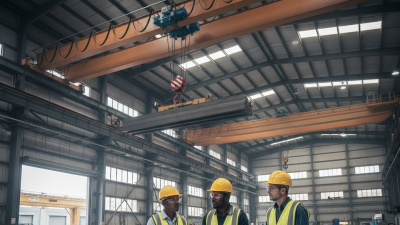
Trolley crane hoists play an essential role in various industries, offering substantial lifting capabilities. However, proper maintenance and safety are crucial for their effective operation. Regular checks can prevent accidents and ensure longevity. Consider that according to safety statistics, over 60% of crane accidents are attributed to improper maintenance.
It's vital to establish a routine maintenance schedule. Inspecting components like hooks, cables, and brakes can prevent breakdowns. Operators should receive training on safety protocols. It's alarming that in a 2020 survey, nearly 40% of workers reported not following safety guidelines. This oversight can lead to severe injuries or fatalities.
Tip: Always document maintenance activities. This practice creates a safety history for each hoist and highlights patterns needing attention.
Another consideration involves load limits. Exceeding these can strain the hoist, risking failure. It's not uncommon for operators to underestimate weights. Simple mistakes can lead to catastrophic consequences. Engaging with manufacturer guidelines is essential for maintaining safety standards.
Tip: Utilize load indicators when available. They offer real-time feedback and enhance safety.
Comparison of Trolley Crane Hoists with Other Lifting Solutions
Trolley crane hoists are increasingly favored in various industries for their efficiency.
Unlike traditional lifting solutions, these hoists can move along a rail, enabling better maneuverability. Studies indicate that they can improve productivity by up to
30%, allowing more tasks to be completed in a shorter time.
When comparing trolley crane hoists to other systems, their flexibility stands out. They often require less floor space, which is crucial in crowded environments.
However, there are drawbacks. The installation costs can be higher, and not every workspace is suitable for rail systems. According to industry reports, about
15% of facilities find this type of equipment challenging to integrate.
Additionally, while the load capacity of trolley hoists is impressive, it comes with limitations. A standard trolley hoist can handle between
0.5 to 20 tons. In contrast, pneumatic or hydraulic lifts can exceed
50 tons, but these come with their own space and maintenance issues. Each solution presents a distinct set of
advantages and disadvantages. Careful consideration is essential to choose wisely based on the specific needs of the operation.