Why Choose a Trolley Crane Hoist for Your Project?
Choosing the right lifting system begins with the worksite, not the equipment catalogue. A Trolley Crane Hoist can move heavy loads across a defined runway with controlled horizontal and vertical travel. That combination matters in fabrication shops, warehouses, maintenance bays, and production lines where every metre affects productivity.
“Safe lifting begins with understanding the load, the equipment, and the environment,” says Mike Parnell, a recognized crane-safety educator and lifting specialist. His point is simple. Capability alone is not enough. A hoist must match the load’s weight, shape, lifting frequency, travel distance, and available headroom. Operators also need clear sightlines, suitable controls, inspected wire rope or chain, and reliable limit devices.
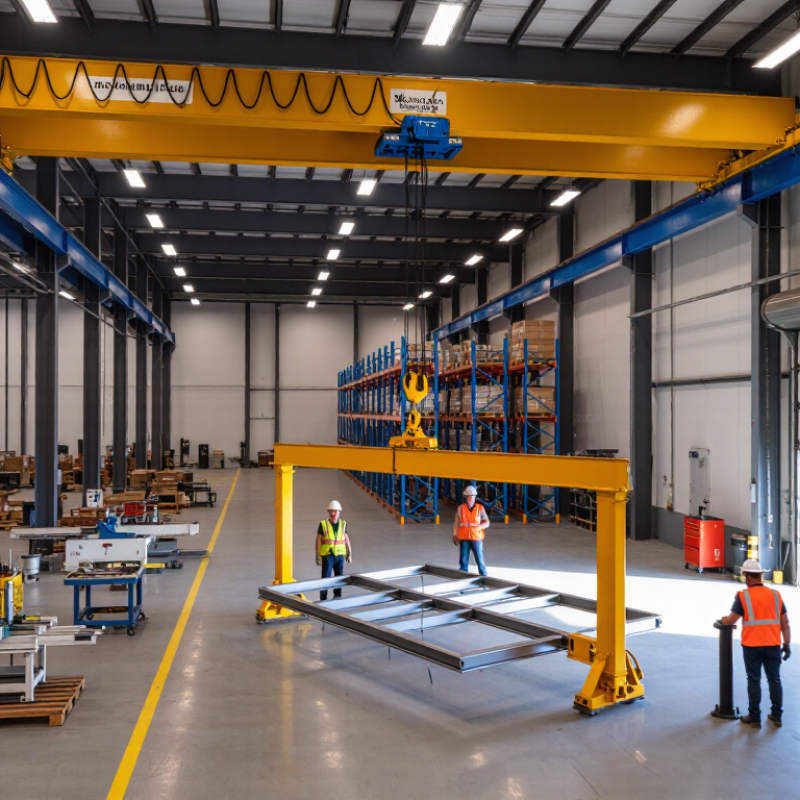
A practical example makes the decision clearer. Imagine a steel frame waiting beside a machining station. A floor crane may require repeated repositioning, while a Trolley Crane Hoist can travel along the runway and place the frame more accurately. Less manual handling may reduce delays and unnecessary strain. Still, this is not automatically the perfect solution. Runway structure, power supply, maintenance access, and installation cost can change the outcome.
The strongest project decisions come from documented load data and competent engineering review. Manufacturer instructions should guide selection, installation, inspection, and operation. Real workplaces are rarely ideal. Dust gathers. Operators make mistakes. Loads behave differently than expected. That is why a dependable Trolley Crane Hoist should be judged by control, serviceability, and safety discipline—not lifting capacity alone.
What Is a Trolley Crane Hoist?
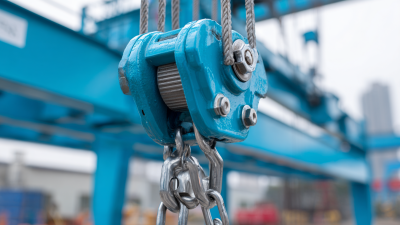
A trolley crane hoist is a lifting device that combines a hoist with a movable trolley. The hoist raises and lowers loads, while the trolley travels along a beam. Together, they provide controlled vertical and horizontal movement. In a workshop, the operator may lift a steel frame, move it several meters, and position it above a machine. Electric motors, gears, brakes, hooks, and limit switches support this operation. The crane structure carries the load, but the hoist performs the lifting work.
Unlike a fixed hoist, a trolley crane hoist can serve a wider working area. It may reduce manual handling and improve positioning accuracy. However, capacity depends on more than the hoist rating. Beam strength, trolley wheels, runway alignment, lifting speed, and duty cycle also matter. Experienced installers inspect these details before operation. A small alignment error can cause uneven wheel wear. That part is easy to underestimate. The operator must also check the load’s weight, balance, and attachment points before lifting.
Tips: Select equipment with a suitable working load limit and duty classification. Measure the beam flange before choosing the trolley. Test brakes and emergency controls regularly. Keep the load centered beneath the hoist, not pulled sideways. Stop the lift if unusual noise, vibration, or drifting appears. A clear inspection record improves reliability, although records alone cannot replace careful observation.
Why Choose a Trolley Crane Hoist for Your Project?
What Is a Trolley Crane Hoist?
A trolley crane hoist combines a lifting mechanism with a trolley that moves horizontally along a beam or crane bridge. This design provides both vertical lifting and controlled horizontal positioning, making it suitable for workshops, warehouses, maintenance areas, fabrication facilities, and heavy industrial operations.
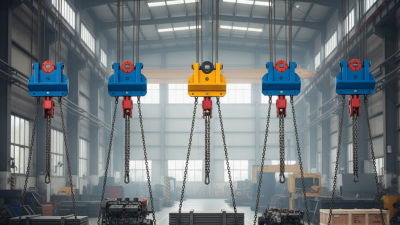
How to read the chart: Metric rated capacities such as 1, 2, 5, 10, and 20 tonnes are commonly used selection points for overhead lifting equipment. The correct capacity should be based on the maximum lifted load, lifting accessories, duty cycle, lift height, travel distance, and required safety margin. A trolley hoist is especially useful when loads must be lifted and positioned accurately across a defined work area.
How Does a Trolley Crane Hoist Operate?
A trolley crane hoist moves loads by combining two controlled actions: lifting and horizontal travel. The hoist raises a load with a drum, wire rope, or chain. The trolley carries that hoist along the crane bridge. Pressing the travel control shifts the trolley through geared wheels. Pressing the lift control changes the motor’s direction. Brakes hold the load when power stops.
In practical use, an operator first checks the hook, latch, rope, chain, brakes, and pendant. OSHA’s overhead-crane guidance requires regular inspections, including frequent checks based on service conditions. ASME B30.16 also emphasizes inspection, maintenance, and safe operating practices for underhung and overhead hoists. These checks matter because a small rope defect can worsen under repeated loading. It is easy to underestimate that risk.
The load should remain centered beneath the hoist. Side pulling can create dangerous swing and extra force on the structure. The U.S. Bureau of Labor Statistics reported 1,069 fatal occupational injuries involving cranes from 2011 to 2020. That figure covers many crane types, but it shows why controlled movement matters. Operators should use smooth acceleration, avoid sudden stops, and keep people outside the suspended-load zone. A trolley hoist feels simple. It is not forgiving when overloaded, poorly aligned, or used without a clear signal system.
Which Project Benefits From This Hoist Design?
Why Choose a Trolley Crane Hoist for Your Project?
Which Project Benefits From This Hoist Design?
A trolley crane hoist suits projects that move loads across a fixed overhead path. It works well in fabrication shops, maintenance bays, warehouses, and plant expansions. The trolley travels along a beam, while the hoist raises or lowers the load. This arrangement keeps floor space clear. It also reduces unnecessary forklift traffic near workers.
The design is especially useful when loads must reach several workstations. A steel frame may need repeated positioning beside welding tables. A maintenance team may lift motors between service areas. In these situations, horizontal travel matters as much as lifting capacity. The U.S. Bureau of Labor Statistics recorded 1,069 fatal work injuries in transportation and material-moving occupations during 2023. That figure covers many activities, not cranes alone. Still, it shows why controlled material movement deserves careful planning.
Project managers should match the hoist to duty cycle, span, headroom, and load shape. A trolley hoist is not automatically the best choice. It may perform poorly where routes change often or outdoor conditions are severe. OSHA 1910.179 emphasizes rated loads, inspections, brakes, and operator controls for overhead cranes. Those details affect real reliability. In practice, a clear travel path and visible load labels prevent avoidable hesitation. I have seen schedules fail because engineers chose capacity before measuring headroom. That mistake is easy to repeat. Safety margins, inspection access, and future production changes deserve equal attention.
What Features Should You Evaluate Before Choosing One?
Why Choose a Trolley Crane Hoist for Your Project?
A trolley crane hoist combines lifting and horizontal movement in one system. That combination can reduce manual handling around busy work areas. Before choosing one, confirm the required safe working load, lifting height, and travel distance. Include the weight of slings, hooks, and lifting attachments. Small additions can exceed the planned capacity.
Duty cycle matters more than many buyers expect. A hoist used every few minutes needs stronger components than one used occasionally. Check motor rating, lifting speed, trolley speed, and braking performance. Variable-speed control can improve positioning near delicate equipment. It may also reduce sudden loads on the supporting structure.
I have seen projects focus on capacity while overlooking beam flange width. That assumption is not always right.
Measure available headroom carefully. A compact hoist can preserve valuable clearance beneath the beam. Verify hook travel, trolley dimensions, power supply, and control-cable reach. Outdoor or dusty areas may require suitable protection against moisture and contamination. Safety features should include upper and lower limit controls, overload protection, emergency stopping, and a dependable mechanical brake. Ask for inspection records, maintenance guidance, test results, and clear technical documentation. These details reveal whether the equipment is practical, not merely impressive on paper. Leave room for future repairs. A crowded installation becomes difficult to inspect. Safety standards and site procedures should guide the final selection.
How Can You Plan Safe and Efficient Hoist Use?
A trolley crane hoist can move heavy loads accurately across a workshop or construction area. Safe use begins with a clear lifting plan, not with pressing the control button. Confirm the load weight, center of gravity, lifting points, and rated capacity of every component. Check the beam, trolley, hook, chain, brakes, and limit devices before each shift. A qualified person should review the setup and record inspection results. Small defects can become serious under load.
Tips: Mark the travel path. Keep people outside the drop zone. Use tested slings. Communicate with one signaler. Lift a few centimeters first. Stop if the load tilts, swings, or makes unusual noise. Never exceed the rated capacity. Never leave a suspended load unattended.
Efficient hoist use also depends on the work environment. Remove obstacles from the travel route and provide enough lighting for operators and signalers. Set a slow speed near corners, doors, and storage racks. Wind, poor visibility, or uneven loading may require a delay. That delay is often cheaper than equipment damage. Emergency steps should be practical, including power isolation, controlled lowering, and access to first-aid support. Follow the hoist instructions and applicable local safety requirements. No plan is perfect. Teams should review each lift afterward and question assumptions that seemed safe at the time.