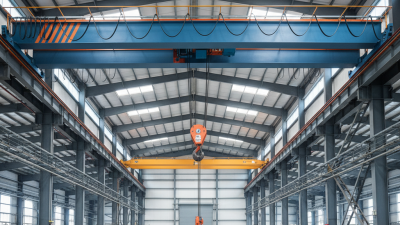
Choosing the right China Scaffold Hoists requires more than comparing prices on a supplier page. A dependable hoist must match the scaffold height, lifting frequency, rated load, power supply, and site conditions. Small details matter. Brake response matters. So does the emergency stop.
Scaffold hoists should include clear capacity markings, upper and lower limit switches, overload protection, guarded moving parts, and accessible controls. Buyers should also examine the motor brand, wire-rope quality, drum design, inspection records, and replacement-part availability. A low purchase price can become expensive when a damaged gearbox stops a busy project.
Lifting-equipment safety consultant Dr. Chris McFadden offers a practical reminder: “A safe hoist is chosen by the whole lifting system, not by price alone.” That principle deserves attention when reviewing Chinese manufacturers and export suppliers. Factory experience, product testing, technical documentation, and responsive after-sales support reveal more than polished photographs.
The best China Scaffold Hoists are not always the cheapest models. They are the units that perform consistently under real working pressure. Think of a loaded platform rising beside a ten-storey façade. Smooth travel matters. Predictable stopping matters more.
This guide compares important buying factors, including lifting speed, rated capacity, control systems, installation requirements, and supplier reliability. It also considers certification and regional compliance, because acceptable documentation can vary between markets. No shortlist is perfect. Some product pages remain vague, and buyers must ask harder questions before ordering. That extra effort may prevent costly delays, unsafe substitutions, and disappointing site performance.
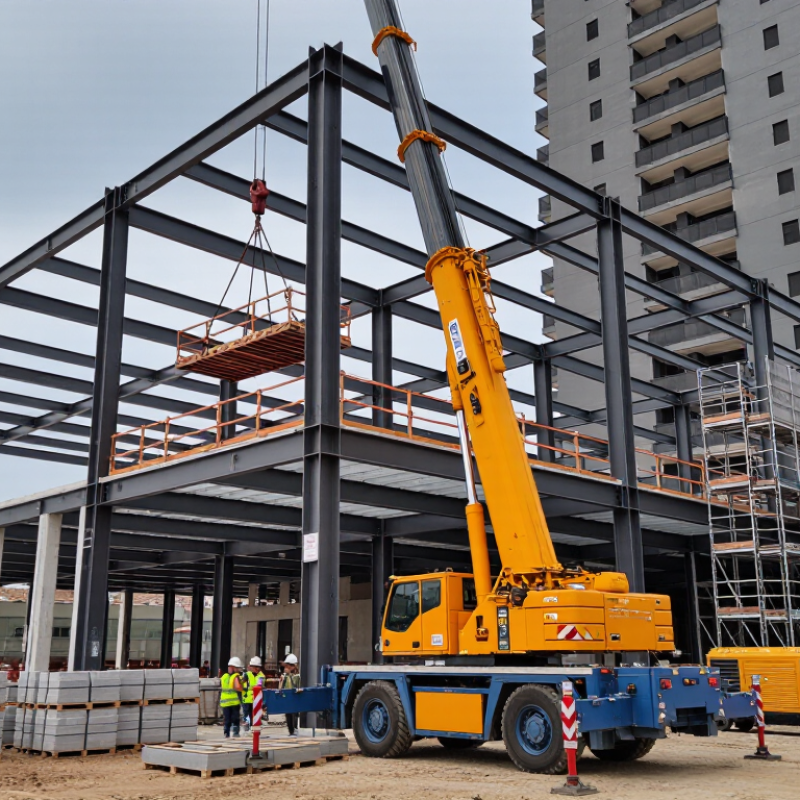
A China scaffold hoist is a compact electric lifting machine used beside temporary scaffolding. It raises materials, tools, and small loads vertically. Most models use a wire rope, drum, motor, brake, pendant control, and upper limit switch. Some units use rack-and-pinion systems instead. The lifting path should remain clear. Never assume a material hoist is approved for passengers.
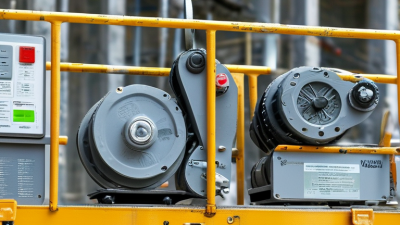
The working process is simple but unforgiving. The motor turns the drum, the drum winds the rope, and the brake holds the suspended load. A limit switch stops over-travel near the upper position. Load charts define safe capacity, lifting speed, and duty cycle. The European standard EN 14492-2 addresses power-driven winches and hoists, while ISO 4309 provides guidance for wire-rope inspection. These references help buyers compare technical claims, not just prices.
Safety deserves more attention than a polished product page. The International Labour Organization reports about 2.78 million work-related deaths globally each year, with many linked to preventable workplace hazards. A scaffold hoist cannot compensate for weak anchoring, overloaded slings, poor grounding, or skipped inspections. I would check the rated load under real rope lengths and site conditions. That detail is often missed. Buyers should also request test records, emergency-stop details, brake specifications, and replacement-part availability. A cheaper hoist may become expensive when its manual is unclear or its safety switch fails.
What Are the Best China Scaffold Hoists for Sale?
Which Types of China Scaffold Hoists Are Available for Sale?
China scaffold hoists are available in several practical configurations. Rack-and-pinion hoists use a geared drive and toothed mast. They suit repeated vertical transport on mid-rise sites. Wire-rope hoists are usually lighter and easier to reposition. They work well for tools, panels, and smaller loads. Some suppliers also offer compact electric winches for short lifting distances.
Material-only hoists are designed for bricks, buckets, and equipment. Personnel hoists require stricter controls, enclosed platforms, emergency brakes, and verified load ratings. Combined material-and-personnel models provide flexibility, but their inspection demands are higher. That distinction is often overlooked during purchasing.
A 2023 OSHA fatality analysis identified falls as the leading cause of construction deaths in the United States, accounting for 395 fatalities in 2022. Hoist selection cannot replace guardrails, trained operators, or daily inspections. The ILO’s Safety and Health in Construction guidance also stresses competent supervision and maintained lifting equipment. Buyers should check rated load, lifting speed, mast height, power supply, brake response, and spare-part access. I would also request test records and installation instructions. A low purchase price can become expensive when technical support is weak. Even experienced teams sometimes underestimate wind exposure and uneven foundations. That deserves a second review.
| Hoist Type | Typical Rated Load | Typical Lifting Speed | Typical Lifting Height | Power Configuration | Main Application | Key Advantages | Important Selection Checks |
|---|---|---|---|---|---|---|---|
| Electric Wire-Rope Scaffold Hoist | 250–1,000 kg | 8–24 m/min | 30–150 m | Single-phase or three-phase electric motor | Lifting bricks, tools, formwork, and other materials on building sites | Compact structure, flexible installation, and suitable for many scaffold layouts | Rope diameter, drum capacity, anchoring method, emergency stop, overload protection, and limit switches |
| Two-Speed Electric Material Hoist | 300–1,000 kg | 6–24 m/min | 50–150 m | Three-phase electric motor, commonly 380–415 V, 50 Hz | Regular movement of construction materials between ground level and working platforms | Faster positioning at high speed and better control during loading and unloading | Duty cycle, braking performance, control pendant length, electrical protection, and power availability |
| Compact Portable Scaffold Hoist | 100–300 kg | 8–20 m/min | 20–80 m | Single-phase electric motor | Light-duty repair, maintenance, façade work, and small construction projects | Low installation effort, easy transport, and lower initial equipment cost | Actual working load, available electrical supply, mounting strength, and weather protection |
| Rack-and-Pinion Material Hoist | 500–2,000 kg | 24–54 m/min | Up to approximately 150 m per installation | Three-phase electric drive system | High-frequency transport of materials on medium- and high-rise construction projects | Guided vertical travel, high throughput, and reduced dependence on a wire-rope drum | Mast configuration, cage dimensions, landing-gate safety, foundation requirements, and installation permits |
| Personnel-and-Material Hoist | 800–2,000 kg, depending on configuration | 24–54 m/min | Up to approximately 150 m per installation | Three-phase electric drive system with safety-control circuits | Transporting authorized workers and materials where regulations permit combined use | Improves vertical site access and can reduce reliance on stairs for repetitive movement | Local legal approval, overspeed safety device, interlocked doors, emergency lowering, and inspection records |
| Manual Lever or Hand-Winch Hoist | 250–1,000 kg | Manual, typically slower than powered models | Usually 10–50 m, depending on rope or chain length | No external electrical power required | Remote locations, short-duration work, and projects without reliable electricity | Simple operation, easy portability, and reduced electrical maintenance requirements | Operator effort, anchor-point capacity, braking mechanism, rope or chain condition, and lifting frequency |
Note: Capacity, speed, lifting height, voltage, and safety features vary by model and configuration. Confirm the rated load, installation method, duty cycle, applicable local regulations, and required inspection documentation before purchase.
When comparing China scaffold hoists for sale, start with the load your project actually needs. Do not choose capacity from a product headline alone. Include workers’ tools, buckets, materials, and uneven loading. A 300-kilogram rating may be unsuitable if the hoist operates near its limit every day. Capacity should exceed the calculated working load with a sensible margin. Check the duty cycle, rope length, lifting height, and power supply requirements. These details often affect productivity more than the advertised price.
Speed needs equal attention. Fast lifting can reduce waiting time, but excessive speed may increase swinging and positioning errors. Check the rated speed under working load, not only the unloaded figure. Ask for stopping accuracy and descent control information. On a busy site, smooth movement matters. A slower hoist can sometimes place materials more safely and precisely. That trade-off is easy to overlook.
Safety requires documented engineering, not reassuring language. Look for an effective brake, emergency stop, upper and lower limit switches, overload protection, guarding, and a manual lowering method. Confirm inspection records, user instructions, spare-part support, and compatibility with the scaffold structure. Verify compliance with applicable local standards before purchase. A practical field check should include a controlled test load, unusual noise, rope alignment, and brake response. It is tempting to trust a neat specification sheet. That can be a mistake. Site conditions, maintenance quality, and operator training may change the real performance. A comparison table helps, but it cannot replace an inspection by a qualified professional.
The best China scaffold hoists combine lifting power, controlled movement, and dependable site protection. Start with the rated load, not the advertised maximum. A suitable hoist should match the planned materials, lifting height, and daily workload. Overloading creates dangerous strain on the motor, wire rope, and supporting structure.
Reliable models include dual braking systems, upper and lower limit switches, and overload protection. An emergency stop should be easy to reach with gloved hands. Smooth starting matters too. Sudden movement can swing bricks, tools, or loaded platforms against scaffolding. Look for weather-resistant electrical enclosures, strong hooks, and a clearly marked control pendant. The rope should wind evenly without crushing or irregular gaps.
Documentation separates professional equipment from uncertain machinery. Check the test certificates, user manual, wiring diagram, and spare-parts information before purchase. A hoist for sale should also have accessible inspection points and a practical maintenance schedule. Experienced installers will verify anchor strength, scaffold compatibility, power requirements, and ground protection. Small details matter.
Do not trust appearance alone.
A bright painted frame proves little. I would question vague load ratings, missing serial information, or unusually low prices. Even skilled crews can overlook corrosion around fittings or wear on the rope guide. Local service support may be less impressive than expected, so confirm response times before ordering. The best choice is not simply the fastest or cheapest hoist. It is equipment that remains predictable under real site conditions.
Rated load is a primary specification when selecting a scaffold hoist. Common electric scaffold hoist classes are available around 300 kg, 500 kg, and 800 kg, while the best options should also include overload protection, emergency stopping, upper and lower limit switches, reliable mechanical braking, and a weather-resistant enclosure.
Higher capacity does not automatically mean better performance. Match the rated load to the actual lifting requirement and confirm the hoist’s safety systems, lifting speed, duty rating, power supply, installation method, and compliance documentation before purchase.
Choosing a reliable China scaffold hoist supplier requires more than comparing prices. Start by checking the supplier’s manufacturing experience, export history, and product documentation. Ask for load-test reports, wiring diagrams, inspection records, and clear model specifications. A dependable supplier should explain rated capacity, lifting speed, duty cycle, and suitable working height without vague promises.
Safety details deserve close attention. Examine the emergency stop, upper and lower limit switches, overload protection, brake system, and wire-rope construction. Request sample photos of the control box, gears, hooks, and mounting brackets. The hoist should match your scaffold structure and site conditions. Small design differences can affect daily installation time. Ask whether spare parts are available and how quickly technical support responds.
Request a factory video call or arrange an independent inspection before payment. Review packaging, moisture protection, replacement-part lists, and warranty terms. Speak with recent customers if possible. Their comments may reveal delays that sales documents hide. A low quotation can be attractive, but weak after-sales service may cost more later. I have found that even experienced buyers sometimes overlook voltage compatibility. That mistake is avoidable. Still, no supplier is perfect; communication gaps and shipment changes can happen. The key is whether the supplier records problems honestly and offers practical solutions. Get every important promise in writing.