2026 How to Choose the Best Trolley Crane Hoist for Your Needs?
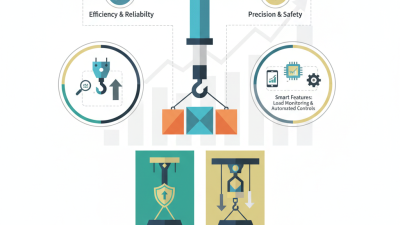
Choosing the right Trolley Crane Hoist is crucial for any lifting operation. Whether for construction or manufacturing, the right hoist affects efficiency and safety. With numerous options available, understanding your specific needs is essential.
Trolley Crane Hoists vary in capacity, design, and functionality. Some hoists are designed for lightweight tasks, while others can handle heavy loads. Assessing the weight and type of materials you will lift is important. You should also consider the working environment. Factors like space limitations and overhead clearance can influence your choice.
Moreover, reliability is a key factor. A hoist that frequently malfunctions can lead to costly downtime. Researching brand reputation and customer reviews can offer insight into performance. It's always wise to consult with experts to ensure you make an informed decision. Mistakes in selecting a hoist can have serious consequences, both financially and operationally. Carefully evaluate your options to find the best match for your needs.

Understanding Trolley Crane Hoists and Their Functionality
Trolley crane hoists are integral to various industries. Understanding their functionality is essential. These hoists provide a seamless way to lift and move heavy loads in warehouses and construction sites. According to industry reports, the global crane market is projected to reach $64 billion by 2025. This growth highlights the increasing demand for effective material handling solutions.
A trolley crane hoist typically includes a motorized winch that lifts loads vertically. It rides along horizontal beams, allowing precise movement. However, not all hoists are created equal. Parameters such as lifting capacity, speed, and control features can greatly affect performance. For instance, a hoist designed for 1-ton loads may not suffice for heavier applications, leading to safety risks. In fact, improper selection has led to 30% of workplace accidents in material handling sectors.
Each project presents unique challenges. A hoist that works well in one setting may falter in another. Many users express frustration over compatibility issues with existing infrastructure. Prior experience indicates that regular maintenance can prevent many problems. Understanding the specific needs of your project will help avoid costly mistakes and ensure reliable operation.
2026 Trolley Crane Hoist Capacity vs. Application Type
Assessing Load Capacity Requirements for Your Trolley Crane Hoist
When assessing load capacity requirements for a trolley crane hoist, it's crucial to identify the maximum weight you'll handle. Data from the Material Handling Industry reports indicate that choosing the right capacity is vital for both safety and efficiency. Hoists have different rated load limits, typically ranging from 1 ton to over 50 tons. This range should align with your specific operational needs.
Understanding your environment also matters. Factors like lifting height, frequency of use, and load dynamics can impact the hoist's performance. A survey by the National Institute for Occupational Safety and Health (NIOSH) found that improper load assessment can lead to accidents and equipment failure. It's paramount to calculate the effective working load rather than assume standard limits.
**Tip:** Always overestimate your load demands by about 10-15%. This will provide a safety margin during unexpected peaks.
Additionally, consider future growth in your operations. Avoid choosing a hoist that only meets current needs. Instead, look for options that accommodate potential increases in load demands. Remember, frequent evaluations of your operational requirements can reduce the risk of inadequate equipment being used.
**Tip:** Schedule regular assessments of load capacity as part of your maintenance routine. This helps ensure equipment remains reliable and meets safety standards.
2026 How to Choose the Best Trolley Crane Hoist for Your Needs? - Assessing Load Capacity Requirements for Your Trolley Crane Hoist
| Hoist Model |
Load Capacity (tons) |
Lift Height (feet) |
Power Supply (V) |
Weight (lbs) |
| Model A |
2 |
10 |
220 |
150 |
| Model B |
3 |
15 |
220 |
200 |
| Model C |
5 |
20 |
380 |
350 |
| Model D |
10 |
25 |
480 |
500 |
Evaluating Power Source Options for Trolley Crane Hoists
When selecting a trolley crane hoist, the power source is crucial. Electric hoists dominate the market due to their efficiency and ease of use. According to a report by Grand View Research, the electric hoist sector is projected to grow significantly, driven by industrial automation needs. These hoists can offer lifting capacities over ten tons without compromising safety. However, reliance on electrical systems can lead to downtime during outages.
Alternatively, pneumatic hoists, which use compressed air, are ideal for hazardous environments. They operate quietly and have a lower risk of ignition. This feature is essential in industries like mining. The global pneumatic hoist market is also experiencing steady growth, estimated to reach $1.3 billion by 2025. Yet, their dependency on an air supply means less flexibility compared to electric models.
Tip: Always assess the environmental conditions before choosing a power source. If working in tight or explosive spaces, consider pneumatic options.
Battery-operated hoists are gaining traction, combining the best of both worlds. They provide mobility and can be more efficient than traditional electric hoists in remote locations. However, battery life and charging time must be considered. Some hoists may not perform well under heavy load for extended periods before needing a recharge.
Tip: Evaluate the duty cycle of a hoist to ensure it meets your lifting requirements without frequent interruptions.
Considering Safety Features and Compliance Standards
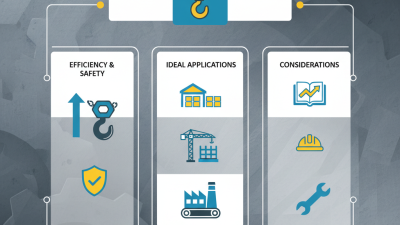
When selecting a trolley crane hoist, safety features and compliance standards are crucial. According to a recent industry report, nearly 40% of workplace injuries in manufacturing involve lifting equipment. Incorporating high-quality safety features is not just prudent; it's essential. Look for hoists that include overload protection, emergency stop buttons, and safety brakes. These features significantly reduce the risk of accidents.
Compliance with local and international standards, such as ISO 9001 and ASME B30.16, ensures the equipment meets safety requirements. A study by OSHA found that compliant equipment reduces the chance of accidents by up to 30%. It’s imperative to consider the certifications of the hoist. Non-compliance can expose businesses to liabilities and legal issues.
While focusing on safety, consider the operational environment. For instance, is the area prone to dust or moisture? This can affect the hoist’s performance and safety features. While it may seem tempting to cut costs, ignoring these elements can lead to serious repercussions. Always reflect on the safety implications and ask whether the chosen hoist can genuinely withstand the demands of your specific environment.
Budgeting for Purchase and Maintenance of Trolley Crane Hoists
When budgeting for the purchase and maintenance of trolley crane hoists, understanding costs is crucial. According to industry reports, the average cost of a trolley crane hoist ranges from $2,000 to $10,000, depending on capacity and features. Proper budgeting involves not just initial expenses but also operational costs over time. Maintenance is often overlooked, but it can account for 10-15% of the total operating budget annually.
Routine inspections and servicing can help prevent costly breakdowns. Some sources indicate that poor maintenance can lead to a 20% reduction in efficiency. Additionally, unexpected repairs may lead to extended downtime, affecting productivity and profitability. Investing in quality parts and skilled technicians decreases long-term maintenance costs, emphasizing the need for thoughtful financial planning.
Consider training personnel on proper usage to minimize accidents and prolong equipment life. Some companies experience lower long-term costs through effective training programs. A proactive approach not only enhances safety but can also reduce insurance premiums. Carefully assessing both purchase and ongoing costs ensures that your trolley crane hoist serves your needs efficiently.