Best Forklift Hydraulic Scale for Accurate Weighing Solutions?
In the fast-paced world of material handling, efficiency is crucial. Accurate weight measurements are vital for operations involving heavy loads. As noted by industry expert John Smith, “A reliable Forklift Hydraulic Scale can prevent costly mistakes in load management.” This emphasizes the importance of precision in logistics and warehousing.
Forklift Hydraulic Scales offer advanced solutions by integrating weighing capability into standard forklifts. This innovation streamlines processes and reduces the need for separate weighing stations. Users report significant time savings and improved inventory accuracy. However, not all scales are created equal. Some models struggle with consistency and durability under demanding conditions.
When investing in a Forklift Hydraulic Scale, it’s essential to consider specific features. Capacity, accuracy, and ease of use are critical. Moreover, regular maintenance should not be overlooked. Many users become complacent, forgetting that even the best scales require checks to ensure optimal performance. Selecting the right scale can enhance your operations, but it requires careful thought and diligence.
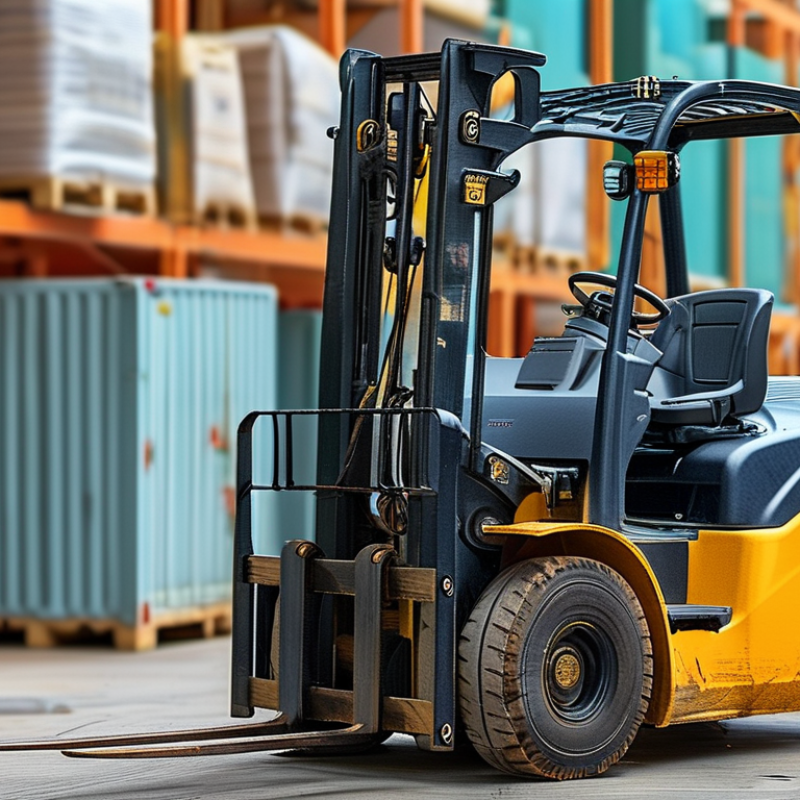
Understanding Forklift Hydraulic Scales and Their Functionality
Forklift hydraulic scales are crucial tools for accurate material handling. These scales integrate weighing technology directly into forklift operations. With a hydraulic scale, operators can weigh loads while lifting them. This offers efficiency, reducing the need for separate weighing stations.
The functionality of forklift hydraulic scales lies in their design. Typically, they consist of a pressure sensor that measures the hydraulic pressure during lifting. This data translates to weight measurements in real-time. Many operators appreciate this technology for its convenience and accuracy. It minimizes downtime and enhances productivity on the warehouse floor.
Tips for effective use: Regularly calibrate the hydraulic scales to maintain accuracy. This ensures that your measurements reflect true weights, preventing potential overloading. Operators should also be trained to understand the scale's readout. Familiarity with the device promotes reliability and safety. Lastly, always inspect the hydraulic system for any leaks or damages. A well-maintained scale can improve operational efficiency significantly.
Weight Distribution of Common Forklift Loads
Key Features to Look for in a Hydraulic Scale for Forklifts
When choosing a hydraulic scale for forklifts, accuracy is essential. A hydraulic scale should have a precision of at least ±0.1%. This ensures that weight readings are reliable. According to industry reports, inaccuracies can lead to costly shipping errors. Investing in reliable scales minimizes these risks.
Consider features like load capacity and display readability. A scale should easily handle the load of various materials, typically up to 5000 kg or more. The display must be clear and visible in various lighting conditions. Wireless technology can enhance convenience, allowing operators to read weights from a distance.
**Tip:** Always check calibration settings. Regular calibration guarantees consistent performance. Some scales may drift over time, affecting weight accuracy.
The ease of installation and maintenance cannot be overlooked. Look for models that do not require extensive technical support. Simple maintenance protocols prolong the scale's life and optimize performance.
**Tip:** Research replacement parts availability. This can save time and costs in repairs. Keeping an eye on component durability is key to sustaining long-term reliability.
Benefits of Using Accurate Hydraulic Scales in Material Handling
Accurate hydraulic scales play a crucial role in material handling. They ensure reliable weight measurements during the transportation of goods. This precision reduces the risk of overloading forklifts, which can lead to safety hazards. Employees feel safer knowing that they are working with equipment designed for accurate weight measurements.
Using hydraulic scales improves efficiency in daily operations. They streamline the loading and unloading processes. This efficiency translates into time savings, allowing for quicker deliveries. However, not all scales are created equal. Users must regularly calibrate these scales to maintain accuracy.
Some operators overlook the importance of training. A well-trained employee can better handle the equipment and interpret weight data. This understanding minimizes errors and maximizes safety. Regular maintenance checks are also necessary to ensure these systems function properly. Maintaining accountability is essential in avoiding costly mistakes in material handling.
Top Brands and Models of Forklift Hydraulic Scales in the Market
When choosing a forklift hydraulic scale, several top brands stand out for their reliability and accuracy. These scales are essential tools for any business that needs precise weight measurements. They help avoid errors in loading and shipping, which can be costly. Knowing the best options can assist in making an informed decision.
Some models feature user-friendly interfaces, making them accessible for operators of all experience levels. However, not all scales are created equal. It's crucial to evaluate the weight capacity and measurement accuracy before purchase. Durability should also be a consideration, as heavy industrial environments can pose challenges. A trusted scale wears out faster if not built robustly.
Feedback from current users often highlights certain aspects. Some scales may struggle with extreme temperatures, affecting their accuracy. Maintenance can sometimes be a hassle, requiring routine checks. Overall, a careful assessment of features and user experiences ensures that businesses invest in a reliable solution. Balancing quality and cost is a recurring challenge many face while shopping for a hydraulic scale.
Best Forklift Hydraulic Scale for Accurate Weighing Solutions
| Model |
Capacity (lbs) |
Accuracy (lbs) |
Display Type |
Battery Life (Hours) |
Weight (lbs) |
| Model A |
5000 |
5 |
LCD |
50 |
400 |
| Model B |
6000 |
4 |
LED |
40 |
450 |
| Model C |
7500 |
3 |
LCD |
60 |
480 |
| Model D |
8000 |
6 |
LED |
70 |
500 |
Maintenance Tips for Ensuring Long-lasting Performance of Hydraulic Scales
Maintaining hydraulic scales is crucial for accurate weighing in industrial settings. These scales rely on fluid mechanics, making regular maintenance vital. According to industry reports, poorly maintained systems can lead to a 10-15% error in weight measurement. This can significantly impact operational efficiency and costs.
Regularly checking hydraulic fluid levels is essential. Insufficient fluid can lead to inaccurate readings. Additionally, any leakage can compromise measurements and create safety hazards. Inspecting hoses and connections for wear can prevent downtime. Documenting maintenance activities helps in tracking performance trends and anticipating potential issues.
Calibration is another critical maintenance aspect. Scales should be calibrated at least twice a year, based on usage intensity. This ensures that they maintain accuracy over time. Professional technicians often recommend frequent checks for wear and tear. User training on recognizing signs of malfunction can aid in early detection of problems. These practices enhance the longevity of hydraulic scales while ensuring reliable performance.