2026 Top Scaffold Hoists For Your Construction Needs?
In the construction industry, efficiency and safety are paramount. Scaffold hoists are essential tools, enabling workers to lift heavy materials with ease. According to the Bureau of Labor Statistics, around 30% of construction accidents are related to falls or lifting injuries. Implementing reliable scaffold hoists can significantly reduce these risks.
The global scaffold hoist market is projected to grow by 6.3% annually, driven by the increasing demand for construction projects. In 2023 alone, the market was valued at over $500 million. This growth indicates that more companies are recognizing the value of investing in quality scaffold hoists. Choosing the right model can impact productivity and safety directly.
Despite the advancements in scaffold hoist technology, challenges remain. Not all hoists are created equal, and improper use can still lead to accidents. Understanding the features and limitations of various models is crucial for making informed decisions. Construction professionals must continuously evaluate their equipment choices, ensuring they align with safety standards and work site requirements.
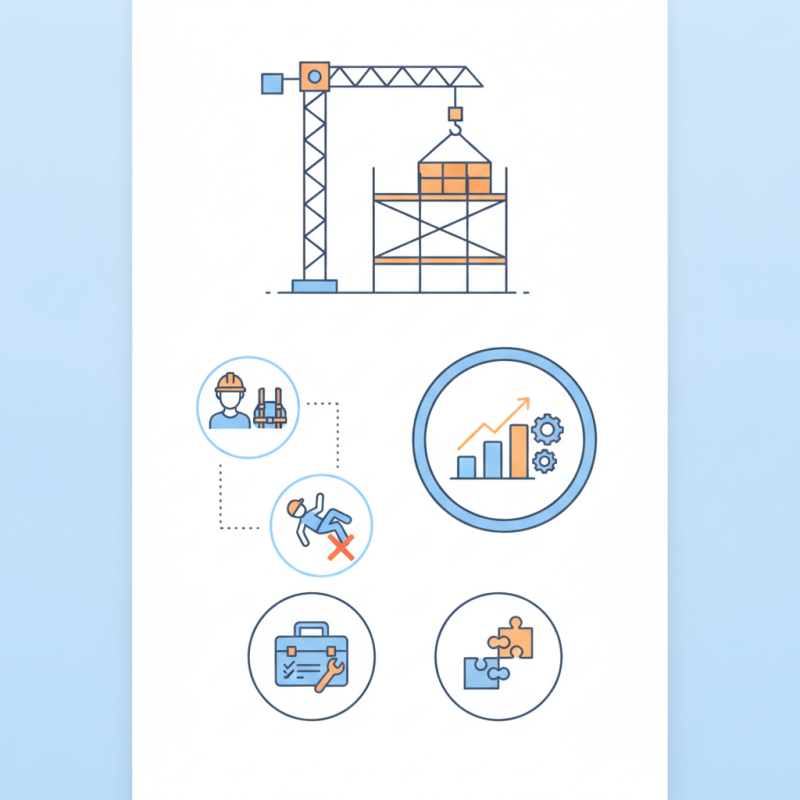
Top Scaffold Hoists: Understanding Their Importance in Construction
Scaffold hoists are essential tools in construction. They simplify the movement of materials and workers to elevated areas. This not only improves efficiency but also enhances safety on job sites. Hoists reduce the physical strain on workers, minimizing the risk of injuries related to lifting heavy loads. A good hoist can elevate materials up to several stories high.
Understanding the types of scaffold hoists is crucial. Some hoists operate electrically, while others are manual. Electric hoists provide quick lifting, but may need careful monitoring. Manual hoists, on the other hand, require physical effort but can be more reliable under adverse conditions. It's vital for construction teams to assess their needs before choosing a hoist type. Proper training on hoist operation is necessary. Without it, users may face dangerous situations.
Many construction sites overlook the significance of regular maintenance. Neglecting this vital aspect can lead to malfunctions. Regular checks ensure that hoists function correctly and safely. Workers should be encouraged to report issues promptly. This proactive approach helps maintain a high safety standard and can prevent accidents. The importance of understanding and managing scaffold hoists cannot be underestimated, as they play a key role in modern construction practices.
2026 Top Scaffold Hoists For Your Construction Needs
| Model |
Load Capacity (lbs) |
Height (ft) |
Power Source |
Weight (lbs) |
Price ($) |
| Model A |
1000 |
20 |
Electric |
200 |
1500 |
| Model B |
1200 |
25 |
Gas |
250 |
1800 |
| Model C |
800 |
15 |
Electric |
150 |
1200 |
| Model D |
1500 |
30 |
Diesel |
300 |
2500 |
| Model E |
2000 |
35 |
Electric |
350 |
3000 |
Key Features to Look for in Scaffold Hoists for 2026
When choosing scaffold hoists for construction in 2026, safety features are paramount. Reliable hoists should have overload protection to prevent accidents. Safety brakes are also essential for secure lifting. These features ensure that workers can operate your equipment without the risk of dangerous failures.
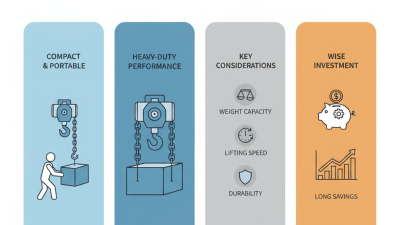
Another important aspect is the lifting capacity. Depending on your project's scale, consider hoists that can handle heavy loads. This capability means less downtime for you. The hoist's speed is also critical. Faster options can lead to increased efficiency on the job site. However, speed should not compromise safety. Always find a balance.
Lastly, think about the ease of use. Controls should be intuitive to minimize confusion. Look for models with clear labels and instructions. If possible, test different hoists before purchase. Reflect on past experiences; sometimes what looks good on paper doesn't perform well in real life. It’s worth investing time in understanding the best options for your needs.
2026 Top Scaffold Hoists Performance Comparison
Comparative Analysis: Electric vs Manual Scaffold Hoists
When evaluating scaffold hoists, the choice between electric and manual systems is critical. Electric scaffold hoists provide efficiency and power. They can lift heavy loads quickly, saving time on construction sites. They also allow workers to focus on tasks rather than physical exertion. However, these hoists rely on a power source. If there's a power outage, work stops. This dependence can lead to delays.
On the other hand, manual scaffold hoists offer reliability without the need for electricity. They are often lighter, making them easier to transport. Workers can adjust lifting speed with hand-operated systems, granting them full control. Yet, the manual effort required can be exhausting, especially in demanding environments. The lack of automation means a greater chance of fatigue and potential safety risks.
Each option has its pros and cons. Understanding the specific needs of a project is essential. Evaluating the worksite, load requirements, and available resources can guide the decision. In some cases, combining both hoist types might yield the best results. It's vital to reflect on past experiences when choosing between these solutions.
Safety Standards and Regulations for Scaffold Hoists in Construction
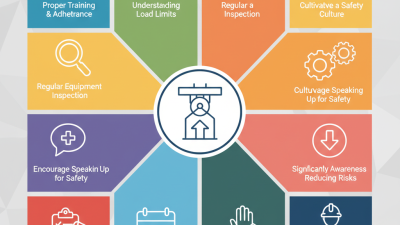
When utilizing scaffold hoists in construction, it is crucial to adhere to safety standards and regulations. These guidelines are designed to protect workers during lifting operations. Many workers overlook the importance of
regular equipment inspections. Hoists should be checked frequently for wear and tear, ensuring that cables and lift mechanisms are functioning properly. Insufficient maintenance can result in serious accidents.
Employers must also provide training for all operators. Understanding how to use scaffold hoists safely is essential. Some workers might think they can figure it out on the job, which can lead to dangerous practices and injuries. Familiarity with emergency procedures is just as important. Workers should know what to do if a lift fails or if someone gets injured.
Furthermore, proper load limits must always be observed. Overloading a hoist can cause equipment failure. Many construction sites still experience accidents due to this common oversight. It's important to gauge the load accurately and make adjustments based on conditions.
Safety should never take a back seat in construction practices. Each step toward compliance can make a significant difference in ensuring a safer work environment.