Best Scaffold Lift Options for Efficient Construction Projects?
In the fast-paced world of construction, efficient equipment is crucial. A Scaffold Lift can significantly enhance productivity on job sites. This essential tool helps workers reach greater heights safely and quickly. With various options available, selecting the right Scaffold Lift becomes a vital task.
Understanding your project’s needs is key to making the best choice. Factors such as lift height, weight capacity, and portability must be considered. Not all Scaffold Lifts are created equal. Some may excel in stability, while others may prioritize ease of use. The right choice can drastically reduce downtime and enhance safety.
Investing in a quality Scaffold Lift is not just about initial cost. Consider long-term reliability and maintenance. A well-chosen lift can withstand rigorous use, while others may fall short. In a demanding construction environment, even small inefficiencies can lead to substantial delays. The challenge lies in finding a balance between cost and performance, ensuring a smooth construction process.
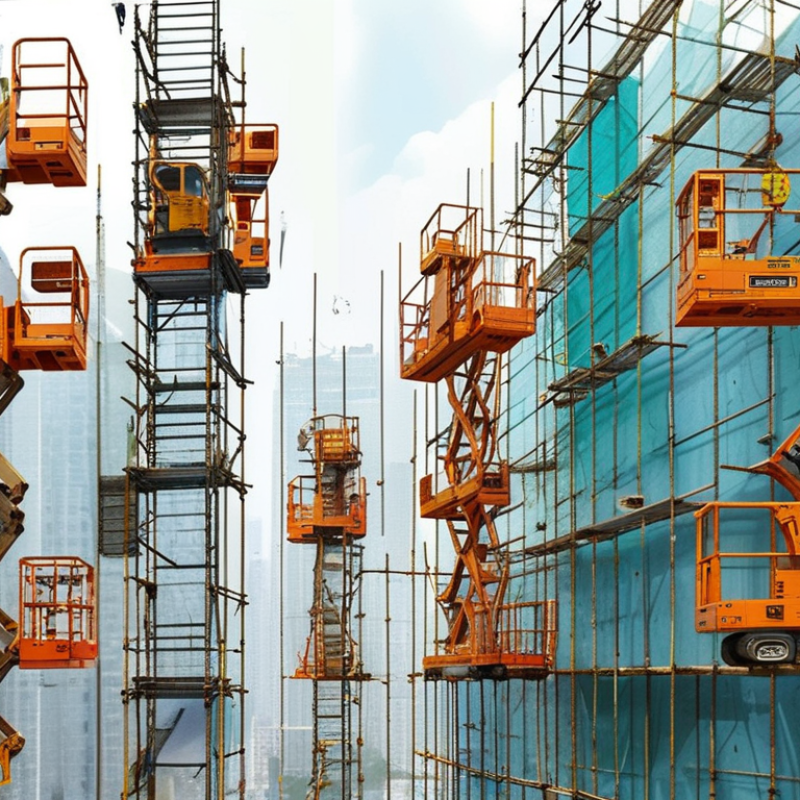
Factors to Consider When Choosing Scaffold Lifts for Construction
When selecting scaffold lifts for construction projects, several factors require careful consideration. The lift's capacity plays a crucial role in ensuring it can support both workers and materials efficiently. A higher weight limit allows for versatility on the job site, accommodating various tasks. Safety features, such as guard rails and emergency stop buttons, are also vital to minimize risks.
It’s essential to evaluate your project’s specific needs. For example, height requirements vary. Know how high you need to reach. Consider whether the scaffold lift can adjust easily. Portability can be another critical feature; a unit that is easy to transport saves time and labor.
Tips: Always check for compliance with safety regulations before finalizing your choice. A thorough inspection of the lift before use can prevent accidents. Don't overlook maintenance; regular checks are crucial for reliability. Investing time in understanding your options will enhance overall project efficiency.
Types of Scaffold Lifts: An Overview of Available Options
Scaffold lifts are crucial in modern construction projects. They enhance safety and efficiency, allowing workers to access heights with minimal risk. The market has various options to suit different project needs. A study by the Occupational Safety and Health Administration (OSHA) highlights that using scaffold lifts can reduce fall incidents by up to 50%.
There are several types of scaffold lifts available. Among them are powered lifts, which provide easy vertical movement and can be operated by a single worker. Another option is the manual lift, which may require more labor but is often less costly. According to industry data, powered lifts are preferred for larger projects where time efficiency is vital. However, manual lifts are still a practical choice for smaller jobs.
It's worth noting that while scaffold lifts enhance productivity, they require proper training. A survey from the National Safety Council suggests that 30% of scaffold-related accidents stem from inadequate training. Thus, ensuring that workers are well-versed in safety protocols is essential. The choice of the right scaffold lift can influence a project's success, but it must be paired with effective training and oversight.
Best Scaffold Lift Options for Efficient Construction Projects
Key Features of High-Performance Scaffold Lifts for Efficiency
When choosing scaffold lifts for construction projects, efficiency is key. High-performance scaffold lifts should have specific features that boost productivity. Durability is one such feature. Lifts made from strong materials can withstand harsh job site conditions. This reliability reduces downtime for repairs, ultimately saving time and resources.
Another critical aspect is ease of use. A user-friendly control system can make all the difference. Operators should be able to quickly raise or lower the lift without confusion. Safety features are equally important. Emergency brakes and stabilizers help prevent accidents, ensuring workers feel secure.
However, it’s important to reflect on limitations. Some lifts may be heavy, affecting portability. Maneuvering in tight spaces can also present challenges. Evaluating these factors helps in making informed decisions. Continuous improvement in scaffold lift design is essential for meeting the evolving needs of the construction industry.
Safety Standards and Regulations for Scaffold Lift Usage
Scaffold lifts are essential for various construction tasks. However, using them safely is paramount. Adhering to safety standards protects workers on-site. The Occupational Safety and Health Administration (OSHA) outlines crucial regulations for scaffold lift usage. Operators must receive proper training. This ensures everyone understands the equipment and safety protocols.
Regular inspections are vital. Before each use, check for damage and ensure all components function correctly. Inspect guardrails, brakes, and wheels. Neglecting this step can lead to severe accidents. Always maintain a clean work environment around the lift to prevent obstacles.
Tip: Always wear safety gear when operating scaffold lifts. This includes helmets and harnesses. Encourage team members to communicate about their positions. Clear communication can prevent falls and accidents.
Be aware that even experienced operators can overlook details. Regular refresher courses can help maintain safety awareness. Evaluate procedures periodically for improvements. Keep a safety log to track incidents or near misses. This practice promotes a culture of safety on construction sites.
Maintenance Tips for Prolonging the Life of Scaffold Lifts
Scaffold lifts are essential for any construction project. They help workers reach heights safely and efficiently. However, without proper maintenance, these lifts can degrade quickly. Here are some maintenance tips to prolong their life.
Regular checks should be part of your routine. Inspect the lift for signs of wear and tear. Look out for any unusual sounds during operation. These can be early warning signs of larger issues. Clean the lift regularly to prevent dirt buildup. Dust and debris can affect functionality and safety.
Always follow the manufacturer’s guidelines for service intervals. Change hydraulic fluids and replace worn parts as needed. Document maintenance activities to track performance over time. This can help identify patterns that may indicate larger problems. Lastly, ensure operators are trained to handle lifts properly. Misuse can lead to costly repairs or safety incidents.