How to Choose the Right Scaffold Lift for Your Project?
Choosing the right Scaffold Lift for your project requires careful consideration. Industry expert Mike Reynolds emphasizes, "A proper scaffold lift can make or break your job efficiency." Selecting the right equipment ensures safety and productivity on site.
Scaffold Lifts come in various types, each suitable for different tasks. Understanding the project requirements is vital to choose wisely. Factors like height, weight capacity, and terrain types must influence your decision. A common misconception is that all lifts serve the same purpose. This is not true, and making an uninformed choice can lead to issues.
Many workers overlook these details. This can lead to accidents, delays, and increased costs. It’s essential to reflect on your project's specific needs. Consider equipment specifications carefully. Doing so will result in a safer and more effective work environment.
Understanding Scaffold Lifts and Their Functionality
Scaffold lifts are essential tools in construction projects. They enhance safety and efficiency. Understanding their functionality is crucial for making the right choice. These lifts are designed to elevate workers and materials to various heights. Typically, they have platforms that can hold several workers. Depending on the model, capacities can differ significantly.
When evaluating scaffold lifts, consider their operational features. Some lifts are powered, offering faster elevation. Others rely on manual cranking, which may be more labor-intensive. It’s important to reflect on your project’s needs. High-rise buildings may require different lifts than small-scale renovations. Look for stability features. Some lifts can wobble if not properly set up. This poses safety risks.
Also, take size and portability into account. A heavy lift may be durable, but difficult to transport. This can slow down progress on smaller job sites. Assessing these factors helps ensure the scaffold lift suits the project requirements. Balancing safety and functionality will lead to better outcomes. Consider all angles before making a choice.
Types of Scaffold Lifts: Choosing the Right Option for Your Needs
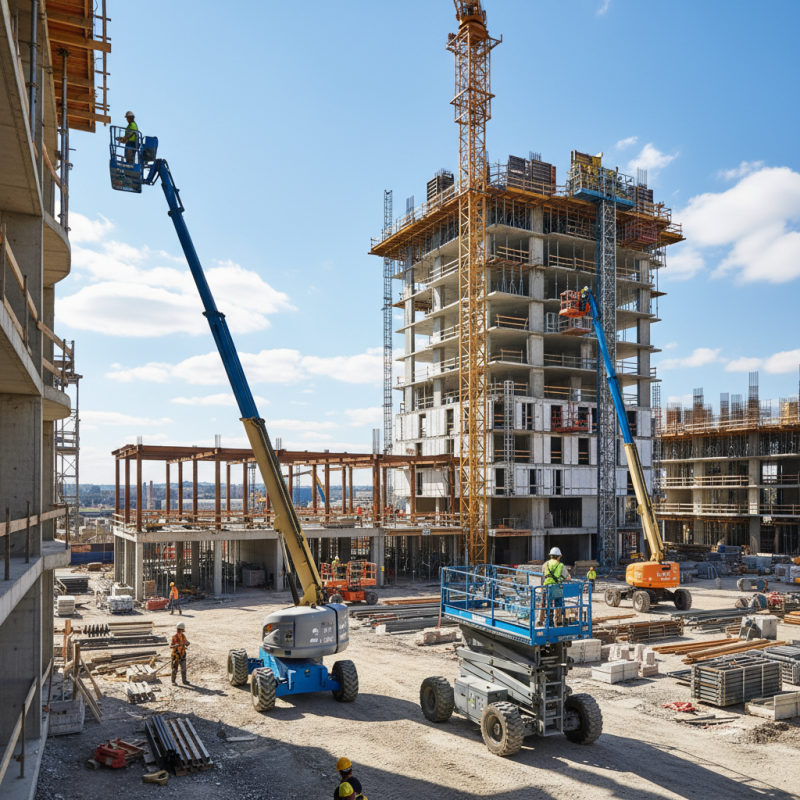
Choosing the right scaffold lift involves understanding different types available. Each type serves unique purposes. For example, a push-around scaffold lift is ideal for indoor projects. It’s lightweight and easy to maneuver in tight spaces. These lifts are perfect for tasks such as painting or installing ceiling tiles.
On the other hand, a rough terrain scaffold lift is built for outdoor projects. It features larger wheels and a sturdier frame. This option handles uneven surfaces effectively. If your project involves construction on a job site, this is a reliable choice. However, proper training is essential for safe operation. Many users underestimate the importance of this step.
Keep in mind the weight capacity of each lift. Overloading a scaffold lift can lead to accidents. It’s crucial to assess the materials you'll be using. Reflect on the height you need. Choosing a lift that reaches your required height while maintaining stability is vital. By considering these factors, you can make an informed decision that enhances both productivity and safety on-site.
Evaluating Your Project Requirements for Scaffold Lift Selection
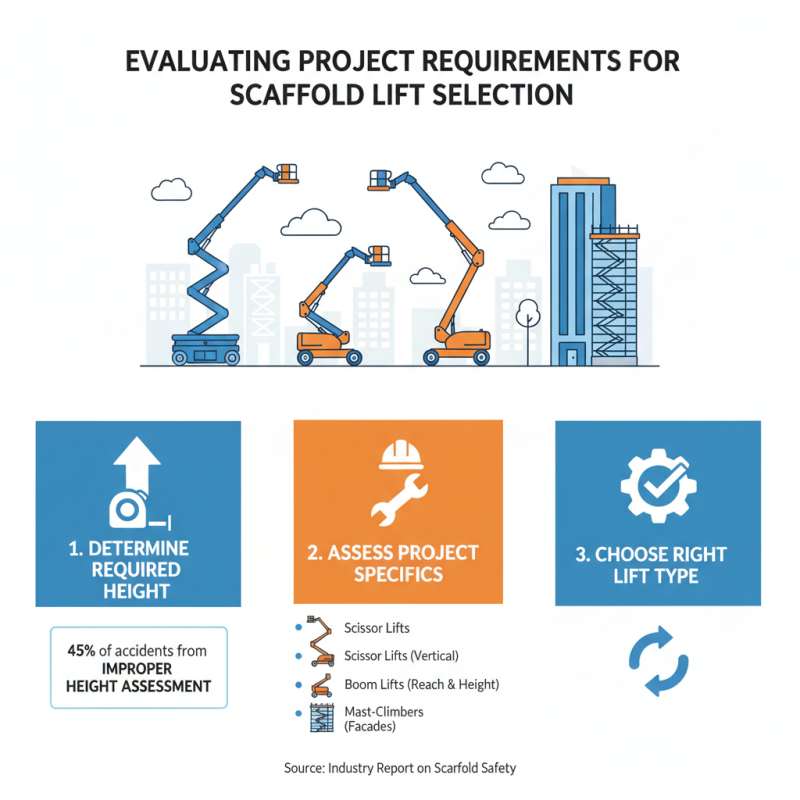
When selecting a scaffold lift, evaluating your project requirements is crucial. Understanding the specifics of your project will dictate the type of lift that suits your needs. For instance, consider the height you need to reach. A recent industry report suggested that about 45% of scaffold-related accidents occur due to improper height assessment. This statistic highlights the importance of correctly determining how high you’ll be working.
Weight capacity is another key factor. Construction projects often handle heavy materials. A scaffold lift should support the maximum load without risk. According to data from the Scaffold & Access Industry Association, selecting lifts that can hold at least 1.5 times your expected load significantly reduces the chance of failure.
Think about the working environment too. Will it be indoors or outdoors? Are there potential obstructions? These factors affect the mobility and maneuverability of the lift. Projects in congested areas may require more compact models, whereas open spaces allow for larger options. Balancing these aspects can lead to better productivity and safety, reducing risks inherent in construction tasks. Moreover, reflect on your team’s experience level with scaffold lifts, as this can influence operational efficiency and safety measures.
Key Safety Features to Consider in Scaffold Lifts
When selecting a scaffold lift, safety features should be a priority. Ensure the lift has guardrails to protect workers from falls. Stability is crucial, so look for models with adjustable outriggers. These features enhance balance on uneven surfaces.
Tip: Always inspect the scaffold lift before use. Check for any visible damage or wear. This simple step can prevent accidents on site.
Another key feature is the emergency stop button. It should be easily accessible, allowing quick action in case of an emergency. Adequate safety harness points are also essential. Workers should wear proper harnesses secured to these points.
Tip: Train your team on safety procedures. Regular training sessions build awareness and can reduce the risk of injuries. Consistent reminders about safety can ensure everyone remains vigilant.
Budgeting and Cost Considerations for Scaffold Lifts
When planning a project involving scaffold lifts, budget is a crucial factor. You need to assess both initial costs and ongoing expenses. The price of scaffold lifts can vary widely based on their type and specifications. Basic models are typically cheaper, but they may not offer the height or support you need. Investing in quality can save you money in the long run.
Consider maintenance costs as well. Regular servicing is essential for safety and longevity. Choose models that are easy to maintain, as complicated systems can lead to higher service bills. Additionally, if your project spans several months, think about rental expenses versus purchasing. Renting may seem economical initially, but costs can accumulate quickly.
Always have a buffer in your budget. Unexpected issues often arise on-site, impacting costs. For instance, if you require extra safety features, this could increase your expenses. Planning for contingencies will help you avoid financial stress. Make sure to evaluate your options and consult with professionals if needed. Getting expert advice can help you make informed decisions.
Scaffold Lift Cost Comparison by Type