China Top Forklift Hydraulic Scale Benefits and Applications Explained
The forklift industry is evolving rapidly, with a focus on accuracy and efficiency. A key innovation is the Forklift Hydraulic Scale. This device integrates weighing capabilities directly into forklifts, providing real-time weight data during loading and unloading. According to a recent report from Market Research Future, the global forklift market is expected to grow significantly, projected to reach $56 billion by 2025. Increased demand for precision in material handling drives this growth.
Implementing a Forklift Hydraulic Scale can lead to greater operational efficiency. It helps prevent overloading and reduces equipment wear. A study published in the Journal of Industrial Engineering revealed that businesses adopting hydraulic scales reported a 15% decrease in loading times. However, companies must ensure proper training for operators to maximize advantages. Lack of understanding may lead to misuse, which diminishes effectiveness.
Incorporating Forklift Hydraulic Scales presents opportunities but also challenges. While they enhance performance, companies should also be aware of maintenance needs and calibration requirements. Regular checks are essential for sustained accuracy. Relying solely on technology can lead to complacency, so ongoing training is vital to fully leverage these tools in the workplace.
Overview of Forklift Hydraulic Scales in China
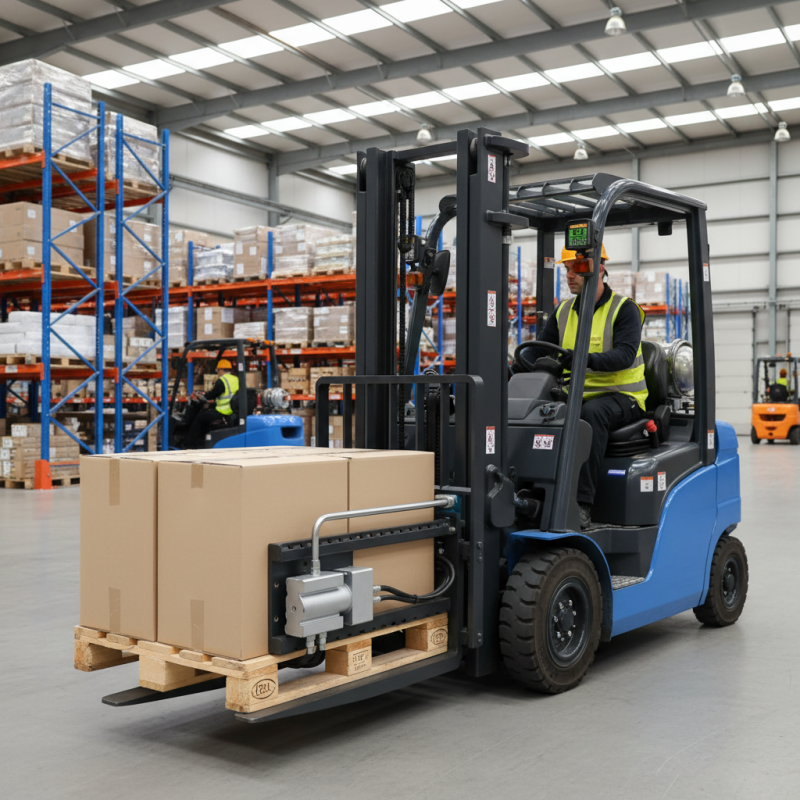
Forklift hydraulic scales are crucial in China's industrial landscape. These devices combine weighing capabilities with forklifts to automate the loading and unloading process. This integration significantly enhances operational efficiency. The demand for accurate weight measurements in logistics drives forklift hydraulic scale adoption in various sectors, including manufacturing and construction.
In recent reports, it was noted that accurate weight measurement can reduce shipping errors by up to 30%. This statistic underlines the importance of investing in quality hydraulic scales. Businesses save time and costs when they avoid overloading or underloading shipments. Yet, some companies still struggle with outdated systems. It’s crucial to assess technology periodically to ensure maximum efficiency.
**Tip:** Regular calibration of hydraulic scales is essential for accuracy. A well-calibrated scale can ensure compliance with regulations, safeguarding against potential fines.
Additionally, forklift hydraulic scales improve safety. With precise weight measurements, operators can better manage loads, reducing the risk of accidents. However, training is often overlooked. Ensuring staff are well trained in operating these scales can enhance overall safety and productivity in the workplace.
**Tip:** Incorporate regular training sessions for operators. Improved operator knowledge leads to more effective and safe equipment use.
China Top Forklift Hydraulic Scale Benefits and Applications Explained
| Feature |
Description |
Applications |
| Accuracy |
High precision weighing capabilities ensuring minimal error rates. |
Warehouse inventory management, shipping and logistics. |
| Durability |
Robust construction to withstand heavy loads and harsh environments. |
Manufacturing plants, construction sites. |
| Ease of Use |
User-friendly interface with digital displays for easy reading and operation. |
Retail environments, logistics management. |
| Portability |
Lightweight and designed for easy transportation between locations. |
Outdoor operations, various warehouse setups. |
| Integration |
Compatible with other systems for seamless workflow integration. |
Automated inventory systems, online order processing. |
Key Benefits of Using Hydraulic Scales in Forklift Operations
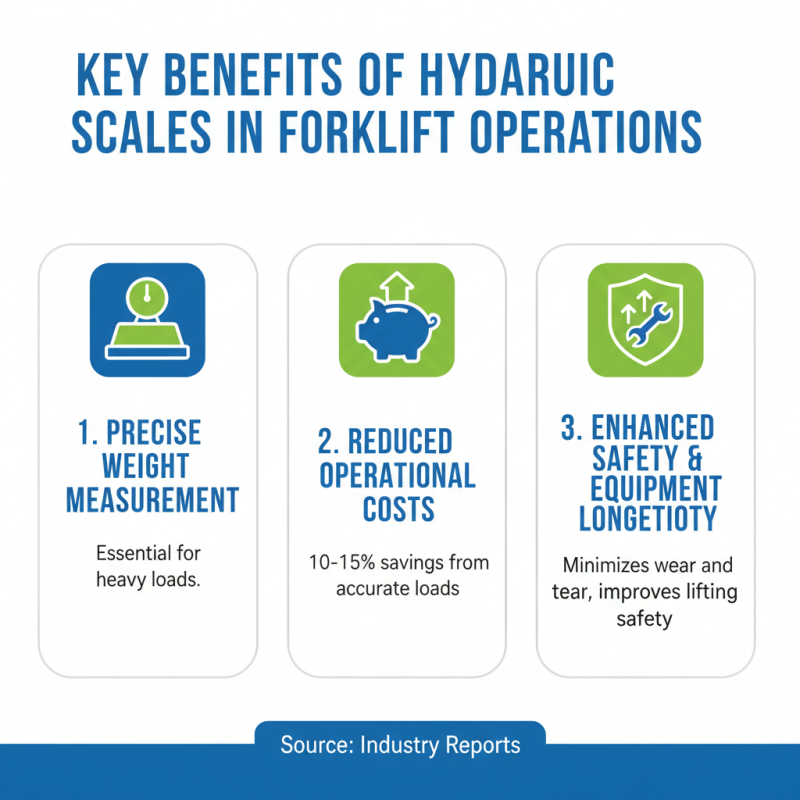
Hydraulic scales in forklift operations bring remarkable benefits. They ensure precise weight measurement, which is essential in industries that handle heavy loads. According to industry reports, accurate load weights can reduce operational costs by 10% to 15%. This efficiency minimizes wear and tear on forklifts and enhances safety during lifting.
In warehouse settings, proper weight distribution is critical. Hydraulic scales help prevent overloads, which can lead to accidents. Overloading forklifts can strain machinery and increase the risk of workplace injuries. Studies indicate that companies utilizing hydraulic scales report a 20% decrease in workplace incidents. This is a significant statistic for promoting health and safety.
However, it's important to reflect on the integration of these scales. Some operators may face challenges during installation or calibration. If not done correctly, inaccuracies may occur. Regular maintenance and training become necessary to uphold scale reliability. Ensuring staff are well-informed can create a smoother operation, leading to long-term benefits.
Applications of Hydraulic Scales Across Various Industries
Hydraulic scales are increasingly used across various industries. They offer precise weight measurements that improve operational efficiency. In logistics, these scales streamline loading and unloading processes. Workers can weigh loads without moving them. This reduces time and labor costs significantly.
In manufacturing, hydraulic scales help ensure quality control. By weighing materials, companies can maintain standards and minimize waste. However, improper calibration can lead to inaccuracies. Regular maintenance and training for staff are essential to avoid errors. With proper use, these scales enhance productivity and safety.
The agricultural sector also benefits from hydraulic scales. Farmers can weigh produce directly on-site. This is crucial for pricing and supply chain decisions. Yet, weather conditions can impact scale performance. Taking these factors into account is vital for optimal functionality. Industries must continuously evaluate their systems to maximize the advantages of hydraulic scales.
Comparison of Hydraulic Scales with Traditional Weighing Methods
Hydraulic scales are changing the material handling industry. They offer several advantages over traditional weighing methods. One major advantage is efficiency. With hydraulic scales, weight measurements happen instantly while moving. Reports indicate that companies can improve productivity by up to 30% by integrating hydraulic scales into their operations.
In contrast, traditional weighing methods often require downtime. Weighing items separately can consume valuable time. Furthermore, manual data entry increases the risk of human error. A survey showed that 25% of discrepancies in inventory are due to inaccuracies in traditional weighing. The precision of hydraulic scales helps in maintaining accurate inventory records.
**Tips:**
Consider integrating a hydraulic scale into your workflow. Observe your operation's loading and unloading times to understand potential gains. Regular maintenance is essential for these scales to ensure reliability and longevity. Be mindful that while hydraulic scales are advantageous, they also have limitations, such as requiring regular calibration and potential hydraulic fluid leaks that could lead to inaccuracies. Always weigh the pros and cons carefully.
Comparison of Hydraulic Scales and Traditional Weighing Methods
Future Trends in Forklift Hydraulic Scale Technology and Innovation
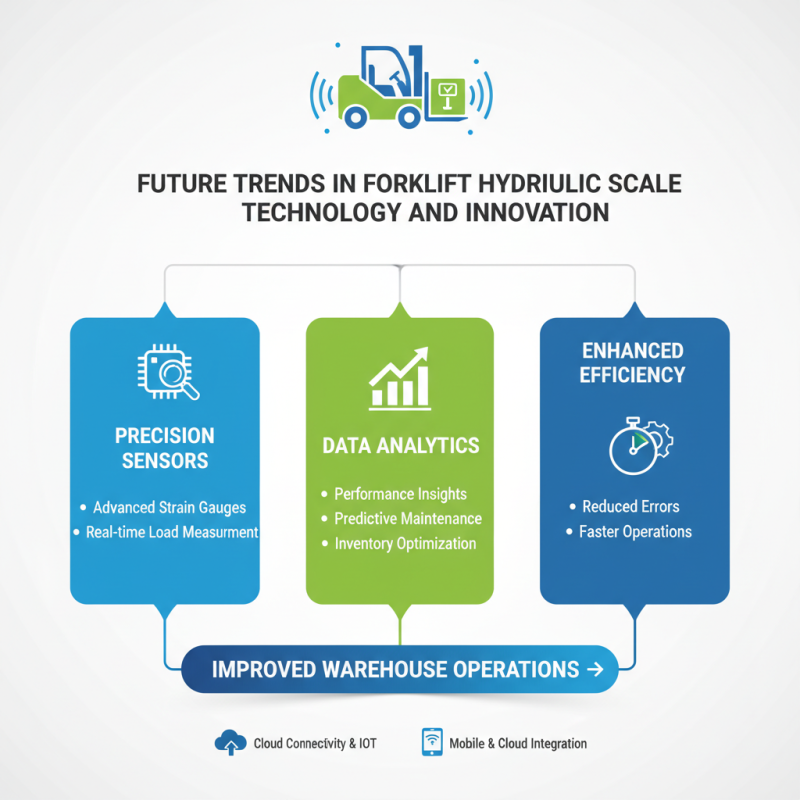
The future of forklift hydraulic scales is bright, with technology evolving rapidly. Innovations in sensor technology are making these scales more precise. Enhanced data analytics features are now commonplace, allowing operators to gain deeper insights. These developments lead to improved efficiency in warehouse operations.
Environmental concerns are also shaping future trends. Manufacturers are focusing on eco-friendly materials and energy-efficient designs. The emphasis is on sustainability without compromising performance. Yet, challenges remain. Integration with existing systems can be complex, leading to potential disruptions in daily operations.
Automation is another exciting area. Smart forklift scales equipped with AI can predict load weights and optimize routes. However, reliance on automation raises questions about skilled labor. Are workers being replaced, or can they focus on more critical tasks? The balance between technology and human input needs careful consideration.