How to Choose a Movable Hydraulic Lift?
Choosing a Movable Hydraulic Lift is not simply a question of lifting capacity or purchase price. It is a safety and workflow decision. In a busy workshop, technicians may move the lift across uneven concrete, position it beside a low vehicle, and repeat this task several times daily. A useful choice must match the vehicle range, available floor space, and real working habits.
Industry research shows continued demand for vehicle lifting equipment. Grand View Research and Fortune Business Insights both identify automotive service equipment as a growing market, although their market definitions and forecasts differ. That difference deserves attention. Market size alone cannot prove product quality. Technical evidence matters more. Look for rated capacity, minimum and maximum lifting heights, hydraulic pressure specifications, locking mechanisms, and documented load testing. ANSI/ALI ALCTV standards can help buyers assess vehicle-lift safety and certification practices. OSHA guidance also stresses stable positioning, routine inspection, and proper training around lifting equipment.
Experience often reveals details that brochures omit. Check whether the wheels roll smoothly over your actual floor. Test the emergency lowering system. Measure the lift with a vehicle already parked nearby. A compact Movable Hydraulic Lift may save space, yet its narrow frame could limit access to certain vehicles. Battery-powered models can reduce cable hazards, but battery replacement costs may be underestimated. Ask for maintenance intervals, spare-part availability, warranty terms, and service records. Do not rely on impressive photographs. A sensible decision compares verified specifications with daily use, then leaves room for honest doubt. The cheapest lift may become the most expensive choice when downtime, training, and repairs are included.
Understanding the Purpose and Types of Movable Hydraulic Lifts
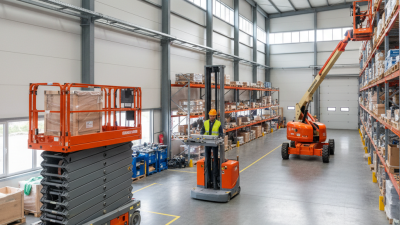
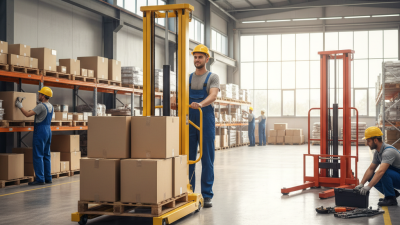
A movable hydraulic lift is designed to raise loads where fixed lifting equipment is impractical. Its purpose may be vehicle servicing, warehouse handling, equipment positioning, or temporary work access. A clear purpose prevents costly over-selection. For example, a lift table suits boxed materials, while a mobile column lift better supports vehicle maintenance. Think about the load’s shape, weight, lifting height, and movement frequency.
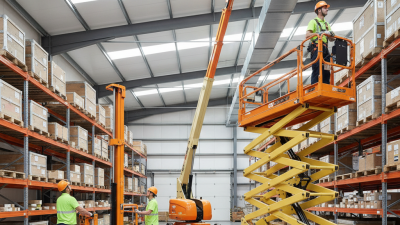
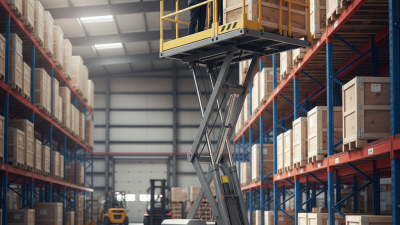
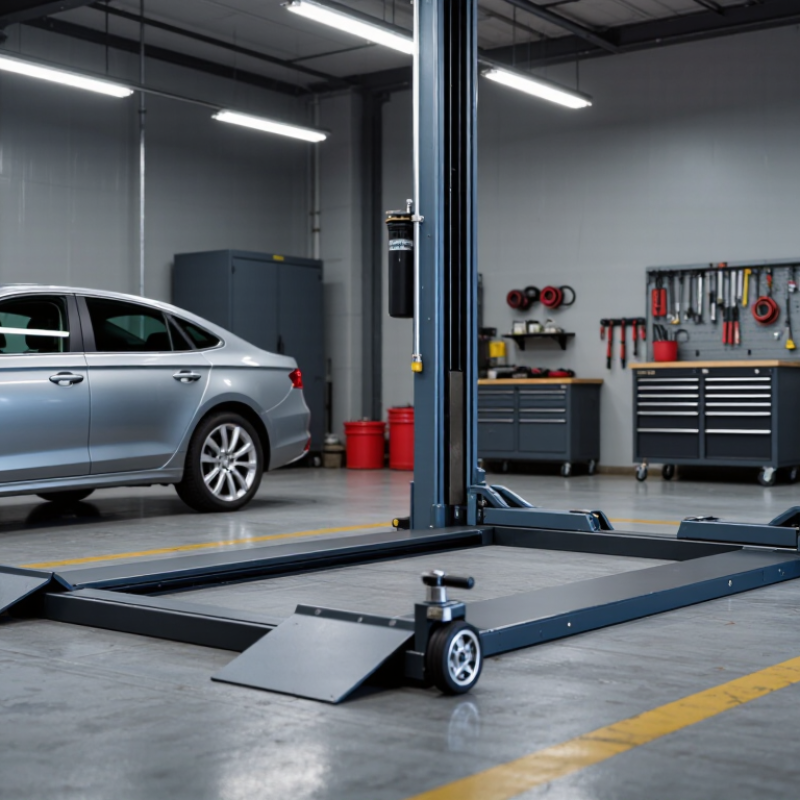
Several types serve different working conditions. Scissor lifts provide a broad, stable platform for pallets or machinery. Their crossed arms fold beneath the platform, saving space when lowered. Mobile lift tables usually include casters and a foot pump or powered hydraulic system. They work well beside packing stations and narrow aisles. Mobile column lifts use separate columns that move with the vehicle, offering flexible access during service work. They require careful positioning on a level, strong floor.
Capacity is only one part of the decision. Check the minimum height, maximum height, platform size, wheel locks, emergency lowering system, and maintenance access. In practical use, small casters may roll poorly across cracks or metal thresholds. That detail is easy to overlook. Operators should inspect hoses, pins, welds, and hydraulic leaks before each shift. The safest model is not always the largest one. Oversized equipment can reduce maneuverability, increase costs, and create blind spots. A written risk assessment and the manufacturer’s technical data should guide the final selection.
Assessing Load Capacity, Lifting Height, and Platform Dimensions
How to Choose a Movable Hydraulic Lift?
A movable hydraulic lift should match the real load, not only the advertised maximum. Check the combined weight of equipment, materials, and workers. Add a practical safety margin. A lift rated for 1,000 kilograms may be unsuitable when the load shifts during movement. Center the load over the platform. Uneven weight can reduce stability and increase stress on the hydraulic system. In field inspections, this detail is often overlooked.
Lifting height requires equal care. Measure the lowest and highest working points before choosing a model. Consider ceiling clearance, door openings, and the height needed for maintenance access. A lift that rises high enough may still be inconvenient if it cannot pass through the workspace. Platform dimensions matter too. The surface should support the full footprint without forcing equipment near the edges. Larger platforms improve flexibility, but they can reduce maneuverability in narrow areas.
Tips: Write down the heaviest load and its dimensions. Measure the route, not just the destination. Check the rated capacity at the intended lifting height. Confirm that wheels, locks, and controls suit the floor condition. Leave space for safe positioning. A perfect selection is rare. Recheck your measurements before purchase, because one small error can affect daily operation.
How to Choose a Movable Hydraulic Lift?
Comparing typical movable hydraulic lift categories by rated load capacity, maximum lifting height, and platform size
Select a lift with a rated capacity above the heaviest intended load, allowing additional safety margin for uneven weight distribution.
Lifting height should match the required working position, while platform dimensions must provide enough support for the load without exceeding the lift’s rated capacity.
Comparing Mobility, Stability, and Workspace Requirements
How to Choose a Movable Hydraulic Lift?
Mobility should match the workspace, not simply look convenient. Measure door widths, floor slopes, turning areas, and the lift’s loaded path. A compact lift may move easily, but small casters can struggle over cracked concrete. The U.S. Bureau of Labor Statistics recorded 1,942 workplace transportation fatalities in 2022. That figure includes many transport situations, not only lift operations. Still, it shows why movement deserves careful planning.
Stability becomes critical after positioning. Check the manufacturer’s rated capacity, wheel-locking method, platform height, and required floor strength. Place the lift on clean, level flooring whenever possible. Keep the load centered between the columns or supports. Workspace requirements also include ceiling clearance, operator access, lighting, and emergency lowering access. A wider platform can improve comfort, yet it may reduce maneuverability. I would not assume the largest model is safest. A site-specific assessment is more reliable than a catalogue photograph.
Tips: Record the heaviest intended load, its center of gravity, and the narrowest route. Test the route unloaded first. Then perform a controlled trial with a secured test load. Review inspection guidance in applicable ASME and OSHA materials. Ask a qualified technician to verify hydraulic hoses, locks, and structural points before regular use. Small oversights remain possible, especially in busy workshops.
Checking Hydraulic Systems, Safety Features, and Operating Controls
How to Choose a Movable Hydraulic Lift?
A movable hydraulic lift should be judged by more than lifting capacity. Start with its hydraulic system. Inspect the cylinder, hoses, fittings, and reservoir for leaks, cracks, or unusual wear. Ask whether the pump provides smooth, stable movement under different loads. A jerking platform often signals trapped air, contamination, or poor maintenance. I have learned that a clean exterior can mislead, so request service records and a practical demonstration.
Safety features deserve close attention. Look for mechanical locks, overload protection, emergency lowering, and anti-slip platform surfaces. Wheels should lock firmly before lifting begins. The lift should also remain stable on the intended floor, even when the load is slightly off-center. Operating controls must be clear and responsive. A guarded emergency-stop button, dead-man control, and visible load indicators reduce mistakes. Test the controls while standing where the platform remains visible. Poor visibility creates avoidable risk.
Tips: Check the oil level and hose connections before every shift. Listen for pump noise. Never rely only on automatic protection. Match the lift to your actual load, not an optimistic estimate. I would also test the emergency-lowering function, because it is easy to overlook during routine inspections. Even experienced operators miss small warning signs. A written inspection checklist helps, although it should be reviewed when working conditions change.
Evaluating Maintenance Needs, Compliance, and Total Ownership Cost
Choosing a movable hydraulic lift requires more than checking its maximum load. In field assessments, I inspect the floor, wheel locks, lifting points, and emergency lowering system before discussing price. A lift that moves easily on a showroom floor may behave differently on uneven concrete. That matters. Confirm the rated capacity, platform dimensions, and stability under the loads your technicians actually handle.
Maintenance needs should be visible and practical. Ask how often operators must inspect hoses, fittings, seals, locking devices, and hydraulic fluid. Look for accessible service points and clear inspection records. Small leaks can become serious downtime, especially in dusty workshops. Keep records. Do not guess. A realistic maintenance plan should include trained operators, scheduled inspections, replacement parts, and a safe method for isolating stored hydraulic pressure. I have seen teams underestimate cleaning time because the lift looked mechanically simple.
Compliance also affects total ownership cost. Request manuals, load-test documentation, risk assessments, and applicable conformity records for your region. Requirements may cover guarding, operator training, emergency controls, and periodic inspections. Verify them with a qualified safety professional or local authority. A low purchase price can mislead. Calculate delivery, installation, floor preparation, training, inspections, energy use, consumables, repairs, and lost productivity. Include downtime during seal replacement. Leave room for unexpected costs; real equipment rarely follows the spreadsheet perfectly. Evaluate warranty terms carefully, especially response times and service coverage.