What Is a Forklift Hydraulic Scale and How Does It Work?
A Forklift Hydraulic Scale combines lifting equipment with an onboard weighing system. It estimates load weight through hydraulic pressure in the forklift’s lifting circuit. When the forks raise a pallet, pressure changes inside the hydraulic system. Sensors detect this change and convert it into a weight reading.
The process seems simple. It is not always exact. Load position, mast angle, oil temperature, and uneven ground can affect the result. A pallet close to the backrest may produce a different reading from one placed near the fork tips. Operators should keep the forks level and lift smoothly for more consistent measurements. Small details matter.
In practical warehouse work, this system can reduce repeated trips to a platform scale. It may also support inventory checks, shipping preparation, and weight verification. However, it should not replace proper calibration or documented weighing procedures when accuracy is critical. Manufacturers usually recommend routine inspections, sensor checks, and calibration under known loads. Following those instructions improves confidence and protects the equipment.
This guide explains how the system works, what components influence its performance, and where its limitations appear. It also considers installation, daily operation, and maintenance from a practical viewpoint. Some readings may look convincing but still require verification. That is worth remembering. A reliable Forklift Hydraulic Scale depends on sound hydraulics, correct setup, trained operators, and regular testing.
Forklift Hydraulic Scales: Definition and Core Purpose
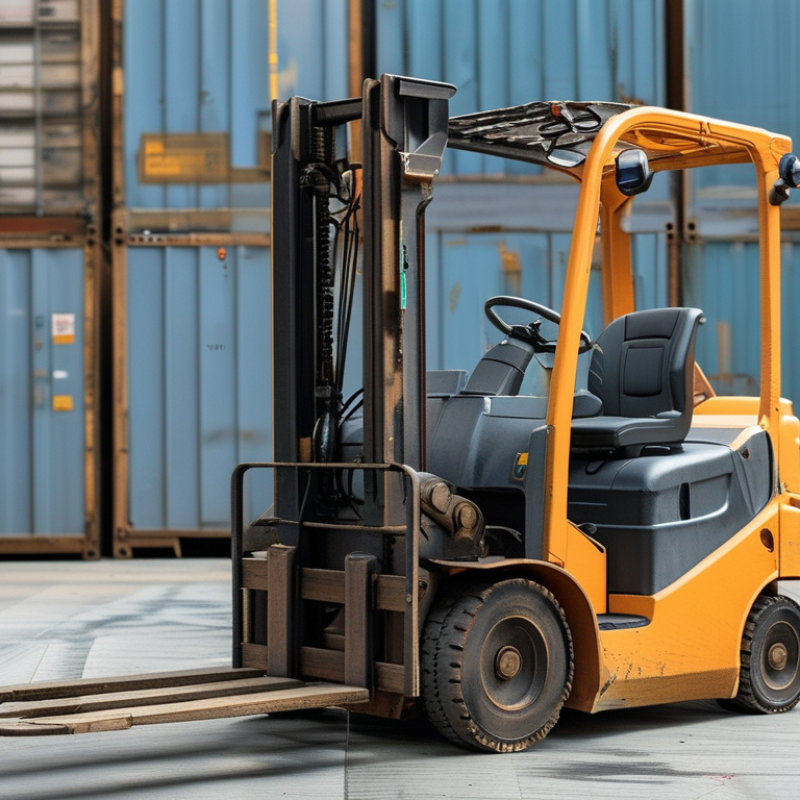
A forklift hydraulic scale is a weighing system built into a forklift’s lifting circuit. It estimates load weight by sensing hydraulic pressure as the forks raise a pallet. The system converts that pressure into a weight reading on a display near the operator. Its core purpose is practical: confirm pallet weight during handling, reduce separate weighing steps, and support safer load planning.
The measurement starts when hydraulic oil pushes the lift cylinders. Heavier loads create greater pressure. However, pressure is not weight by itself. The scale needs calibration for the truck, mast, attachments, and operating conditions. Fork height, load position, oil temperature, and uneven ground can affect the result. A pallet leaning toward the mast may produce a different reading than the same pallet held forward. Small details matter.
OSHA’s Powered Industrial Trucks guidance stresses knowing load weight and rated capacity before lifting. OSHA also reports approximately 85 forklift-related fatalities and 35,000 serious injuries annually in the United States. A hydraulic scale cannot prevent every incident, but it can provide immediate information at the loading point. I would not treat one reading as absolute truth. That is the weak point. Operators should check calibration regularly and compare unusual readings with a certified platform scale. The scale supports judgment; it does not replace the data plate, training, or a stable load.
Main Components of a Forklift Hydraulic Weighing System
What Is a Forklift Hydraulic Scale and How Does It Work?
A forklift hydraulic scale estimates load weight through the lifting system. Its main component is a pressure sensor connected to the hydraulic circuit. When the forks raise a pallet, hydraulic pressure increases inside the lift cylinder. The sensor measures this pressure and sends a signal to the weighing indicator.
The system also includes lift cylinders, hydraulic hoses, control valves, and a digital display. The mast and forks carry the physical load, while the hydraulic circuit transfers force. The indicator converts pressure data into a weight reading. A stable lift height is important for consistent results. Uneven floors, tilted loads, temperature changes, and worn seals can affect accuracy. In practice, no reading is perfectly stable. That detail deserves attention.
Tips: Lift the load slowly and keep the forks level. Stop hydraulic movement before reading the display. Calibrate the system with verified test weights during scheduled inspections. Check hoses for leaks and sensors for loose connections. Record unusual readings instead of ignoring them. A rushed operator may blame the scale too quickly, but the pallet may be shifting. Regular checks improve confidence, although they cannot remove every source of error.
What Is a Forklift Hydraulic Scale and How Does It Work?
A forklift hydraulic scale estimates lifting force by sensing hydraulic pressure in the lift circuit. The measured pressure is calibrated against known loads so the system can display an estimated payload without weighing the load on a separate platform.
Main Components of a Forklift Hydraulic Weighing System
- Hydraulic lift cylinder: Converts hydraulic pressure into lifting force.
- Pressure sensor or transducer: Converts hydraulic pressure into an electrical signal.
- Signal conditioner: Filters and stabilizes the sensor output.
- Controller and display: Applies calibration data and shows the estimated load.
- Calibration system: Compensates for factors such as mast geometry, friction, temperature, and attachment position.
The chart shows exact pressure-unit reference points: 1 MPa equals 10 bar and approximately 145.038 psi. Actual forklift hydraulic pressures and weighing accuracy vary by vehicle design, lift height, attachment, and calibration.
How Hydraulic Pressure Is Converted Into Load Weight
A forklift hydraulic scale estimates load weight through the lifting system’s oil pressure. When a load rises, the mast cylinder needs greater force. That force creates pressure inside the hydraulic circuit. A pressure sensor measures this change near the lift cylinder. The scale uses cylinder area and pressure data to calculate force. Dividing force by gravity gives an estimated mass. It sounds simple. However, the result depends on accurate measurements.
During calibration, technicians lift known weights at specific mast positions. The system records pressure readings and matches them with real loads. This creates a working relationship between pressure and weight. During operation, the display converts each new pressure reading into a load value. A steady lift usually produces the clearest result. Sudden movement can make the number jump.
Hydraulic scales have practical limits. Oil temperature changes viscosity, while seal friction can affect pressure. Mast tilt, uneven floors, and off-center loads may also distort readings. I have seen operators trust a stable display too quickly. A second lift often reveals a different number. That assumption can fail. Regular checks with suitable test weights improve confidence, although they cannot remove every error. The scale supports safer decisions, but it should not replace careful load handling or the forklift’s rated capacity.
The Step-by-Step Weighing Process During Forklift Operation
A forklift hydraulic scale weighs a load while the forks are raised. It uses hydraulic pressure, a pressure sensor, and calibrated software. The system converts pressure into an estimated load weight. According to OSHA, forklift incidents cause about 85 workplace deaths and 34,900 serious injuries annually. Accurate weighing can reduce overload risks, but it cannot replace operator judgment.
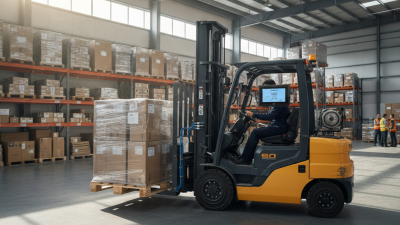
The weighing process begins before lifting. The operator parks on stable, level ground and checks the scale display. The forks should sit evenly under the pallet. The operator then raises the load slowly, usually through a defined measurement range. As hydraulic pressure changes, the sensor records several readings. The indicator averages these readings and displays the calculated weight. The operator confirms the result before moving.
Small errors matter. Cold oil, tilted forks, damaged sensors, or an off-center load can distort the reading. OSHA Standard 1910.178 requires operators to follow rated capacity limits and maintain safe operating conditions. Industry scale guidance commonly recommends regular zero checks and calibration against certified test weights. I would not trust one reading blindly. Repeating the lift can reveal unstable data. The scale measures force, not load quality, pallet damage, or shifting contents. That limitation deserves attention during every forklift operation.
Accuracy Factors, Common Uses, and System Limitations
What Is a Forklift Hydraulic Scale and How Does It Work?
A forklift hydraulic scale estimates load weight through pressure in the lifting system. Sensors measure hydraulic pressure while the forks raise the pallet. Software converts that pressure into a weight reading. Some systems also monitor lift height, because pressure changes as the mast moves. In daily warehouse work, this helps operators check incoming materials, record shipments, and reduce repeated trips to a platform scale.
Accuracy depends on more than the sensor. Load position, fork spacing, mast angle, lift speed, hydraulic temperature, and uneven floors can affect results. A pallet placed near the fork tips may produce a different reading from one held close to the carriage. Regular calibration matters. So does checking the scale with known loads. Field technicians may find small errors after repairs or seasonal temperature changes. It is easy to trust the display too much.
Tips: Keep the mast in the recommended weighing zone. Stop smoothly before reading. Center the load and avoid touching racks or floors. Compare occasional readings with a verified reference weight. Clean sensors and inspect hydraulic components during routine maintenance. If readings drift, record the conditions instead of adjusting settings immediately. The system is useful, but it is not perfect. Hydraulic scales may struggle with moving loads, unstable pallets, rapid lifting, or pressure leaks. They may also lack the precision required for certified commercial weighing.