Top Hydraulic Cargo Lift Solutions from China for Global Buyers?
In the global market, efficiency and reliability are crucial. Hydraulic Cargo Lifts have emerged as essential solutions for various industries. These lifts facilitate the smooth transport of goods between different levels of a facility. From warehouses to manufacturing plants, their applications are vast.
Many buyers seek quality and innovation at competitive prices. China has established itself as a leader in this field. Renowned manufacturers offer a range of hydraulic cargo lift models. Customers appreciate the advanced features and robust designs. However, with numerous options available, making the right choice can be overwhelming.
Understanding the key factors is essential. Buyers should consider lift capacity, safety features, and energy efficiency. Engaging with trusted suppliers can lead to better outcomes. Reliable manufacturers prioritize quality and offer great support. However, not all vendors meet these standards. Thus, due diligence is vital for successful acquisition.
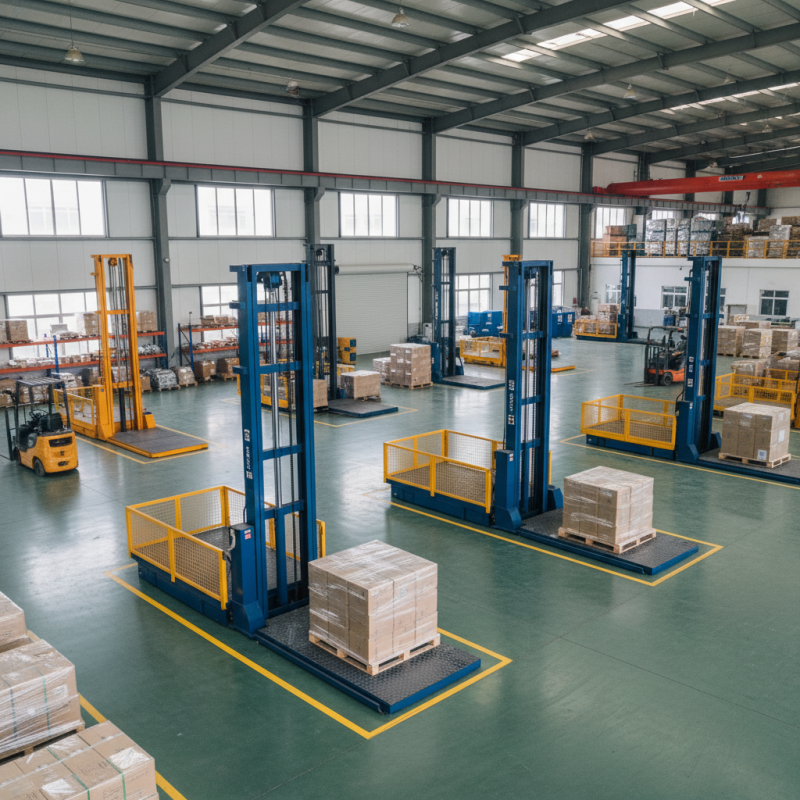
Overview of Hydraulic Cargo Lifts and Their Applications
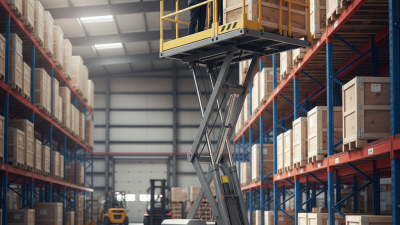
Hydraulic cargo lifts are essential in various industrial applications. They facilitate the movement of heavy goods, significantly enhancing efficiency. These lifts operate by utilizing hydraulic power to raise and lower cargo, which helps minimize human effort and reduces the risk of injury in workplaces.
The global hydraulic lift market has seen remarkable growth. According to industry reports, the market value reached approximately $9 billion in 2021 and is projected to grow at a compound annual growth rate (CAGR) of around 7% through 2028. This growth reflects increased demand in sectors like manufacturing and warehousing. For instance, in logistics, hydraulic lifts improve operational efficiency by permitting faster loading and unloading processes.
Despite their advantages, there are drawbacks. Hydraulic systems require regular maintenance to avoid leaks and potential failures. Furthermore, operational training is essential to ensure that workers can use these lifts safely. Without proper instruction, the risks associated with hydraulic lifts can increase significantly. As companies adopt these technologies, they must address these challenges to fully benefit from hydraulic solutions.
Key Features to Look for in Hydraulic Cargo Lifts
When selecting a hydraulic cargo lift, several key features are essential. Look for lifts with robust load capacities to ensure they can handle heavy cargo. A reliable hydraulic system is crucial for consistent performance. Check the maximum lifting height to ensure it meets your operational needs. Safety features, such as overload protection and emergency stop functions, should be prioritized. These ensure not just worker safety but also the integrity of your cargo.
Maintenance ease is another aspect to consider. A lift that requires minimal maintenance can save time and reduce costs. Also, it is important to assess the power source. Electric lifts are quiet and eco-friendly, while diesel ones may offer power in remote locations. Understanding these distinctions will help you make the right choice.
Tips: Always consult with experts before making a decision. They can guide you based on your specific needs. Additionally, consider your operational environment. Factors like space constraints and weather conditions can influence your hydraulic lift selection. Don't overlook these details, as they can impact efficiency and safety.
Top Hydraulic Cargo Lift Solutions from China for Global Buyers
This chart illustrates some key features of hydraulic cargo lifts available from China, including load capacity, lift height, platform size, and power consumption. These attributes are essential to consider when selecting the right lift solution for various applications.
Top Chinese Manufacturers of Hydraulic Cargo Lifts
China stands out as a global leader in the hydraulic cargo lift market. This growth is driven by increasing demand across various industries. According to recent market reports, China's hydraulic cargo lift market is expected to reach $2.1 billion by 2028, growing at a CAGR of 5.4%. The focus on innovation and technological advancements is a key factor for this expansion.
Several top manufacturers in China have gained recognition for their high-quality hydraulic cargo lifts. They invest heavily in research and development, ensuring compliance with international safety standards. Advanced production methods are employed, enhancing the durability and efficiency of their lifts. However, challenges remain in meeting global demand consistently. The need for regular maintenance and the complexity of diverse lifting applications can lead to downtime, affecting customer satisfaction.
Furthermore, the competitive landscape is constantly evolving. New entrants are introducing cost-effective alternatives, impacting established players. While innovation remains crucial, manufacturers must also focus on sustainability. Balancing ecological responsibility with production efficiency presents an ongoing dilemma. Addressing these challenges will be crucial for maintaining a strong position in the global market.
Comparative Analysis of Hydraulic Cargo Lift Models
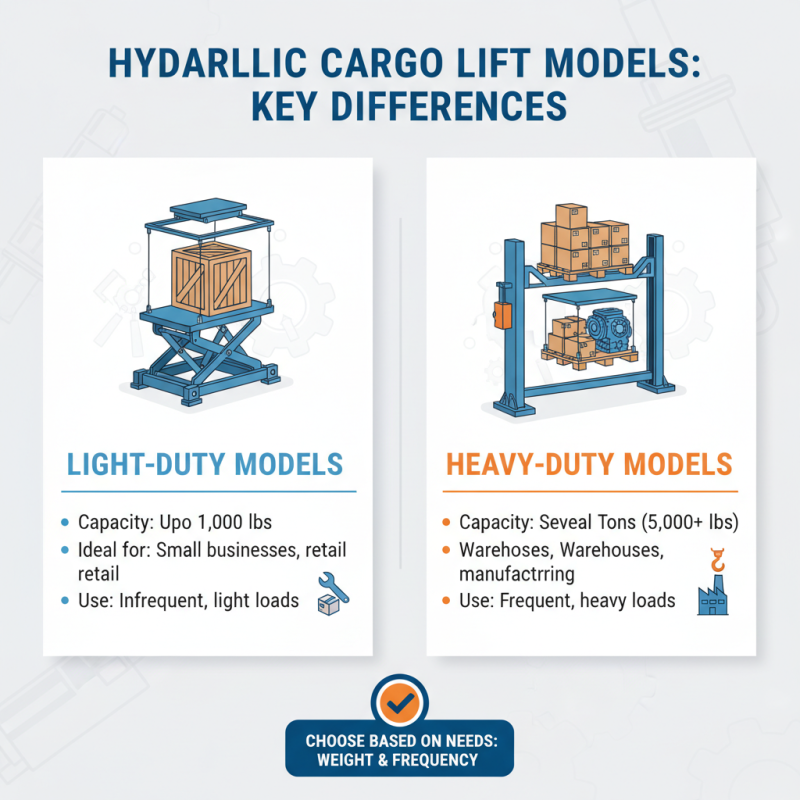
When considering hydraulic cargo lifts, understanding the distinct features of various models is crucial. A key aspect is the lifting capacity. Some models handle lighter loads, while others can lift several tons. Buyers should assess their specific needs based on typical cargo weight and frequency of use. This detail affects the overall choice and satisfaction with the product.
Moreover, the speed of lift operation can vary significantly. Some designs provide rapid lift and lower functions, enhancing efficiency. However, faster models may compromise stability, especially with heavy loads. It’s essential to strike a balance between speed and safety. Choosing a model that optimally combines these factors may require some research and prospective evaluations.
Another consideration is the operational environment. Some hydraulic lifts are built for indoor use, while others are more robust for outdoor conditions. Different materials and finishes impact durability against weather elements. It’s worth noting that not all models are suited for every environment. Buyers might need to rethink their options based on operational surroundings and potential wear over time. Crafting the perfect selection takes time and careful thought.
Buyer Considerations and Import Tips for Global Customers
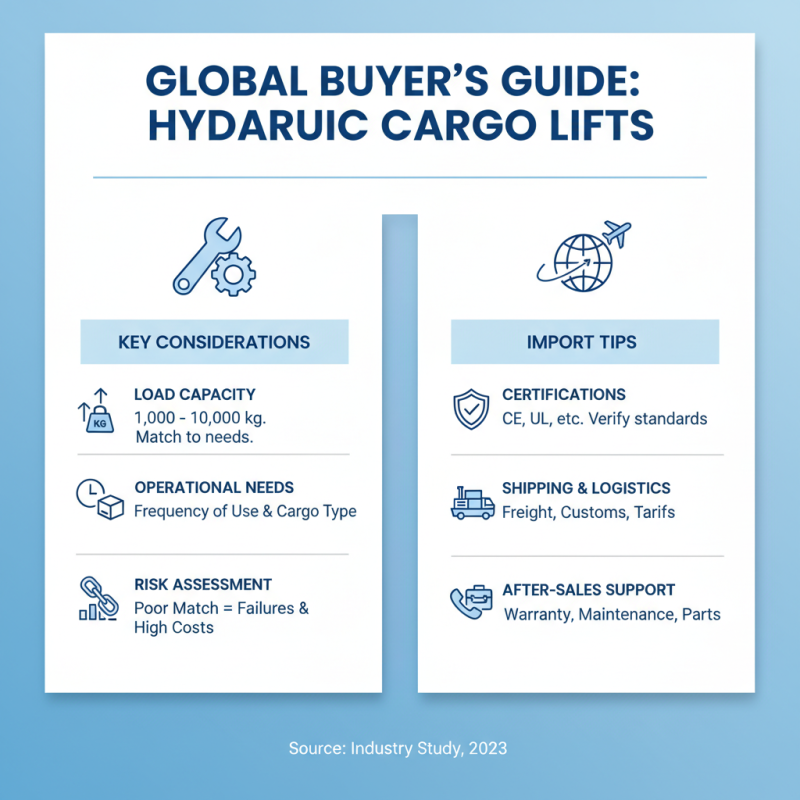
When considering hydraulic cargo lifts, global buyers should assess critical factors. Understanding load capacities is vital; most lifts can handle between 1,000 to 10,000 kg. It’s essential to match the lift with specific operational needs. Buyers must evaluate the frequency of use and the types of cargo being lifted. A detailed study showed that poorly matched lifts can lead to operational failures and increased maintenance costs.
Additionally, safety standards play a crucial role in the selection process. According to industry reports, nearly 30% of lift-related accidents stem from inadequate safety features. Buyers should verify compliance with international safety regulations. Documentation from manufacturers is necessary to ensure reliability. Understanding the warranty offerings and after-sales support is equally important. A lack of support can lead to costly downtimes.
Importing hydraulic cargo lifts from China involves navigating complex regulations. Proper documentation is essential to avoid customs delays. Many buyers overlook the need for thorough inspections before shipment. This step can prevent potential issues upon arrival. Continuous collaboration with suppliers can lead to better outcomes. Regular communication helps in addressing issues proactively.