What is Scaffold Hoists and How Do They Work?
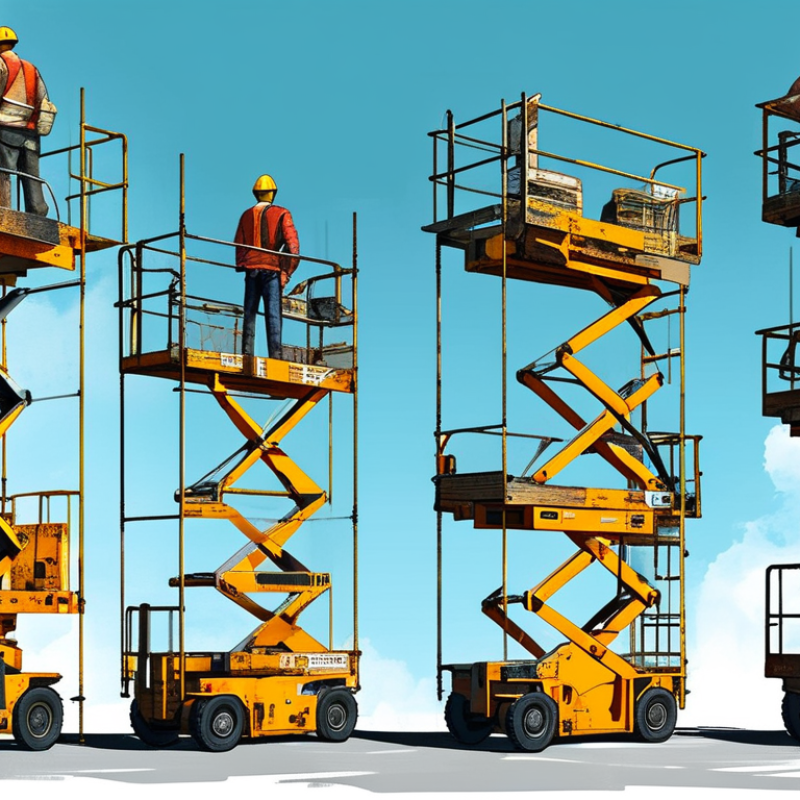
Scaffold hoists are essential equipment in the construction industry. They lift workers and materials to various heights safely. This mechanism enhances productivity on sites and ensures safety. Scaffold hoists come in various sizes and capacities to fit specific needs.
The technology behind scaffold hoists varies. They can be electric or manual, depending on the requirements of the job. Proper installation and maintenance are crucial for their efficiency. Without these factors, risks increase on job sites, raising concerns about worker safety. Hasty decisions can lead to equipment failure and accidents.
Understanding how scaffold hoists work is vital for anyone in construction. Their design allows for the swift transport of heavy loads, making projects more manageable. However, it is important to reflect on the proper training of operators. Untrained personnel can misuse these tools, leading to dangerous situations.
Scaffold Hoists: An Overview of Their Definition and Purpose
Scaffold hoists play a crucial role in construction and maintenance projects. These devices elevate materials and workers, ensuring safety and efficiency. According to a report by the Occupational Safety and Health Administration (OSHA), improper lifting methods can lead to injuries and fatalities. Scaffold hoists minimize these risks by providing a controlled lifting solution.
The primary purpose of scaffold hoists is to enhance workflow on job sites. They can lift heavy loads of up to 2,000 pounds, streamlining the transport of materials. With a strong focus on safety, many hoists feature emergency stop buttons and overload protection. These features are essential to prevent accidents caused by mechanical failure. Additionally, the design often allows for easy installation and setup.
However, maintaining proper safety protocols can be a challenge. A survey by the National Safety Council revealed that 40% of construction workers reported witnessing unsafe practices involving scaffold hoists. Workers must be trained regularly to ensure safe operation. Continuous monitoring and assessment of these practices remain vital. Failing to address these concerns can lead to significant accidents, highlighting an area that demands attention in the industry.
Key Components of Scaffold Hoists and Their Functions
Scaffold hoists are essential tools in construction, enabling efficient vertical transport of materials. Understanding their key components is crucial for safe operation. The primary components include the hoist motor, wire rope, and control system. The hoist motor powers the ascent and descent of scaffold platforms. It is typically rated by lifting capacity, which can range from 500 to 2,000 pounds. This variation allows for different project needs.
The wire rope is another critical element. It connects the hoist motor to the platform. The strength and durability of the wire rope are vital. A 2019 industry report indicated that wire ropes with proper maintenance could extend lifespan by up to 30%. Regular inspections can help identify wear and prevent failures.
Tips: Always perform a pre-lift inspection. Check for any issues with the hoist motor and wire rope. Small problems can lead to larger risks. Training workers on hoist operations can improve safety. Ensure that control systems are intuitive, reducing the chance of miscommunication.
Construction sites are dynamic, and scaffold hoists play a pivotal role in improving efficiency. However, challenges remain. Operators must remain vigilant about safety protocols and equipment condition. Investing in quality training can bridge knowledge gaps.
What is Scaffold Hoists and How Do They Work? - Key Components of Scaffold Hoists and Their Functions
| Component |
Function |
Specifications |
| Hoist Mechanism |
Lifts and lowers materials and personnel |
Capacity: 1000 kg |
| Control Panel |
Operates the hoist and safety functions |
Type: Digital, Features: Emergency stop, speed control |
| Safety Features |
Protects against overload and falls |
Features: Anti-overload sensor, safety latch |
| Suspension System |
Supports the hoist on the scaffold |
Material: Steel, Max Height: 50 m |
| Wire Rope |
Transmits the hoisting motion |
Diameter: 10 mm, Length: 100 m |
How Scaffold Hoists Operate: Mechanisms and Safety Features
Scaffold hoists are essential for construction projects. They help lift heavy materials and tools to elevated areas safely. The key to their operation lies in their mechanisms, which include pulleys, gears, and motors. These elements work together to ensure smooth movement. Operators can control the speed and height, making tasks more efficient. Safety is paramount in these systems.
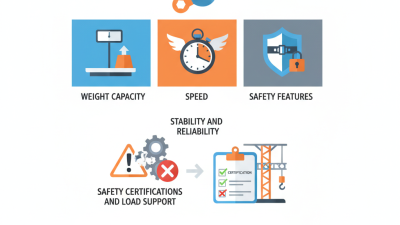
Safety features in scaffold hoists are crucial. Most models have overload protection to prevent accidents. Additionally, emergency stop buttons allow immediate halting of operations. Many hoists come with safety chains or straps. These keep the load secure and reduce the risk of falls. Maintenance is also vital. Regular inspections help identify potential issues before they become serious problems.
Working with scaffold hoists can bring about challenges. Operators must be trained to understand the mechanisms fully. Misunderstanding could lead to accidents. Even with advanced safety features, vigilance is necessary. The dynamics of the job site can change quickly. This necessitates constant awareness of both the equipment and surroundings. Learning from each experience is fundamental in improving future operations.
Industry Standards and Regulations Governing Scaffold Hoist Use
Scaffold hoists are vital in construction. They lift materials and workers safely. However, their use is governed by strict industry standards and regulations. Compliance ensures worker safety and enhances operational efficiency.
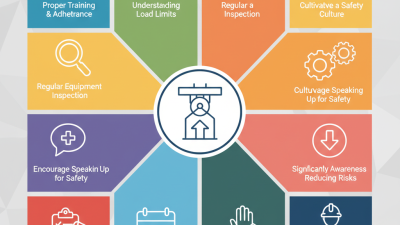
In many regions, regulations mandate regular inspections. These inspections must check load limits and operational functionality. Operators require proper training to understand safety protocols. Without this, the risk of accidents increases. Documentation is essential. Keeping records of inspections and training helps maintain accountability.
Organizations must also address design and equipment standards. These can vary among local and national jurisdictions. Following these regulations helps prevent legal issues. Awareness of these standards is crucial for any project manager. They must ensure compliance at all times. Ignoring these can have serious consequences.
Advantages and Limitations of Utilizing Scaffold Hoists in Construction
Scaffold hoists play a vital role in construction by improving efficiency and safety. These systems elevate materials and personnel to significant heights, making tasks easier. Workers can transport heavy items quickly, reducing fatigue and time. However, there are limitations to consider. Operators must undergo proper training. Without it, accidents are more likely.
One advantage of scaffold hoists is their productivity boost. Construction sites become more organized when materials reach the proper elevations quickly. Time saved can lead to faster project completion. On the downside, the initial cost of installation might deter some projects. Maintenance can also be demanding, requiring regular checks to ensure safety.
Safety is a crucial factor. Improper usage can lead to severe injuries. Regular inspections and adherence to guidelines can mitigate risks, but human error often complicates matters. Balance between efficiency and safety is essential for successful implementation. Each construction project may face unique challenges, making it necessary to evaluate the use of scaffold hoists carefully.
Advantages and Limitations of Scaffold Hoists
This chart represents the average ratings for various factors associated with scaffold hoists based on their advantages and limitations. Each factor is rated on a scale from 1 to 10, providing insight into the perceptions of ease of use, safety, cost, material handling, and efficiency in construction applications.