Top 10 Scaffold Hoists You Need for Safe Construction?
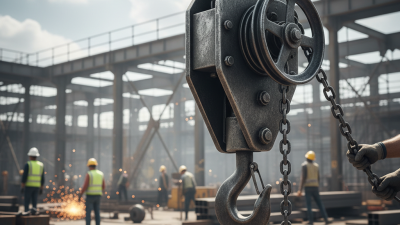
In the fast-paced world of construction, safety is paramount. Scaffold hoists have become essential tools for delivering materials efficiently and securely to elevated work areas. Their importance cannot be overstated, as these devices not only enhance productivity but also significantly reduce the risks of accidents on site.
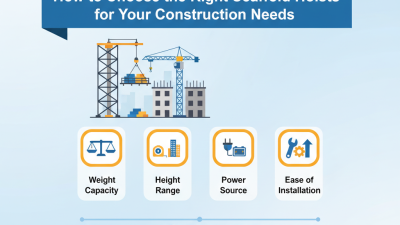
Choosing the right scaffold hoist is crucial. With a wide array of options available, it can be overwhelming. Yet, understanding your project needs is the first step. Some hoists are better suited for heavy loads, while others excel in speed and portability. Recognizing these differences will guide your selection.
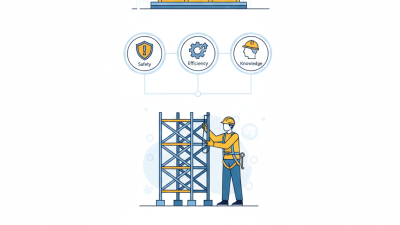
However, not all scaffold hoists are created equal. Many users overlook maintenance, which can lead to failures or accidents. Regular checks on the hoist's cables, motors, and structures are necessary for optimal performance. Knowledge of specifications and safety standards ensures a reliable choice. By making informed decisions, you create a safer working environment for everyone involved.

Top 10 Essential Features of Scaffold Hoists for Safe Construction
When selecting scaffold hoists for construction, specific features are essential for safety. One key element is the load capacity. Ensure it can handle the materials you'll use. A hoist with an insufficient load capacity increases risks. It's crucial to check the manufacturer's guidelines and get it right.
Another vital feature is the lifting speed. A faster lift can improve efficiency, but safety should not be compromised. Slow and steady reduces the likelihood of accidents. Additionally, look for a hoist with a reliable braking system. This ensures the load remains secure when stopping, preventing disastrous falls.
Control mechanisms also matter. Ease of use can help workers operate safely. Intuitive controls minimize errors, enhancing overall safety on site. Furthermore, robust materials and quality construction are non-negotiable. They ensure longevity and reliability.
Consider emergency features, like cut-off switches or alarms. These can provide extra security in critical situations. Reflecting on these features can guide your choice. It’s a responsibility that directly impacts worker safety, and it should never be overlooked.
Understanding Load Capacity: Maximum Weight Recommendations in Scaffold Hoists
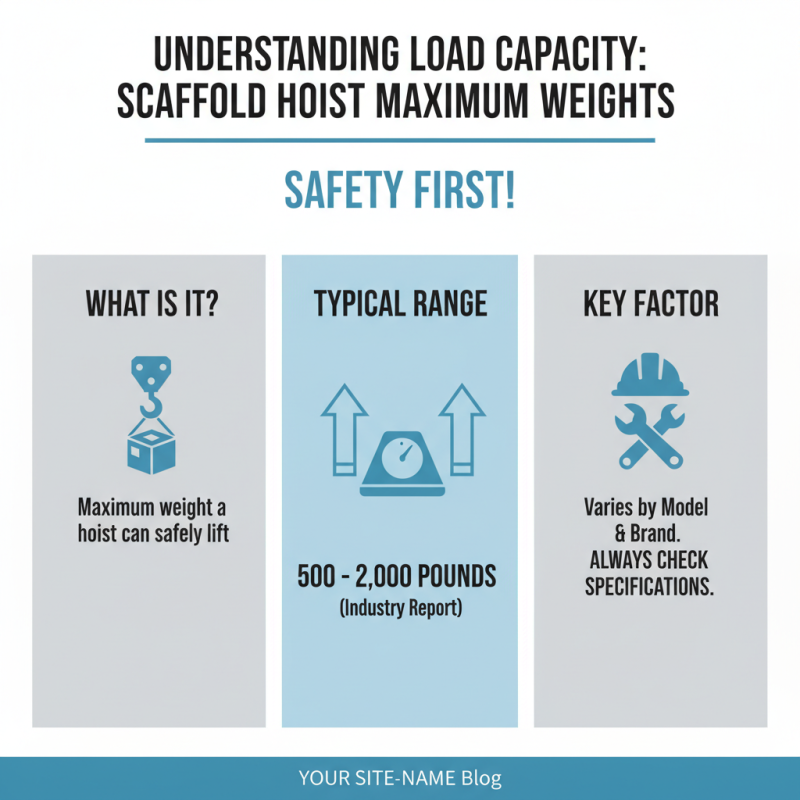
When selecting scaffold hoists, understanding load capacity is critical. The maximum weight each hoist can handle directly impacts safety and efficiency on construction sites. A well-known industry report states that scaffold hoists typically support loads ranging from 500 to 2,000 pounds. However, these limits can vary based on the model and brand, which is why it's essential to check specifications.
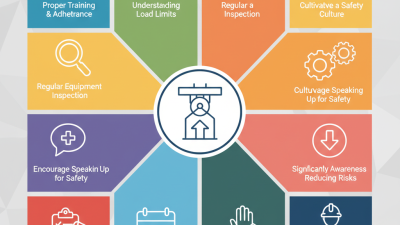
Accurate assessment of load capacities contributes to safer construction practices. A hoist overloaded by just 10% may compromise its integrity. Observing guidelines is critical. Many accidents stem from misjudgments about weight limits. Builders should adequately train personnel on these specifications. Regularly scheduled inspections ensure that hoists remain in optimal condition.
In the real world, discrepancies do occur. Some workers might overlook load charts, leading to dangerous situations. Compliance with the recommended weight limits is vital, yet sometimes gets neglected in high-pressure environments. The cost of these oversights can be significant, impacting both worker safety and project timelines. Acknowledging these challenges highlights the importance of stringent adherence to manufacturer's guidelines.
Durability Testing: Industry Benchmarks for Scaffold Hoist Materials
When it comes to scaffold hoists, durability is a critical factor. Construction sites demand equipment that can withstand harsh conditions. Hoists are often exposed to extreme weather, heavy loads, and constant wear. Therefore, testing the materials used in scaffolding equipment is essential. Industry benchmarks help determine which materials offer the best longevity and safety.
Material testing involves assessing various factors. These include tensile strength, resistance to corrosion, and ability to handle dynamic loads. Steel and aluminum are common choices, but each has its advantages. Steel offers strength but may rust without proper treatment. Aluminum is lightweight but can bend under excessive weight. Finding the right balance is crucial.
Real-world testing often reveals unexpected failures. Some hoists perform well in a lab but not on site. This discrepancy highlights the need for ongoing evaluation. Construction managers should prioritize regular inspections and reviews of their equipment. Reliability is not just about initial strength; it’s about how well the hoist performs day-to-day.
Durability Testing: Industry Benchmarks for Scaffold Hoist Materials
Operational Efficiency: Analyzing Speed and Control in Scaffold Hoists
When selecting scaffold hoists, operational efficiency is crucial. Speed and control significantly impact both productivity and safety on construction sites. A well-designed hoist should facilitate a smooth workflow without sacrificing the security of workers. For instance, a hoist with adjustable speed settings allows operators to lift materials precisely. This feature is vital when working in tight spaces or with delicate materials.
Tip: Always assess the load capacity before operation. Overloading can lead to mechanical failure. This risk emphasizes the importance of choosing the right hoist for specific tasks.
Control mechanisms also play a critical role. Hoists equipped with ergonomic features enhance user comfort and reduce fatigue. Operators should be able to control lifting and lowering swiftly and effortlessly. A responsive control system contributes to quicker site operations. However, not every hoist offers the same quality. It's essential to evaluate user feedback and perform hands-on testing.
Tip: Regularly inspect control systems for wear and tear. Addressing small issues before they escalate can prevent costly accidents. Learning from past incidents can lead to better safety protocols. The goal should always be an efficient, safe construction environment.