Inquiry
Form loading...
Buying a Movable Hydraulic Lift in 2026 requires more than comparing prices and lifting capacity. Global buyers need equipment that performs reliably in workshops, warehouses, vehicle service centers, and industrial maintenance areas. A lift may look impressive in product photos, yet its frame, wheels, hydraulic seals, and locking system determine daily performance.
This guide examines practical choices for international purchasers. It considers rated capacity, lifting height, platform dimensions, power supply, mobility, and operator protection. A 3,000-kilogram rating means little if the lift feels unstable on uneven concrete. Small details matter. A steel handle, smooth casters, visible safety locks, and an emergency lowering system can save time during busy operations.
Real purchasing experience also shows that shipping conditions can change a buyer’s decision. Crated dimensions, spare-part availability, warranty response, and installation support deserve careful attention. Buyers should request test reports, product drawings, maintenance instructions, and clear information about applicable regional standards. Certification alone is not enough. Supplier communication and after-sales responsibility matter just as much.
No perfect lift exists.
This 2026 overview compares leading movable hydraulic solutions without treating one specification as universally superior. A compact lift may suit a mobile technician but limit working space. A heavier model may offer greater stability while increasing transport costs. These compromises are easy to miss. We may also overlook long-term expenses, including oil replacement, seal wear, battery charging, and operator training.
The right choice should match the workplace, load pattern, budget, and local compliance requirements. Careful inspection remains essential, especially before purchasing from an unfamiliar supplier.
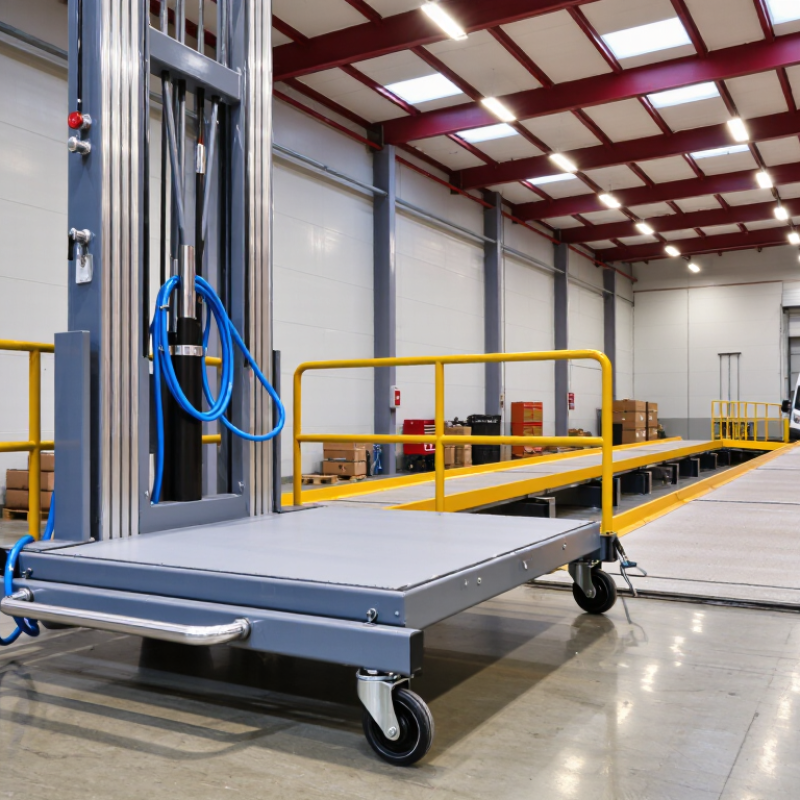
A movable hydraulic lift is a wheeled lifting platform powered by pressurized hydraulic fluid. Unlike a fixed lift, it can be positioned beside vehicles, machinery, storage racks, or maintenance stations. A pump sends fluid into a cylinder, creating controlled upward force. Releasing pressure lowers the platform at a measured speed.
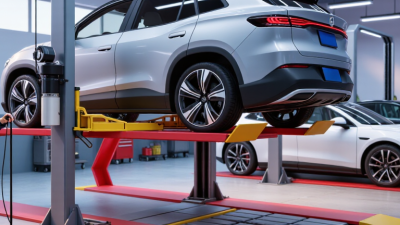
Its mobility is useful in workshops with changing tasks. Operators can roll the lift across a smooth concrete floor, lock the casters, and adjust the platform to a practical working height. Common designs include scissor platforms, low-profile tables, and compact vehicle lifts. Selection should match the rated load, lifting range, platform size, and floor condition. Load distribution matters more than many buyers expect. A heavy object near one edge can affect stability.
In field use, I would inspect the hydraulic hoses, safety locks, wheels, and emergency lowering system before every shift. Keep hands away from pinch points. Never rely on hydraulic pressure alone when a mechanical lock is available. Local lifting regulations and electrical requirements also deserve careful checking, especially for international projects. A product can meet its stated capacity yet perform poorly on uneven flooring. Not always. Buyers should request test records, operating instructions, spare-part information, and clear warranty terms. The ideal movable hydraulic lift is not simply powerful; it is predictable, serviceable, and suited to the operator’s real workspace.
| Lift Configuration | Typical Rated Capacity | Typical Lifting Height | Typical Lowest Height | Platform or Fork Size | Power Options | Mobility Design | Recommended Applications | Important Buyer Considerations |
|---|---|---|---|---|---|---|---|---|
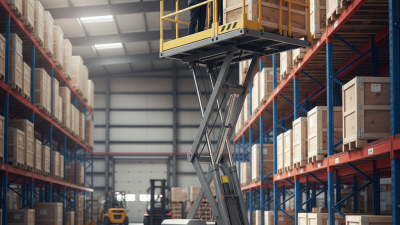
| Mobile Scissor Lift Table | 150–2,000 kg | 0.6–2.0 m | 0.2–0.5 m | 0.8–2.0 m long × 0.5–1.2 m wide | Manual hydraulic pump or battery-powered hydraulic unit | Four swivel or fixed casters; two wheels commonly include brakes | Material positioning, maintenance, assembly lines, warehouses, and loading operations | Check platform deflection, wheel load rating, brake performance, and protection against unintended lowering. |
| Mobile Double-Scissor Lift Table | 300–3,000 kg | 1.0–3.0 m | 0.4–0.8 m | 1.0–2.5 m long × 0.6–1.5 m wide | Battery-electric hydraulic power or mains-powered hydraulic unit | Heavy-duty casters or guided wheels; parking brakes recommended | High-level handling, machine servicing, warehouse transfer, and production support | Higher lifting height requires a wider base, stronger stabilizers, and careful attention to lateral stability. |
| Mobile Lift Platform | 200–1,000 kg | 1.0–4.0 m | 0.5–1.5 m | 0.8–1.8 m long × 0.6–1.2 m wide | Battery-powered hydraulic drive or electro-hydraulic system | Lockable wheels; some models use outriggers or stabilizing legs | Indoor maintenance, installation work, stock picking, and light service tasks | Confirm whether the unit is designed for lifting materials only or for personnel access; these are different safety categories. |
| Portable Low-Profile Lift | 500–3,500 kg | 0.4–1.2 m | 0.08–0.2 m | 1.0–2.5 m long × 0.6–1.5 m wide | Manual hydraulic pump or compact electric hydraulic power pack | Low-height casters, transport wheels, or forklift pockets | Vehicle servicing, pallet handling, die handling, and floor-level loading | Measure the closed height, ramp angle, floor strength, and access clearance before purchase. |
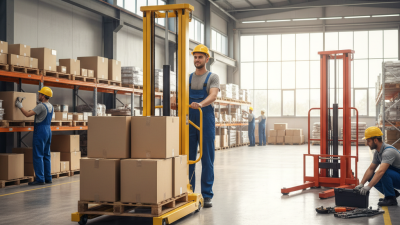
| Movable Pallet Lift | 500–2,000 kg | 0.8–1.6 m | 0.08–0.3 m | Fork length commonly 1.0–1.8 m; adjustable fork spacing available | Manual hydraulic pump or rechargeable battery system | Steering wheels with load rollers; parking brake recommended | Pallet positioning, order preparation, warehouse replenishment, and ergonomic handling | Verify pallet entry clearance, fork dimensions, turning radius, battery operating time, and charger compatibility. |
| Mobile Engine or Transmission Lift | 300–1,500 kg | 0.8–2.0 m | 0.6–1.0 m | Adjustable support arms; platform dimensions vary by load type | Foot-pump hydraulic system or hand-pump hydraulic system | Four-wheel chassis, commonly with two lockable swivel wheels | Automotive repair, component removal, workshop assembly, and equipment maintenance | Look for adjustable saddles, overload protection, mechanical locking positions, and a stable chassis footprint. |
| Mobile Goods Lift | 300–1,000 kg | 1.5–6.0 m | 0.5–1.5 m | 0.8–1.5 m long × 0.8–1.5 m wide | Electric hydraulic power unit, normally battery or mains powered | Castors for positioning; outriggers or wheel locks required during lifting | Retail stock movement, warehouse mezzanines, catering operations, and light industrial handling | Confirm gate interlocks, emergency stop function, guardrails, platform enclosure, and permitted travel conditions. |
| Hydraulic Dock or Loading Lift | 1,000–6,000 kg | 0.8–2.5 m | 0.3–0.8 m | 1.5–3.0 m long × 1.5–2.5 m wide | Electric hydraulic power unit, usually mains powered | Moveable chassis or relocatable platform; stabilizing supports are essential | Truck loading, container handling, temporary loading points, and warehouse access | Assess vehicle compatibility, edge protection, bridge plate strength, weather exposure, and ground bearing capacity. |