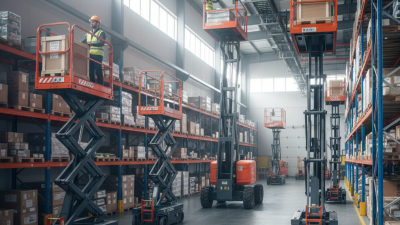
What is a Hydraulic Cargo Lift and How Does it Work?
Hydraulic Cargo Lifts are integral to modern logistics. These machines facilitate the vertical movement of heavy loads, streamlining operations across various industries. According to a report by Research and Markets, the global hydraulic lift market is expected to grow significantly, with a projected CAGR of 4.7% from 2021 to 2026. This growth reflects the increasing demand for efficient material handling solutions.
At the core of a Hydraulic Cargo Lift's functionality is its hydraulic system, which uses pressurized fluid to lift and lower goods. This method allows for precise control when handling heavy loads, minimizing the risk of accidents. However, not all systems are foolproof. Operators must regularly maintain these lifts to ensure safety and reliability. Neglecting this can lead to failures that might disrupt operations.
While hydraulic lifts offer many advantages, they also have limitations. For instance, they may require more floor space compared to other lifting devices. Additionally, the initial cost can be high, which may deter some businesses. Therefore, understanding both the benefits and drawbacks of Hydraulic Cargo Lifts is crucial for making informed decisions in material handling.
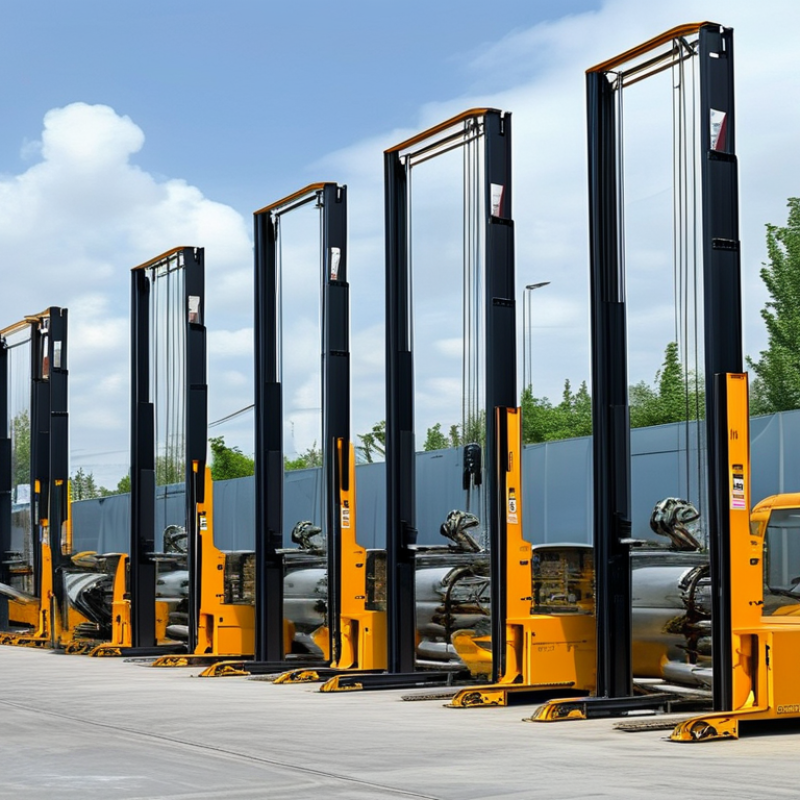
Definition and Overview of Hydraulic Cargo Lifts in Material Handling
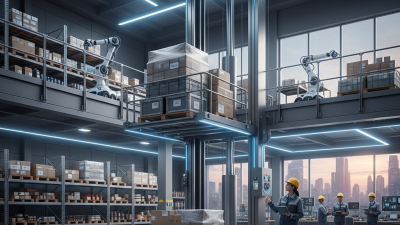
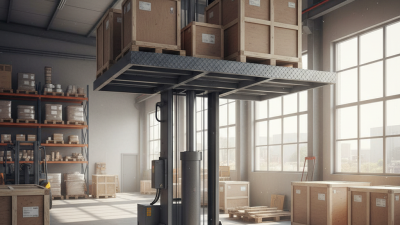
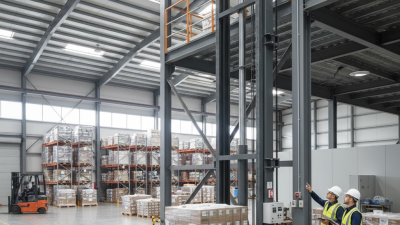
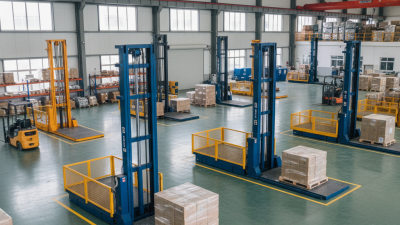
Hydraulic cargo lifts are essential tools in material handling. These devices provide vertical transportation for heavy goods in warehouses and factories. They use hydraulic power to move loads efficiently. A robust hydraulic system generates lifting force by pushing fluid through cylinders. This mechanism allows for smooth and controlled movement, making it a preferred choice in industrial settings.
When using a hydraulic cargo lift, it’s crucial to follow safety guidelines. Ensure that loads do not exceed the lift's weight capacity. Proper maintenance is vital to avoid mishaps. Regular inspections can help identify potential issues early. Small problems can escalate into significant safety hazards if ignored.
Tips: Always train personnel on proper lift operation. Provide clear signage near the lift area. Encourage a culture of safety for everyone involved in material handling. Remember, a well-managed lift enhances productivity but requires constant vigilance and care. Reflect on past incidents and learn from them to prevent future issues.
Hydraulic Cargo Lift Capacity Comparison
Key Components and Mechanisms of Hydraulic Cargo Lifts
Hydraulic cargo lifts are vital in many industries. They allow for the movement of heavy items between different levels of a building. The key components of these lifts include
hydraulic cylinders, a
pump, and a control system. Each of these parts plays a significant role in their operation.
The hydraulic cylinder converts fluid pressure into mechanical force. It lifts and lowers the cargo with great precision. The pump supplies the hydraulic fluid, creating the necessary pressure for movement. However, the system relies heavily on proper maintenance. A failure in the pump can cause operational delays or catastrophic failures.
The control system is essential for safety. It allows operators to manage the lift’s movements and monitors the load weight. Yet, even the best systems can experience hiccups. Operator training is crucial to avoid mishaps. Understanding these key components leads to more efficient and safe use of hydraulic cargo lifts.
Principles of Operation: How Hydraulic Systems Function in Lifts
Hydraulic cargo lifts are fascinating machines that utilize the principles of hydraulics. At their core, these lifts employ Pascal's principle, which states that pressure applied to a confined fluid transmits uniformly in all directions. This concept allows for efficient lifting of heavy loads using relatively small hydraulic cylinders. When the operator activates the lift, hydraulic fluid is pumped into a cylinder, raising the platform.
The operation of hydraulic systems involves a few key components. A hydraulic pump generates pressure, while control valves direct the flow of fluid. This mechanism ensures that the lift can move up and down smoothly. Monitoring the system is essential, as any leaks or irregularities can affect performance.
Maintenance is crucial to ensure safety and reliability, which requires careful inspection of hoses and seals.
While hydraulic lifts have many advantages, they also come with challenges. Energy efficiency can be an issue. The constant need for hydraulic fluid can lead to waste if not managed properly. Additionally, understanding the system's limits is necessary for safe operation. Operators may sometimes overlook weight limits, leading to accidents.
Training and proper knowledge of the hydraulic system can help mitigate these risks.
Advantages of Hydraulic Cargo Lifts in Industrial Applications
Hydraulic cargo lifts are essential in industrial settings. They offer various benefits that enhance operational efficiency. One significant advantage is their ability to handle heavy loads effortlessly. These lifts can transport substantial weights, reducing the strain on workers. It promotes safety as manual lifting can lead to injuries.
Another key benefit is space efficiency. Hydraulic cargo lifts can be designed to fit in tight areas. This flexibility allows businesses to maximize storage space. Additionally, they can operate in diverse environments, from warehouses to factories. Their adaptability is invaluable in industrial applications.
However, businesses must also consider maintenance. Hydraulic systems require regular checks to ensure proper functionality. Neglecting this can lead to costly downtimes. It's crucial to balance efficiency with ongoing maintenance efforts. Adopting a proactive approach helps maintain safety and reliability in operations.
Safety Standards and Regulations Governing Hydraulic Cargo Lifts
Hydraulic cargo lifts play a crucial role in various industries. They help transport heavy goods safely and efficiently. However, safety must be prioritized. Understanding the standards and regulations governing these lifts is vital for maintaining a safe working environment.
In the United States, organizations like OSHA provide essential guidelines. These regulations cover design, installation, and operation of hydraulic cargo lifts. Ensuring compliance reduces risks of accidents and injuries. Regular inspections are also required to maintain safety levels. Lack of adherence can lead to serious consequences, including equipment failure.
Proper training for operators is crucial. Workers must understand how to use these systems safely. A lapse in safety protocols often stems from insufficient training. Organizations should continually assess their safety practices. This reflection is an important part of fostering a culture of safety in the workplace.