Top 10 Power Chain Hoists for Global Buyers
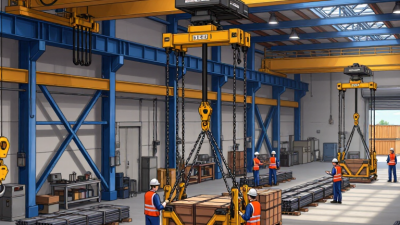
Choosing the right Power Chain Hoist is rarely a simple price comparison. Global buyers must examine lifting capacity, duty class, lift height, control options, and service support. A compact hoist may suit a workshop, while a heavy-duty model may better serve factories, warehouses, or stage applications.
This guide introduces ten power chain hoists selected for practical buying decisions. The evaluation considers working load limits, chain quality, motor performance, braking systems, pendant controls, noise, and maintenance access. It also reviews manufacturer documentation, warranty terms, spare-parts availability, and relevant regional conformity requirements. These details matter when equipment operates above workers, machinery, or valuable cargo.
Real experience often reveals what brochures omit. A smooth start, reliable emergency stop, and clear load marking can prevent costly disruption. Installation conditions also matter. Dust, humidity, frequent cycles, and limited headroom may change the best choice. Buyers should verify every specification with the supplier before ordering.
No ranking is permanent. Markets change.
A lower purchase price can hide higher maintenance costs. Conversely, premium equipment may be excessive for occasional lifting. This selection aims to balance performance, safety, durability, and ownership value without treating one model as suitable for every facility. Readers should compare tested capacities, inspection procedures, operator training, and local technical support. The final decision should reflect the actual lifting environment, not only impressive specifications.
Power Chain Hoists: Definition, Structure, and Operating Principles
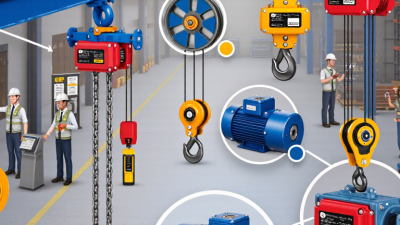
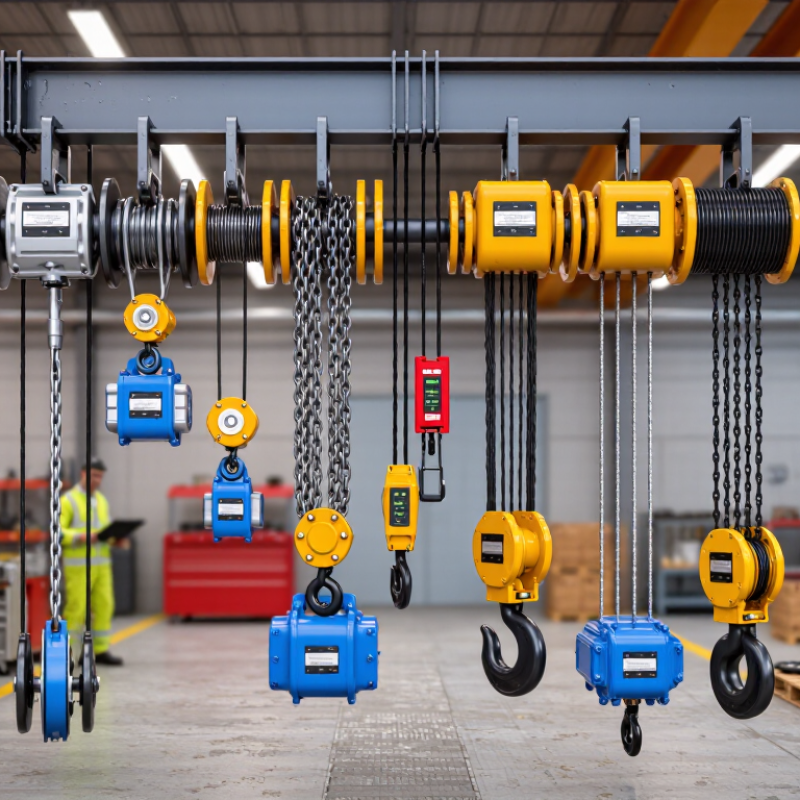
A power chain hoist is a motor-driven lifting device for moving heavy loads vertically. It combines a motor, gearbox, load chain, chain pocket wheel, brake, hook, and control system. Some models also include overload protection and upper or lower limit switches. The load chain passes through the wheel and forms a precise lifting path. Its links must match the wheel’s pockets closely.
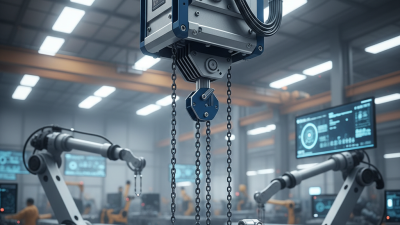
During operation, electrical power turns the motor shaft. The gearbox increases torque while reducing speed. This torque rotates the chain wheel, pulling the chain upward through the hoist body. Pressing the lifting control raises the hook. Reversing the motor lowers it. A mechanical or electromagnetic brake holds the load when power stops. That small pause matters. A slipping brake can turn a routine lift into a serious failure.
For global buyers, rated capacity, lifting speed, duty cycle, voltage, and ambient conditions need careful review. Chain condition, hook deformation, brake response, and unusual gearbox noise deserve regular checks. A practical inspection may include a short test lift with a controlled load, not a guess based on appearance. A clean housing proves little. One common mistake is ignoring side pulling, which can damage the chain and hook. Installation height and pendant reach also affect daily control. Specifications look exact, yet site conditions often expose gaps in the original selection.
Performance, Capacity, and Safety Features to Examine
When comparing the top ten power chain hoists, examine real lifting performance, not catalogue claims alone. A capable hoist should start smoothly, hold loads steadily, and control lowering without sudden movement. Rated capacity is only one measurement. Check lifting speed, duty cycle, motor temperature, and performance during repeated operations. A hoist used for occasional maintenance needs different endurance from one working every day.
Capacity calculations should include the load, rigging equipment, and possible impact forces. Leave a sensible margin. Overloading is not a testing method. Review the overload limiter, mechanical brake, chain container, upper and lower limit switches, and emergency controls. Guards should prevent contact with moving parts. Electrical protection, operating voltage, and enclosure rating also matter in dusty or damp facilities. During site inspections, I have found that safety labels were clear, but inspection records were incomplete. That gap deserves attention.
Global buyers should request load-test evidence, maintenance instructions, replacement-chain specifications, and operator training materials. Reliable documentation supports safer installation and easier audits across different locations. Confirm that service parts can be sourced within a practical timeframe. A low purchase price becomes less attractive when a small failure stops production for weeks. Ask how the hoist behaves after extended use, not only when new. Real feedback can expose noise, brake drift, or sluggish controls that laboratory figures miss. Small details matter. Performance may decline when operators ignore inspections, even with a well-designed hoist.
Global Standards, Certifications, and Regional Compliance
Top 10 Power Chain Hoists for Global Buyers
Global Standards, Certifications, and Regional Compliance
The top ten power chain hoists should be judged beyond lifting capacity and price. Buyers need traceable testing, clear manuals, and regional approval documents. EN 14492-2 supports powered hoist safety in Europe, while ASME B30.16 guides inspection and operation in the United States. Canadian projects may require CSA B167 compliance. Australia commonly references AS 1418.2. These standards address brakes, load chains, controls, guarding, and inspection routines. A certification logo alone is not proof.
The ILO and WHO estimated 2.93 million work-related deaths globally in 2019. Their report also recorded about 395 million non-fatal occupational injuries. Hoist selection therefore needs practical risk assessment, not catalogue comparison. ISO 12100 principles can help identify overload, dropped-load, electrical, and pinch-point hazards. In Europe, buyers should check current Machinery Directive obligations and prepare for Regulation (EU) 2023/1230, applicable from January 2027. Regional enforcement can still differ.
Tips: Request the declaration of conformity, test certificate, chain grade, duty classification, and serial-number traceability. Confirm voltage, frequency, emergency stop design, and spare-part access before ordering. Ask an independent inspector to review installation and first-use testing. Our ranking remains imperfect when suppliers provide incomplete field data. That weakness deserves attention. A low-cost hoist can become expensive after one missing certificate or unsuitable duty cycle. Keep inspection records beside the control panel, not buried in a purchasing folder.
Top 10 Power Chain Hoists for Global Buyers
Global Standards, Certifications, and Regional Compliance
How to Read the Chart
The chart shows ten commonly specified nominal capacity points used when comparing powered chain hoists in international procurement. Rated loads are converted from metric tonnes to kilonewtons using 1 metric tonne-force = 9.80665 kN. Actual product availability, duty class, lifting speed, headroom, chain size, and operating environment must be confirmed in the manufacturer’s technical documentation.
Regional compliance checkpoints:
EU buyers should review the applicable Machinery legislation and CE conformity requirements; United States buyers commonly reference ASME B30.16 and OSHA requirements; Canadian projects may require CSA B167; Australian projects commonly reference AS 1418.2; Japanese projects may reference JIS B 8815; and Chinese projects may require applicable GB/T requirements. Certification scope should be checked for the complete hoist assembly, controls, installation, and intended lifting duty.
Buying, Installation, Maintenance, and After-Sales Considerations
Top 10 Power Chain Hoists for Global Buyers
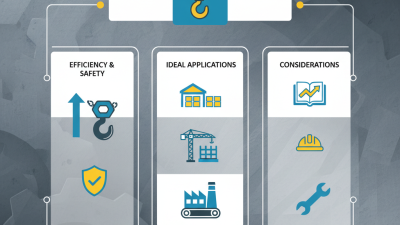
Buying a power chain hoist requires more than comparing lifting capacity and price. Check rated load, lifting speed, duty cycle, chain grade, control voltage, and operating temperature. Confirm that the hoist suits your local electrical supply and workplace regulations. Ask for inspection certificates, manuals, spare-parts lists, and clear warranty terms. A cheap unit may become expensive when compatible parts are difficult to source. Fit matters. During installation, verify beam strength and trolley alignment before applying any load. Use qualified technicians and follow the supplied torque settings. Test the emergency stop, upper limit switch, pendant controls, and brake system. A practical commissioning test should use a controlled load, not an improvised weight.
Maintenance should combine daily observation with scheduled inspections. Look for stretched chains, unusual noise, damaged hooks, oil leakage, and brake drift. Keep records. Lubricate according to the manual, while avoiding contamination near brakes or electrical components. After-sales support is equally important for international buyers. Confirm response times, remote troubleshooting options, training availability, and regional service coverage. Request the recommended replacement interval for chains, contactors, brakes, and control components. In my experience, maintenance plans often fail because operators receive equipment but not enough training. That gap deserves honest attention.
Tips: Photograph the hoist after installation, record its serial information, and store test documents digitally. Keep one trained backup operator. Review the maintenance schedule after the first month; real dust, humidity, and workload may expose assumptions that looked reasonable on paper.