Inquiry
Form loading...

Top Power Chain Hoist Manufacturers Worldwide

Choosing the right Power Chain Hoist manufacturer can shape workplace safety, lifting efficiency, and long-term operating costs. Worldwide suppliers differ in engineering depth, production capacity, service coverage, and product specialization. A reliable comparison must examine more than catalog images or advertised lifting capacity.

This guide introduces leading manufacturers known for industrial lifting equipment, including electric and manual chain hoist solutions. It considers real operating details, such as load control, brake response, duty classification, chain quality, pendant design, and maintenance access. These features matter on factory floors, construction sites, warehouses, and maintenance platforms. A hoist may look compact, yet its internal brake system and gear alignment influence daily performance. Quiet operation helps, too.

Manufacturer credibility also deserves careful attention. Established companies often provide traceable testing, technical documentation, training, spare parts, and responsive after-sales support. Certifications can strengthen confidence, but they should not replace practical evaluation. Local service availability may matter more than a famous name during an urgent repair. No ranking is permanently perfect. Applications, budgets, working environments, and regional support needs continue to change. This overview therefore focuses on verifiable strengths while recognizing that no single supplier suits every buyer. Readers should confirm specifications, installation requirements, inspection procedures, and authorized service options before making a final decision. Careful comparison reduces surprises and supports safer lifting operations.
Top Power Chain Hoist Manufacturers Worldwide

What Is a Power Chain Hoist and How Does It Work?

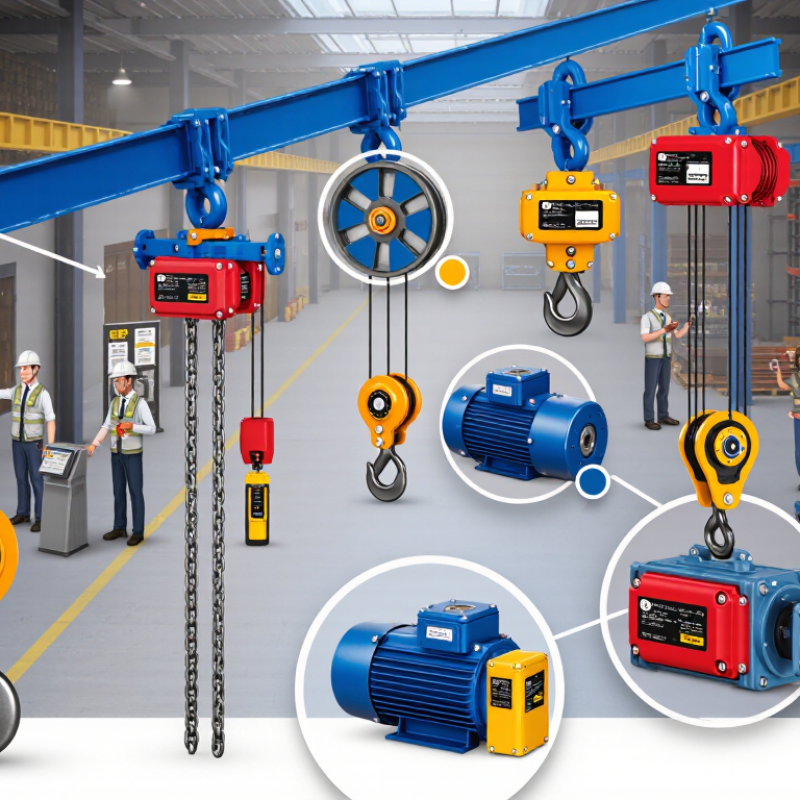
A power chain hoist is a motor-driven lifting device that raises loads through a calibrated steel chain. The motor turns a sprocket, while a gearbox increases lifting torque. Pressing the control pendant starts the motor and moves the chain through the load wheel. Releasing the control stops movement. A brake then holds the suspended load, even when power is removed. Simple in principle. Still, small mistakes matter.

Electric chain hoists commonly handle loads from 125 kilograms to several tonnes, depending on their duty class and configuration. A 2024 market analysis by Fortune Business Insights valued the broader global crane market at more than USD 40 billion, showing strong demand for controlled material handling. Power chain hoists serve workshops, warehouses, production lines, and maintenance areas where precise vertical movement matters. Their compact bodies can fit beneath low ceilings, although limited headroom remains a practical weakness.

Safe operation depends on more than rated capacity. The load must hang vertically, the chain must remain seated, and operators should inspect hooks, brakes, controls, and chain links before use. ASME B30.16 identifies inspection and operating practices for overhead hoists. The U.S. Bureau of Labor Statistics recorded over 1,000 fatal work injuries in transportation and material-moving occupations during 2023, though that figure covers many equipment types. It cannot prove hoist-specific risk. That distinction deserves attention. A hoist may appear quiet and reliable, yet worn components can fail without dramatic warning.

Main Applications of Power Chain Hoists Across Industries

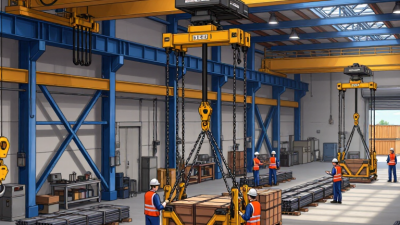
Power chain hoists support lifting work where controlled vertical movement matters. In manufacturing plants, they position motors, molds, gearboxes, and steel components above production lines. Their compact bodies fit between beams and machinery. Operators can raise loads gradually, reducing sudden movement and placement errors. In maintenance workshops, hoists help remove pumps and electric motors from narrow service areas.

Construction teams use power chain hoists for installing ductwork, pipes, doors, and structural fittings. Warehouses also use them for handling heavy pallets and machine parts when forklifts cannot reach safely. In theaters and event venues, approved hoists may move lighting equipment and stage assemblies. Marine workshops use them near repair bays, though moisture demands careful protection and inspection. Real sites are rarely tidy. Dust, uneven floors, and limited visibility can change the lifting plan.

Tips: Confirm the load weight and lifting height before choosing equipment. Inspect the chain, hook, brake, pendant, and emergency stop before each shift. Check the load path. Keep workers away from suspended loads. Experienced operators should control speed near final placement. I have seen teams focus on lifting capacity but overlook headroom and power access. That mistake can delay installation and increase handling risks. Record inspections, train operators, and replace damaged parts promptly. Manufacturer instructions and local workplace requirements should guide every application.

Top Power Chain Hoist Manufacturers Worldwide - Main Applications of Power Chain Hoists Across Industries

Industry / Application Typical Load Range Common Lift Configuration Typical Duty Requirement Key Hoist Features Main Selection Considerations
Manufacturing and Assembly Lines 0.25–5 metric tons Fixed, low-headroom, or trolley-mounted Frequent intermittent lifting Variable-speed control, compact body, ergonomic pendant control Cycle frequency, available headroom, positioning accuracy, and noise level
Warehousing and Distribution 0.25–3 metric tons Portable, monorail, or geared-trolley mounted Light to medium service Quick installation, overload protection, adjustable lifting speed Beam compatibility, operating range, maintenance access, and duty cycle
Automotive Production and Maintenance 0.5–10 metric tons Trolley-mounted or integrated workstation system Medium to heavy, repetitive service Precise load control, high starting torque, durable load chain Acceleration control, lifting accuracy, production rate, and safety interlocks
Construction and Structural Installation 1–10 metric tons Portable or beam-trolley mounted Intermittent outdoor service Rugged housing, mechanical brake, weather-resistant controls Power supply, portability, exposure to dust and moisture, and anchoring method
Shipbuilding and Marine Repair 1–10 metric tons Portable, fixed, or trolley-mounted Medium to heavy, demanding environments Corrosion-resistant components, sealed controls, robust braking system Saltwater exposure, ingress protection, grounding, and inspection access
Power Generation and Utilities 1–20 metric tons Fixed, trolley-mounted, or overhead crane integration Medium to heavy service High reliability, thermal protection, emergency stop, overload limiter Reliability, service temperature, hazardous-area requirements, and inspection regime
Mining and Mineral Processing 1–20 metric tons Fixed or trolley-mounted Heavy-duty and high-abrasion service Sealed components, reinforced chain guide, overload protection Dust protection, corrosion resistance, brake performance, and maintainability
Stage, Theater, and Event Production 0.1–2 metric tons Point hoist, fixed suspension, or temporary rigging system Frequent setup and repositioning Low-noise operation, precise speed control, compact dimensions Personnel-overhead lifting rules, redundancy, braking, and inspection documentation
HVAC, Mechanical, and Facility Maintenance 0.25–5 metric tons Portable or fixed low-headroom arrangement Occasional to intermittent service Compact design, easy transport, short lifting height options Access limitations, load center, available electrical supply, and storage
Food, Beverage, and Clean Manufacturing 0.25–3 metric tons Fixed or stainless-compatible trolley system Light to medium service Washdown-resistant surfaces, sealed controls, smooth external finish Hygiene requirements, cleaning chemicals, ingress protection, and material compatibility
Note: Load ranges and duty descriptions are representative application ranges. Final selection should be based on the rated capacity, working load limit, lifting height, duty classification, operating environment, power supply, applicable local regulations, and the manufacturer's technical documentation.

Key Criteria for Evaluating Global Hoist Manufacturers

Top Power Chain Hoist Manufacturers Worldwide

Key Criteria for Evaluating Global Hoist Manufacturers

Choosing a power chain hoist manufacturer requires more than comparing lifting capacity. Review documented factory experience, engineering resources, and quality-control procedures. A reliable supplier should provide test records for rated loads, brake performance, and emergency stopping systems. Ask how each chain, hook, and gearbox is traced from production to inspection. Clear records matter.

The hoist must match the real working environment. Check duty class, lifting speed, operating cycles, ambient temperature, and available power supply. A compact workshop hoist may fail in a dusty production area. Request sample maintenance schedules and inspect access to brakes, chains, and control components. Practical serviceability often saves more than a low purchase price.

Independent certifications can support credibility, but certificates alone are not enough. Examine their scope, issuing authority, and renewal status. Speak with users who operate similar equipment under comparable loads. Their experience may reveal noise, overheating, or delayed spare parts. No manufacturer is perfect. One supplier may offer stronger engineering but weaker regional support. Another may communicate well yet provide limited field data. Compare evidence, not polished claims, and record every unanswered question before signing a purchase agreement.

Top Power Chain Hoist Manufacturers by Region and Specialty

Top Power Chain Hoist Manufacturers Worldwide

Top Power Chain Hoist Manufacturers by Region and Specialty

Regional strengths shape the best power chain hoist manufacturers. European producers often emphasize compact design, duty classification, and documented safety testing. North American specialists usually focus on customized lifting systems, service support, and warehouse integration. East Asian manufacturers commonly compete through production scale, smart controls, and competitive pricing. These patterns are useful, but not absolute.

Grand View Research valued the global material handling equipment market at about USD 216 billion in 2023. Its report forecasts continued growth through 2030, supported by automation and industrial expansion. Power chain hoists remain a smaller category within that market. Demand is strongest in factories, maintenance workshops, construction sites, and entertainment facilities. India and Southeast Asia also show growing interest in economical electric lifting solutions. Certification alone does not prove field reliability. Service records matter more than brochures.

Tips: Match the hoist to duty cycle, load path, lifting height, and operating environment. Check brake performance, chain grade, pendant controls, and spare-part availability. ISO 4301-1 classifications can help compare working intensity. A cheaper unit may become expensive when inspections are difficult. I would also request test certificates and maintenance intervals before buying. Some regional comparisons remain imperfect because published market reports group chain hoists with broader lifting equipment.

Safety Standards, Certifications, and Purchasing Considerations

Choosing among power chain hoist manufacturers worldwide requires more than comparing lifting capacity and price. Ask for compliance with ASME B30.16, EN 14492-2, or applicable national standards. These standards address design, inspection, controls, and safe operation. A credible supplier should provide traceable test certificates, rated-load information, emergency-stop details, and maintenance instructions. CE marking may support European market access, but it does not replace independent technical verification.

Safety data shows why documentation matters. The U.S. Bureau of Labor Statistics recorded 5,283 fatal occupational injuries in 2023. That figure covers all industries, not hoists alone, but it reinforces the need for controlled lifting practices. Before purchasing, check duty classification, chain grade, brake performance, overload protection, pendant protection, and spare-part availability. Request evidence of factory load testing and ask whether an accredited body reviewed the production system. A certificate can become meaningless when inspection records are missing. I have seen buyers focus on maximum load while overlooking frequent starts, outdoor exposure, and side-pull risks.

Tips: Match the hoist to real duty cycles, not occasional peak loads. Confirm voltage and lifting speed on site. Inspect the chain, hook latch, brake, and limit devices before commissioning. Keep serial numbers linked to inspection reports. Do not accept vague claims such as “international standard.” Request the exact standard number and revision. Purchasing decisions sometimes rely too heavily on paperwork; field testing and operator training still deserve equal attention.