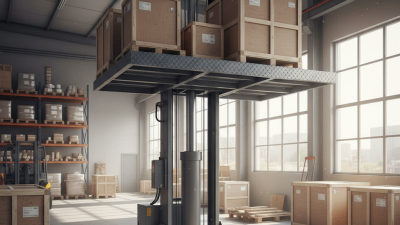
Why Choose an Industrial Hydraulic Lift?
Choosing an Industrial Hydraulic Lift is a practical decision for facilities that move heavy materials regularly. These systems use pressurized fluid to raise platforms, vehicles, pallets, or equipment with controlled force. In a busy warehouse, a lift may move a loaded pallet from floor level to a mezzanine within seconds. The operator sees the platform rise steadily, rather than relying on manual pushing or unstable temporary supports.
Experience shows that lifting capacity is only one part of the decision. Platform size, travel height, cycle frequency, floor conditions, and available maintenance space also matter. A correctly selected Industrial Hydraulic Lift can improve workflow, reduce physical strain, and support more consistent loading operations. However, no lift is perfect. Poor installation, uneven loading, or skipped inspections can create serious performance problems. That assumption can fail.
Reliable evaluation should include manufacturer specifications, rated-load data, emergency lowering features, guarding, and control placement. Qualified technicians should inspect hydraulic hoses, seals, cylinders, and safety devices according to documented procedures. Operators also need practical training, not just a short explanation beside the controls. A brief trial with an empty platform can reveal awkward access points or unclear signals before daily use begins. Ask difficult questions. Will the lift fit future demands? Can maintenance staff reach critical components safely? Is downtime acceptable if a seal requires replacement? These details help buyers compare equipment with professional judgment instead of choosing by price alone. A careful decision connects productivity with long-term safety and dependable service.
What Is an Industrial Hydraulic Lift?
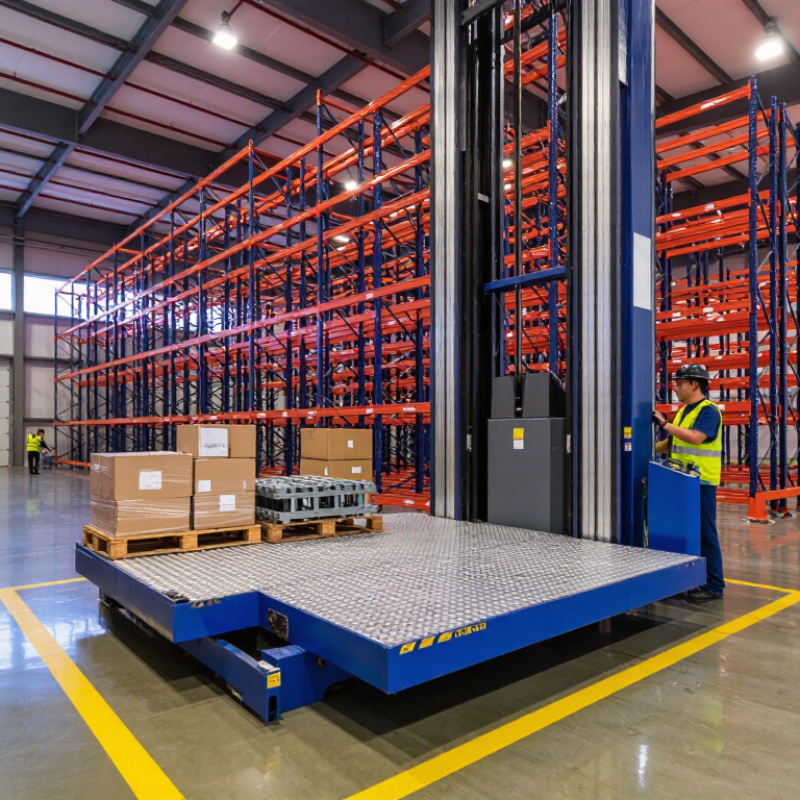
An industrial hydraulic lift is a mechanical platform that raises heavy materials or equipment through pressurized fluid. A pump moves hydraulic oil from a reservoir into one or more cylinders. The pressure pushes a piston, lifting the platform with controlled force. Valves regulate movement, while seals help prevent fluid loss.
It is commonly used in factories, warehouses, loading areas, and maintenance workshops. Operators may lift pallets, machinery parts, vehicles, or work platforms. In practice, the lift feels steady when the load is centered and the floor is level. Small weight shifts can still affect stability. That detail is easy to underestimate.
A reliable system depends on more than lifting capacity. Engineers check the rated load, platform size, travel height, cylinder condition, emergency stops, and guardrails.
Routine inspections should look for leaking hoses, unusual noise, uneven movement, and damaged welds. Clean hydraulic fluid also matters because contamination can wear valves and seals.
A lift may appear powerful while hiding internal damage. That is why trained personnel should follow the manufacturer’s service schedule and site safety procedures. The definition sounds simple, but safe operation requires careful judgment every day.
How Does an Industrial Hydraulic Lift Work?
Industrial hydraulic lifts raise heavy loads by converting fluid pressure into controlled motion. A motor drives a pump, which pushes hydraulic oil through a valve into a cylinder. Pressure acts on a piston, and the piston moves the platform upward. Simple in principle. The real system is more demanding. Load weight, center of gravity, oil temperature, and cylinder condition all affect performance. In a warehouse, you may hear a brief motor hum before a pallet rises smoothly from floor level.
When the operator releases the control, the valve regulates oil returning to the reservoir. Lowering should be gradual, not a sudden drop. A relief valve limits excessive pressure, while hoses, seals, guides, and mechanical stops support safe operation. Trained technicians inspect leaks, uneven movement, unusual noise, and platform drift. These signs often appear before a serious failure. Technical specifications and local safety rules must guide capacity, travel height, guarding, and inspection intervals. Guessing is not maintenance.
Hydraulic lifts suit factories because they deliver strong lifting force at modest speed and handle repeated cycles. They are not automatically the best choice for every site. Cold oil may slow movement, while contaminated oil can damage valves and seals. Practical experience shows that clean fluid and accurate load placement matter as much as rated capacity. Operators should keep feet clear, center loads, and never exceed the stated limit. Small shortcuts create large risks. Even experienced teams can overlook a worn seal during a busy shift, so documented checks remain essential.
Why Choose an Industrial Hydraulic Lift?
Hydraulic lifts deliver high lifting force in a compact system. The chart shows the theoretical lifting force produced by a 100 cm² hydraulic cylinder at common operating pressures.
A hydraulic pump pressurizes the fluid, and the pressure acts on the cylinder piston. The theoretical force is calculated as pressure × piston area. In practical equipment, actual lifting capacity is lower because of friction, valve losses, structural limits, and safety factors.
What Are the Main Types of Industrial Hydraulic Lifts?
Industrial hydraulic lifts use pressurized fluid to move heavy loads smoothly and with controlled force. Their design matters more than appearance. A lift beside a loading dock faces different demands from one inside a production line.
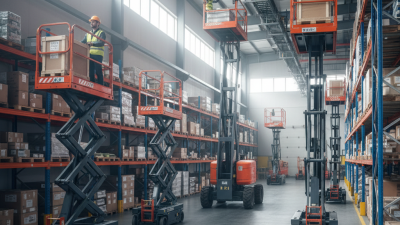
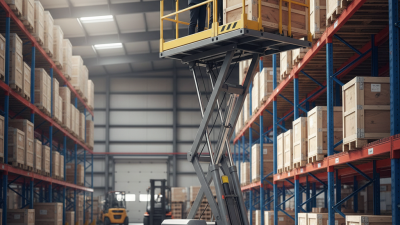
Hydraulic scissor lifts provide a broad, stable platform for pallets, machinery, and workers. They suit vertical movement where floor space is limited. Two-post lifts offer open access beneath vehicles or equipment, while four-post lifts provide stronger support for heavier loads and longer platforms.
Vertical reciprocating lifts move goods between levels and often include gates, guarding, and fixed landing points. Dock lifts bridge height differences between trucks and warehouses. Mobile hydraulic lifts add flexibility, but their wheels require careful positioning on firm, level flooring.
Each type has weaknesses. Scissor mechanisms need space beneath the platform. Four-post designs can occupy valuable floor area. Mobile units may shift if operators ignore surface conditions. In practice, the correct choice depends on rated capacity, lifting height, platform size, duty cycle, and the load’s center of gravity. A qualified engineer should verify structural support and local safety requirements.
Tips:
Check the load label before every lift. Keep feet and hands away from moving parts. Inspect hoses for cracks, fittings for leaks, and safety locks for proper engagement. Use physical barriers where falling objects or vehicle movement create hazards. Maintenance records should show inspections, repairs, and operator training. Small oversights become serious problems quickly.
Why Choose an Industrial Hydraulic Lift for Industrial Operations?
Why Choose an Industrial Hydraulic Lift for Industrial Operations?
Industrial operations often move heavy pallets, machinery, and materials between different heights. A hydraulic lift provides controlled vertical movement with strong lifting capacity. Its smooth operation can reduce sudden jolts, protecting both loads and nearby equipment. In busy workshops, this matters during repeated loading cycles.
A well-selected lift also improves workflow. Workers can position goods at a safer, more comfortable height, reducing unnecessary bending and reaching. Hydraulic systems are usually durable when inspected regularly and operated within their rated capacity. However, no lift is maintenance-free. Leaking hoses, worn seals, or uneven platforms can create serious risks. In my experience, small warning signs are often ignored until productivity suffers. That habit needs correction.
Tips: Check the rated load before every major task. Keep the platform clear and dry. Inspect hoses, fittings, guards, and emergency controls on a planned schedule. Train operators with the actual lift model and workplace layout. Installation quality also matters; an unstable base can undermine excellent equipment. Keep records of inspections and repairs. This simple practice supports safer decisions and more reliable performance. A hydraulic lift should match the building, duty cycle, load shape, and available service skills. The cheapest option may not remain economical after frequent downtime. Still, specifications alone are not enough. Observe the lift during real shifts. That is where hidden weaknesses appear.
What Safety and Maintenance Factors Should Be Considered?
An industrial hydraulic lift can save space, reduce manual handling, and position heavy loads precisely.
Its value depends on disciplined safety controls. The U.S. Bureau of Labor Statistics reported about 2.6 million nonfatal workplace injuries and illnesses in private industry during 2023. This figure is not lift-specific, but it shows the cost of weak prevention. A rated load must match the actual load, including tools and attachments. Operators should also check load balance, floor strength, platform condition, and visibility before raising anything.
Hydraulic systems need more than occasional cleaning.
Inspect hoses, fittings, seals, and cylinders for abrasion, swelling, leaks, or slow descent. A small oil stain can signal pressure loss. ISO 4413 recommends controlling stored hydraulic energy and preventing unexpected movement. Use physical supports during servicing, not the hydraulic pressure alone. Apply documented isolation procedures under OSHA 1910.147 where applicable. Guard pinch points and test emergency-lowering devices at planned intervals. Maintenance records should include dates, findings, repairs, and the technician’s name. In reality, skipped entries are common. That gap deserves attention.
Tips:
Train operators with practical demonstrations, not paperwork alone. Mark the safe load clearly near the controls. Keep the lifting zone dry and well lit. Stop operation after unusual noise, vibration, drifting, or leakage. Review inspection intervals after heavy use, relocation, or harsh environmental exposure. A clean-looking lift may still hide internal wear.