Inquiry
Form loading...

Why Choose an Electric Hoist Scaffold?

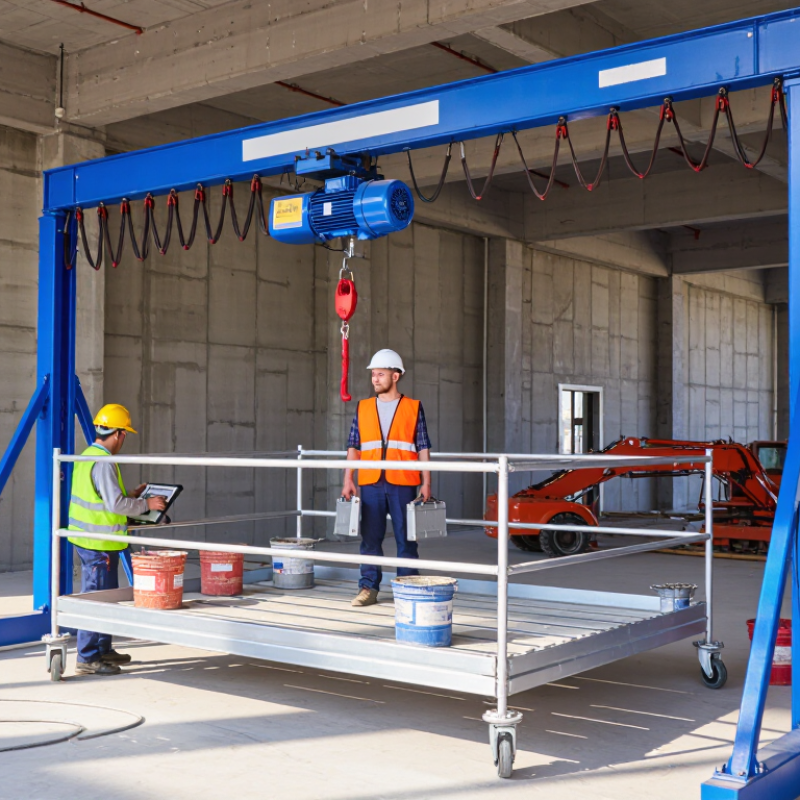
On a busy renovation site, moving workers and materials between levels can consume time and strain the crew. An Electric Hoist Scaffold offers a powered way to raise or lower a working platform, helping teams manage vertical access with less manual lifting. Its value is easiest to see when tools, supplies, and workers need to reach the same work area repeatedly. A bucket of fasteners or a toolbox may seem light, but many trips add up.

The right system depends on the job. Consider the building height, platform capacity, available power, installation conditions, and how often the scaffold will move. A qualified supplier can help match equipment specifications to the task, while trained personnel should handle setup, operation, and routine checks. Inspect the hoist, cables, controls, brakes, and connections before use, and follow the manufacturer’s instructions. Small details matter.

Powered lifting does not remove every challenge. The equipment needs suitable setup, regular inspection, and clear communication between the operator and workers on the platform. Poor planning can create delays rather than prevent them. Not always. For short jobs with little lifting, a simpler access option may be more practical. This guide explores why contractors choose an Electric Hoist Scaffold, what benefits to expect, and which limitations deserve attention before a purchase or rental. The goal is a balanced decision grounded in site needs, reliable specifications, and safe working practices—not just a promise of faster work.
Why Choose an Electric Hoist Scaffold?

What an Electric Hoist Scaffold Is

An electric hoist scaffold is a work platform raised and lowered by powered hoists, usually suspended from a roof or other engineered support. Workers stand on the deck while the hoists move it along the building façade. It is different from a material hoist, which lifts goods rather than carrying workers. Controls, suspension ropes, platform sections, and support points must work as one system. That distinction matters.

The U.S. Bureau of Labor Statistics recorded 1,075 fatal work injuries in construction in 2023, according to its Census of Fatal Occupational Injuries. This figure covers the whole construction sector, not scaffold incidents alone, but it shows why access equipment needs careful planning. OSHA’s scaffold standard, 29 CFR 1926.451, requires scaffolds to support their own weight and at least four times their maximum intended load. A qualified person should assess the setup, including the structure above the platform. One detail is easy to underestimate: uneven loading can affect how smoothly a suspended deck travels. Small details count.

Tips: Check the hoist’s rated capacity and the platform’s load limit before use. Keep tools secured, distribute materials evenly, and inspect ropes, controls, and connections before each shift. Follow the equipment manual and site procedures. If movement feels uneven, stop and investigate; don’t assume it will correct itself.
How an Electric Hoist Scaffold Works

Why Choose an Electric Hoist Scaffold?

How an Electric Hoist Scaffold Works

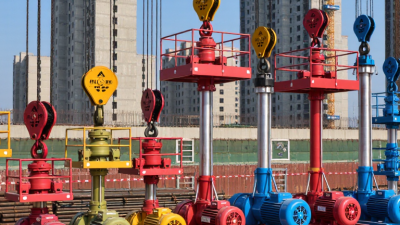
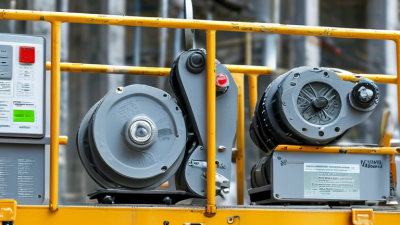
An electric hoist scaffold raises and lowers a work platform using powered lifting units and steel wire ropes. The ropes connect the platform to a properly designed overhead suspension system. When an operator uses the controls, an electric motor turns a drum or traction mechanism, moving the platform along the ropes. Releasing the control stops movement; brakes help hold the platform in place. Small adjustments can make a big difference.

Before use, workers check the platform, ropes, power supply, brakes, and travel limits. They also confirm that the load stays within the rated capacity, including tools and materials—not just people. During lifting, the platform should remain balanced and move evenly. If it tilts, snags, or makes an unusual sound, stop and investigate rather than forcing it onward. The weak point is often routine: a rushed inspection or a poorly distributed load can undermine otherwise sound equipment. Conditions change, too; wind, wet surfaces, and shifting materials deserve attention. No setup is perfect, so trained operators should follow the equipment instructions and site procedures every time.

Key Advantages of Electric Hoist Scaffolds

Why Choose an Electric Hoist Scaffold?

Key Advantages of Electric Hoist Scaffolds

Electric hoist scaffolds can move workers and materials vertically with less manual effort. At a busy building site, that may mean fewer trips carrying tools up ladders and a steadier flow of supplies. The benefit is practical. Crews can spend more time on installation and less time hauling equipment.

Controlled lifting can also make positioning materials more predictable. A bucket of fittings or a compact tool case can be raised to the working level without repeated handoffs. This can reduce fatigue, though it does not remove the need for careful handling. Operators still need to respect the rated capacity, keep loads balanced, and follow the equipment’s operating instructions.

Electric systems may support smoother movement than manual lifting, but site conditions matter. Dust, rain, uneven ground, or a poorly planned loading area can create problems. Inspect the hoist, scaffold connections, controls, and safety devices before use. Keep the lifting path clear. Small checks matter.

There is a trade-off: powered equipment needs a suitable power supply and trained operators. A brief outage can interrupt work, so crews should understand the approved stopping and lowering procedures. Not every task needs an electric hoist. For frequent vertical transport, however, reduced physical effort and more organized material movement can make the setup worthwhile.

Why Choose an Electric Hoist Scaffold?

Scaffold platform duty-load benchmarks (lb/ft²)

Electric hoists can help move materials to the work area with less manual lifting. These OSHA Appendix A duty-load benchmarks describe scaffold platform design categories; they are not electric-hoist capacity ratings. Always check the scaffold and hoist ratings for the specific setup.

Common Applications Across Worksites

An electric hoist scaffold can help crews move people and materials vertically where ladders or fixed platforms slow the work. On building sites, it may support façade repairs, window installation, painting, and masonry tasks. In warehouses, it can provide access to high shelving or overhead services. Maintenance teams may also use one in factories, atriums, and large indoor spaces. Suitability depends on the scaffold’s rated capacity, site layout, and the work being done. A hoist does not remove the need for careful planning.

Tips: Check the load rating and anchorage before use. Keep the platform clear of loose tools. Inspect controls, cables, and guardrails at the start of each shift. Small details matter.

The practical benefit is steady access with less manual lifting, especially when tools or supplies must reach a raised work area. Yet crowded sites, uneven ground, and changing loads can complicate setup. They deserve attention. Select equipment for the actual task, not just the maximum height. Follow the manufacturer’s operating instructions, and have trained personnel inspect and operate the system. If the work area changes during the day, reassess access and loading rather than assuming the original arrangement still fits.

Factors to Consider When Choosing One

Choosing an electric hoist scaffold starts with the work, not the motor. Estimate the platform’s total load, including workers, tools, materials, and any uneven distribution. Then check the required lift height, platform length, speed, and duty cycle. A hoist that moves smoothly during a brief test may overheat during repeated shifts. Small details matter.

Power and site conditions deserve equal attention. Confirm the available voltage, cable routing, weather exposure, and emergency-lowering arrangements. The supporting structure and suspension points must be suitable for the complete system, not just the platform.

OSHA estimates that scaffold accidents cause about 4,500 injuries and 50 deaths annually in the United States. That figure is an agency estimate, not a prediction for one project, but it underlines why load limits and competent inspections matter.

Keep controls reachable, and make sure operators understand stop and emergency procedures.

Compare maintenance access, inspection requirements, and the availability of trained service personnel before choosing equipment. Ask for rated-load information and documentation for the hoist, platform, wire ropes, and suspension system.

On a real site, wind, awkward material loads, or a poorly placed power cable can complicate an otherwise suitable setup. I would not choose by lifting capacity alone; it is easy to overlook how the scaffold will be inspected and lowered when something goes wrong.

Source: OSHA Scaffold Safety eTool.