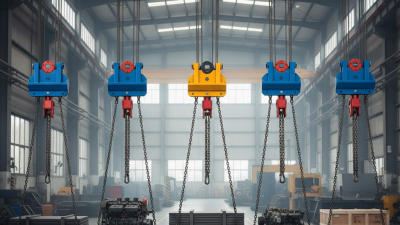
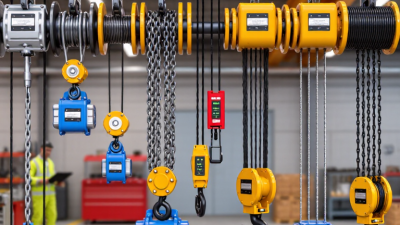
Choosing the China best Chain Block Crane supplier for global buyers requires more than comparing catalog prices. A dependable supplier should demonstrate engineering experience, stable production, traceable materials, and clear export support. Buyers need evidence, not attractive claims.
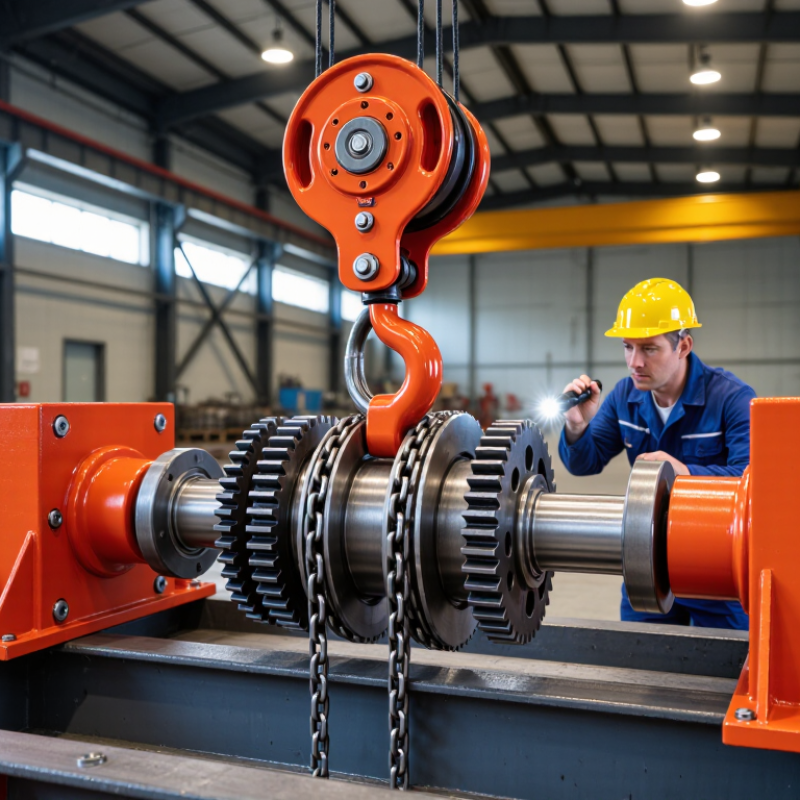
A suitable Chain Block Crane should match the working load, lifting height, duty cycle, and site environment. Inspect the load chain, hooks, gears, hand chain, and automatic brake carefully. Test certificates matter. So do welding records, factory inspection reports, spare-parts availability, and packaging quality. A serious manufacturer can explain these details without hesitation. Lifting-equipment specialist David R. Halsey states, “A chain block earns trust one inspection at a time.” This principle is simple, but often overlooked.
China offers extensive manufacturing capacity and competitive pricing. However, supplier quality is not uniform. Some factories communicate well before payment, then respond slowly after shipment. That possibility deserves attention. Ask for sample inspection, production photographs, independent testing, and realistic delivery schedules. Confirm whether the supplier understands your regional safety requirements and operating conditions. Salt air, dusty workshops, and frequent overload risks can change the correct specification.
The best supplier is not always the cheapest. It is the partner that documents performance and accepts technical questions. Buyers should compare warranty terms, inspection methods, certification validity, and after-sales response times. A small mistake can create costly downtime. No supplier is perfect. Still, transparent records and practical engineering support make the selection safer, clearer, and more reliable for international Chain Block Crane buyers.
Choosing a chain block for global projects requires more than comparing prices. Capacity alone can mislead.
Working Load Limit, or WLL, is the approved lifting load, not the breaking load. A 2 t chain block should lift 2 tonnes only under stated conditions.
ASME B30.16 provides guidance on inspection, operation, and rated load control. EN 13157 also addresses manually operated lifting equipment.
Common models cover 0.5 to 20 t, with lift heights often ranging from 3 to 9 metres. Longer lifts require more chain and careful storage.
Chain falls matter too. One fall usually offers faster movement and lower headroom. Multiple falls improve mechanical advantage, but lifting becomes slower. A 20 t unit commonly uses several falls. The frame may look oversized, yet that weight reflects the load path.
Tips:
Confirm WLL, lift height, chain diameter, chain falls, headroom, and test documentation. Ask for inspection records.
The U.S. Bureau of Labor Statistics recorded 5,283 fatal work injuries in 2023, reminding buyers that lifting discipline remains essential.
Do not treat a certificate as a substitute for daily checks. Inspect hooks, latches, hand chains, load chains, and abnormal noise.
A perfect buying formula does not exist. Site conditions change. Salt air, angled loading, and shock loading can reduce safe performance. Suppliers should provide clear technical drawings, operating instructions, and traceable test records.
China Best Chain Block Crane Supplier for Global Buyers?
When comparing chain block crane suppliers, look beyond price and lifting capacity. A 4:1 safety factor means the rated working load should remain well below the tested breaking load. It does not make poor maintenance safe. Ask for test records, material details, and clear load charts. The figures should match the exact model, not a similar product.
Proof-load testing gives useful evidence of assembly quality. A supplier should identify the test load, holding time, inspection method, and certificate number. Watch for vague paperwork. In practical inspections, chain links, hooks, and side plates often reveal more than polished documents. Brake ratings deserve equal attention. The brake should hold the rated load without creeping, sudden release, or excessive heat. Some suppliers describe brake capacity unclearly, which needs careful questioning. A stronger factor is not automatically a better hoist if the brake response feels rough.
Tips: Request a witnessed proof-load test when possible. Compare the 4:1 calculation with the stated WLL. Check whether the brake rating covers lifting, stopping, and suspended-load holding. Photograph serial plates and test setups. Keep records.
A supplier’s reliability appears in small details. Consistent markings matter. So does honest discussion of limitations. I have found that incomplete answers may signal weak quality control. That is not proof of failure, but it deserves reflection before purchase. Reserve capacity is valuable, yet operating conditions can change the real risk. Consider dust, temperature, impact loading, and operator training.
China Best Chain Block Crane Supplier for Global Buyers?
Compliance Check: EN 13157, ASME B30.16, CE, and ISO 9001 Evidence
A reliable chain block supplier should provide more than a polished certificate. Ask for current test reports, certificate numbers, product scope, and issuing-body details. EN 13157 evidence should match the exact manual lifting equipment and rated capacity. ASME B30.16 documents should address inspection, operation, and safe-use requirements for the hoist. These standards are not interchangeable. A factory may meet one framework while missing another.
CE marking requires a valid Declaration of Conformity and supporting technical documentation. Check whether the declaration names the correct model, capacity, and applicable European directives. ISO 9001 confirms a quality management system, not automatic product compliance. Request the certificate scope, validity period, and audit organization. During a factory review, inspect load-test records, chain dimensions, brake checks, and serial-number traceability. A sample inspection is useful, but it cannot replace independent verification.
Tips: Match every document to the delivered unit. Check dates carefully. Ask for redacted reports if confidential details apply. Photograph the nameplate and test setup. One weakness remains: paperwork can look complete while production changes quietly. Recheck samples before shipment, and record corrective actions in writing. Practical experience often reveals gaps that certificates do not show.
For global buyers, a factory audit should examine evidence, not polished presentations. Every finished chain block should receive a documented load test before shipment. Inspectors can check the calibrated load cell, test weight, duration, and recorded result. A test certificate without equipment calibration records is incomplete. Records matter. The lifting chain, hooks, gears, and brake assembly should match the tested unit.
Traceability must continue beyond a serial number stamped on the frame. Strong systems connect each unit with material batches, heat-treatment records, assembly workers, inspection dates, and packing photos. This helps investigators identify a failed component quickly. In practice, paperwork can contain small gaps. That gap matters. Buyers should sample records from production, not only review prepared examples. Clear corrective-action reports also reveal how seriously a factory handles defects.
Spare-part readiness often decides whether equipment remains useful after delivery. Ask for actual lead times for brake discs, load chains, hooks, hand wheels, and fasteners. A supplier may quote seven days, yet stock could be uncertain. Request warehouse counts and recent dispatch records. Regional service partners can reduce waiting, but their coverage should be verified. A reliable audit also reviews packaging, moisture protection, replacement instructions, and communication after purchase. One overlooked detail is enough.
China Best Chain Block Crane Supplier for Global Buyers?
A credible supplier should explain MOQ before quoting price. For chain block cranes, ask whether MOQ means one unit, one model, or one container. Small orders reduce inventory risk, but unit cost may rise sharply. The World Bank’s 2023 Logistics Performance Index surveyed 4,090 professionals across 139 economies. Its findings show that predictable logistics remain a major purchasing advantage. Request production lead time, packing photos, inspection records, and lifting-test evidence before payment.
Incoterms must be written clearly. Under ICC Incoterms 2020, rules define delivery responsibilities, costs, and risk transfer. They do not guarantee product quality or after-sales support. Compare FOB, CIF, and DAP using the same destination port and insurance assumptions. A practical buyer should also confirm customs documents, spare-parts availability, and cargo-damage procedures. UNCTAD reports that over 80% of global merchandise trade moves by sea, so port delays deserve serious attention.
A 12-month warranty sounds useful, but vague wording creates disputes. Define coverage for brakes, chains, hooks, gears, and manufacturing defects. Set measurable after-sales KPIs: response within 24 hours, technical action within 72 hours, and replacement-part dispatch within seven working days. Track complaint closure rates monthly. These figures are not universal industry standards. They are purchasing controls. One weakness remains: suppliers may report response time while ignoring resolution quality. Ask for anonymized service records and a written escalation path. Tensile certificates and serial-number traceability also improve confidence.
Procurement reference table for comparing chain block and manual chain hoist suppliers without displaying company or brand data.
| Evaluation Dimension | Buyer Requirement or Reference Range | Recommended Commercial Data to Request | Acceptance or Verification Method | Procurement Risk if Not Confirmed |
|---|---|---|---|---|
| Product Type | Manual chain block, lever hoist, or electric chain hoist; select according to lifting frequency, available power, and working environment. | Product classification, intended application, operating temperature, indoor or outdoor use, and duty cycle. | Review the technical datasheet, operating manual, and application-specific quotation. | Incorrect equipment selection, reduced service life, or unsafe operation. |
| Rated Capacity | Common manual chain block capacities include approximately 0.5 t, 1 t, 2 t, 3 t, 5 t, 10 t, and higher custom capacities. | Rated load, proof-test load, net weight, headroom, and load-chain specification. | Compare the nameplate, certificate, drawings, and test documentation with the purchase order. | Overloading, non-compliance, or inability to meet the lifting plan. |
| Standard Lift | Typical standard lift lengths are around 3 m, while longer lifts may be available by configuration. | Standard lift, maximum available lift, chain length, and excess-chain storage method. | Confirm dimensions on the approved drawing and inspect the delivered chain length. | Insufficient lifting height or unexpected modification cost. |
| Operating Mechanism | Manual models normally use a hand chain and mechanical load-brake system; electric models require compatible power and controls. | Brake type, hand-chain force, mechanical efficiency, control voltage, motor rating, and duty classification where applicable. | Review operating instructions and conduct a no-load and rated-load functional test. | Excessive operator effort, brake slippage, or incompatible site power. |
| Safety Features | Load chain, hooks, latches, brake components, overload protection where specified, and clearly marked rated capacity. | Safety factor, hook material, latch design, chain grade, inspection points, and replacement-part list. | Check certificates, visual condition, markings, and pre-shipment inspection records. | Higher accident exposure and difficulty proving conformity after an incident. |
| Applicable Standards | Standards depend on the destination market and product type. Common references may include ASME B30.16, EN 13157, ISO 16877, or applicable local regulations. | Exact standard edition, conformity declaration, test reports, and scope of certification. | Verify that the cited standard covers the supplied product and intended market. | Customs delays, failed site audits, or inability to use the equipment legally. |
| Minimum Order Quantity (MOQ) | For standard catalog models, a practical starting reference is 1 unit for samples, approximately 5–20 units for small batch orders, and 20+ units for project or OEM orders. | Sample MOQ, production MOQ, mixed-model policy, spare-parts MOQ, and packaging MOQ. | Obtain a written quotation showing quantity breaks and validity period. | Unexpected inventory, higher unit cost, or inability to mix required capacities. |
| Lead Time | Standard models are often planned around 15–30 calendar days after payment or order confirmation; custom configurations may require longer. | Production lead time, inspection time, export-document time, and estimated shipping schedule. | Request a milestone schedule and include the confirmed date in the purchase contract. | Project delays, storage charges, and missed installation dates. |
| Incoterms | EXW places most origin-side arrangements with the buyer; FOB includes seller delivery to the named port; CIF includes cost, insurance, and freight to the named destination port; DAP covers delivery to a named place excluding import clearance and duties. | Named place or port, Incoterms® 2020 rule, export clearance responsibility, insurance scope, and destination charges. | Match the pro forma invoice, bill of lading, insurance document, and contract wording. | Unplanned freight, customs, insurance, terminal, or last-mile delivery costs. |
| Payment Terms | Common international structures include a deposit with balance before shipment; the exact split should reflect order value, inspection rights, and buyer risk. | Currency, deposit percentage, balance trigger, bank charges, documentary requirements, and refund terms. | Ensure payment terms are consistent across the quotation, contract, and commercial invoice. | Cash-flow pressure or limited leverage if quality issues arise before shipment. |
| 12-Month Warranty | A 12-month warranty from shipment or commissioning is a common commercial reference, but the start date and exclusions must be expressly defined. | Warranty period, covered components, labor and freight responsibility, exclusions, claim procedure, and remedy timeline. | Place the warranty clause in the signed contract rather than relying only on a quotation statement. | Disputes over wear parts, misuse, transport damage, or warranty start date. |
| Spare Parts Support | Plan critical wear and safety-related parts for the expected operating period, including load chain, hooks, latches, brake parts, hand chain, and fasteners where applicable. | Parts list, part numbers, unit prices, availability period, packaging, and recommended stock quantity. | Cross-check the spare-parts list against the maintenance manual and equipment bill of materials. | Extended downtime and difficulty maintaining the original configuration. |
| Technical Documentation | Documentation should be supplied in a language understood by the operating and maintenance teams. | Manual, inspection checklist, load chart, drawings, certificate of conformity, test certificate, and packing list. | Complete a document review before shipment and retain controlled revisions. | Training gaps, maintenance errors, and failed compliance reviews. |
| Pre-Shipment Inspection | Inspection should confirm quantity, model, capacity, markings, dimensions, packaging, and functional condition. | Inspection checklist, photo record, test results, nonconformity process, and approval deadline. | Use buyer inspection, an independent inspection service, or documented supplier quality-control records. | Defects discovered only after arrival, creating return and replacement costs. |
| Packaging and Export Readiness | Packaging should protect painted and machined surfaces from moisture, impact, contamination, and corrosion during multimodal transport. | Gross and net weight, carton or crate dimensions, lifting points, moisture protection, shipping marks, and pallet requirements. | Approve packaging photos and compare marks with the shipping documents. | Transit damage, port handling problems, or inaccurate freight calculations. |
| After-Sales Response KPI | Recommended buyer target: acknowledgement of a service request within 1 business day. | Ticket timestamp, responsible contact, escalation path, and communication channel. | Track each request from submission to first response using a service log. | Slow issue containment and unclear ownership of urgent problems. |
| Technical Resolution KPI | Recommended target: initial technical action plan within 3 business days for standard cases, subject to evidence availability. | Root-cause process, required photos or videos, replacement-part decision time, and corrective-action format. | Measure elapsed time from complete complaint evidence to documented action plan. | Repeated downtime and unresolved operational or safety concerns. |
| Warranty Claim KPI | Recommended target: claim decision within 5 business days after receiving complete supporting evidence. | Claim form, evidence checklist, approval authority, replacement or repair commitment, and freight responsibility. | Review claim records quarterly and calculate the percentage resolved within the agreed SLA. | Uncontrolled warranty cost and disputes over responsibility. |
| On-Time Delivery KPI | Recommended buyer target: at least 95% of confirmed shipments dispatched by the agreed date. | Confirmed ready date, actual dispatch date, delay reason, corrective action, and exception approval. | Calculate on-time delivery as shipments dispatched on or before the agreed date divided by total shipments. | Installation disruption and unreliable project planning. |
| Defect Rate KPI | Track incoming defects by units received; set the contractual target according to product criticality and inspection results. | Defect classification, severity, affected batch, corrective-action deadline, and replacement rate. | Use receiving inspection data and calculate defects per 100 delivered units. | Hidden quality trends and recurring field failures. |
| Supplier Scorecard | Suggested weighting: quality 30%, delivery 25%, technical compliance 20%, total landed cost 15%, and after-sales performance 10%. | Monthly or quarterly score, evidence for each metric, corrective actions, and review owner. | Use the same scoring method across all shortlisted suppliers. | Decisions based only on unit price rather than total procurement risk. |

Reference note: Commercial ranges and KPI targets are planning benchmarks, not universal legal or contractual requirements. Confirm the final specification, applicable standards, Incoterms® 2020 rule, warranty wording, import obligations, and service-level commitments in the signed purchase contract.