Inquiry
Form loading...

7 Chain Block Crane Buying Tips for Global Buyers

Buying a Chain Block Crane for international operations is not simply a capacity decision. It is a practical assessment of loads, work environments, operators, maintenance access, and supplier reliability. A 2-ton model may lift the stated load, yet still fail as a sensible choice in a humid workshop or remote construction site.

“Safe lifting begins with matching the equipment to the real task, not the imagined task,” says Mark Bridger, a lifting-equipment safety consultant. His point deserves attention. Buyers should check the working load limit, lift height, chain grade, hand-chain effort, load brake, hook design, and overload protection. Product markings must remain readable after transport and daily use. Inspection records should also be available.

Global purchasing adds another layer. Verify test certificates, serial-number traceability, spare-part availability, warranty terms, and technical support before placing an order. Confirm that the supplier understands the destination’s recognized safety requirements. A reliable manufacturer should explain inspection intervals clearly, not hide them inside vague paperwork.

Think about the actual scene. Will the crane hang beside saltwater, dust, heat, or uneven ground? Can a technician replace the brake without waiting months for parts? Will operators receive instructions in a language they understand?

Some buyers focus too heavily on price. I have seen that approach create expensive delays. Still, even a detailed checklist has limits. Supplier claims require independent verification, and real site conditions may change after purchase. These seven buying tips help global buyers ask sharper questions, compare Chain Block Crane options fairly, and reduce avoidable lifting risks. No shortcut replaces competent inspection.
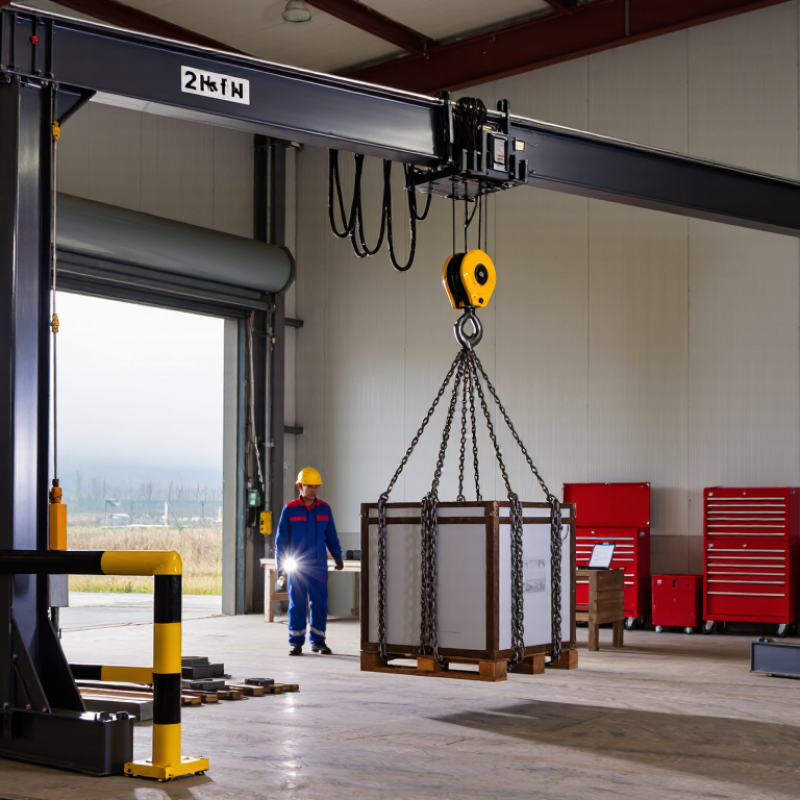
7 Chain Block Crane Buying Tips for Global Buyers

Set the Lift Baseline: WLL, Lift Height, Headroom, and Duty Class

Before comparing prices, define the working lift baseline. Working Load Limit (WLL) must match the heaviest intended load, not the average load. Include the load’s center of gravity, lifting points, and possible movement. Dynamic forces can increase tension during starting or stopping. The label matters. Never select a chain block by capacity alone.

Measure lift height from the beam’s underside to the final landing point. Then allow space for the hook, sling, load height, and required clearance. Headroom is often overlooked in crowded workshops and shipping areas. A longer chain does not solve insufficient headroom. Check the block’s minimum distance between the support point and load hook. A simple site sketch can reveal problems before purchase.

Duty class shows how often and how hard the equipment may operate. Occasional maintenance lifting differs greatly from repeated production cycles. Ask for rated cycles, test conditions, inspection intervals, and applicable technical standards. WLL does not prove long-term endurance. Also confirm operating temperature, corrosion exposure, and whether side pulling is prohibited. It should be. One practical mistake is measuring the load but not the surrounding structure. Verify beam strength and attachment points with a qualified engineer. A careful checklist may still miss a real-site issue. That is why trial fitting and documented inspection records remain valuable for global buyers.
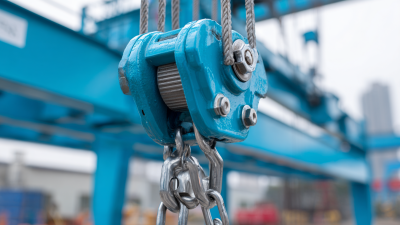
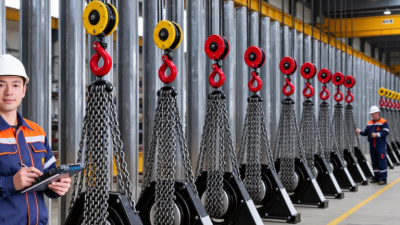
Match Capacity and Speed: Compare WLL, Hand-Chain Pull, and Lift Rate

When buying a chain block crane, match the working load limit (WLL) to the real load, not its average weight. Include lifting beams, hooks, slings, and possible impact loads. A 2-ton load may require a 3-ton unit after attachments and operating conditions are considered. ASME B30.16 requires rated-load markings and inspection controls for underhung hoists. Check the data plate carefully. Small details matter.

Hand-chain pull affects daily productivity more than many buyers expect. A higher WLL does not always mean easier operation. Internal gearing, friction, and lift height can increase the force needed at the chain. Ask suppliers for hand-chain pull at rated load, not an unloaded estimate. The European Materials Handling Federation recommends comparing operating data under consistent test conditions. Otherwise, two impressive specification sheets may hide different user effort.

Lift rate also needs practical attention. A fast hoist can reduce handling time, but it may increase load swing during positioning. Confirm whether the stated rate applies at full WLL, partial load, or no load. ISO 4301 classification guidance can help evaluate duty cycles and expected service frequency. In a warehouse, 3 meters per minute may feel adequate. On a production line, it may feel painfully slow. I have seen buyers focus on capacity and regret ignoring operator fatigue. The better comparison combines WLL, hand-chain pull, lift rate, duty class, and inspection access.

7 Chain Block Crane Buying Tips for Global Buyers — Match Capacity and Speed: Compare WLL, Hand-Chain Pull, and Lift Rate

Buying tip What to compare Why it matters Practical buyer check
1. Confirm the required WLL Working Load Limit (WLL), shown in tonnes or kilograms WLL is the maximum permitted working load under stated conditions; it is not the same as breaking load. Select a unit whose marked WLL is at least the total suspended load, including lifting accessories. Never exceed the lowest-rated component.
2. Match hand-chain pull to the worksite Maximum hand-chain effort at rated load, expressed in newtons (N) Lower hand-chain pull can reduce operator fatigue, especially when loads are lifted frequently or from awkward positions. Ask for a tested value at rated load. Do not assume that a higher WLL unit will have the same operating effort as a smaller unit.
3. Compare lift rate Approximate manual lift rate in metres per minute (m/min) Manual chain blocks generally lift more slowly as capacity increases because more mechanical advantage is required. Use a faster hoist for repetitive positioning, but prioritize safe control and operator effort over speed alone.
4. Verify lift height Standard and optional lifting heights, measured in metres Insufficient chain length can prevent the load from reaching the required working position. Specify the distance from the supporting point to the final load position, plus enough clearance for rigging and safe operation.
5. Check headroom and self-weight Minimum headroom, overall dimensions, and hoist net weight A compact, lighter unit is easier to install and transport, but construction size normally increases with WLL. Compare hook-to-hook distance, body width, and product weight with the available beam, trolley, access route, and handling equipment.
6. Match the operating environment Indoor or outdoor use, moisture, dust, temperature, and corrosion exposure Environmental conditions affect chain wear, brake performance, lubrication, and inspection intervals. Request suitable protection, materials, lubrication instructions, and temperature limitations for the destination country and application.
7. Confirm standards and documentation Markings, inspection instructions, test certificates, spare parts, and applicable local regulations Traceable documentation supports safe commissioning, maintenance, customs clearance, and workplace compliance. Require a permanently marked WLL, clear operating instructions, proof of load testing where required, and documentation in an accepted language.

Typical Manual Chain Block Planning Data

Nominal WLL Typical hand-chain pull at rated load Typical lift rate Suggested application profile Selection note
0.5 t (500 kg) Approximately 240–300 N Approximately 2.0–3.0 m/min Light maintenance, installation, and workshop lifting Check that the support point and rigging also have at least 0.5 t WLL.
1 t (1,000 kg) Approximately 280–340 N Approximately 1.5–2.5 m/min General-purpose plant maintenance and positioning Allow additional capacity when load weight is uncertain or dynamic effects may occur.
2 t (2,000 kg) Approximately 300–360 N Approximately 1.0–1.8 m/min Equipment installation and moderate-duty lifting Review operator access and expected lifting frequency before choosing manual operation.
3 t (3,000 kg) Approximately 320–390 N Approximately 0.8–1.4 m/min Heavy maintenance and controlled positioning A mechanical or powered alternative may be more suitable for frequent lifting cycles.
5 t (5,000 kg) Approximately 350–420 N Approximately 0.5–1.0 m/min Heavy industrial maintenance and infrequent lifts Confirm that the beam, trolley, anchor, hooks, and slings are all rated for the complete system load.
10 t (10,000 kg) Approximately 380–460 N Approximately 0.3–0.6 m/min Heavy-duty plant work and occasional high-capacity lifting Obtain an application review and confirm the supporting structure before purchase or installation.

Note: The hand-chain pull and lift-rate figures are indicative planning ranges for manually operated chain blocks, not guaranteed product specifications. Actual values vary with reeving, gear ratio, lift height, load condition, lubrication, manufacturing tolerances, and test method. Always use the manufacturer’s certified data and applicable lifting regulations for final selection.

Verify Compliance with ASME B30.16 and EN 13157 Safety Requirements

When buying a chain block crane, treat compliance as a purchasing requirement, not a paperwork exercise. ASME B30.16 addresses the safe use and inspection of underhung hoists. EN 13157 covers manually powered cranes and lifting equipment. These standards are related, but they are not interchangeable.

Ask the supplier which standard the crane was designed and tested against. Request the current declaration, test certificate, rated capacity, operating instructions, and inspection records. Check that the nameplate shows working load limit, chain grade, lifting height, and service conditions. Examine the hook latch, load chain, hand chain, brake, and suspension point. Small defects matter. A stiff brake is not a minor detail.

Match the documents with the actual crane. Photograph the serial plate before shipment. Compare its capacity with your lifting plan and support structure. Confirm whether the equipment suits indoor, outdoor, dusty, humid, or low-temperature use. Local rules may require additional registration, testing, or operator training beyond ASME B30.16 or EN 13157. Get that confirmed in writing.

A practical inspection is essential. Operate the empty block slowly, then test it under controlled conditions. Listen for clicking, slipping, or uneven chain movement. Do not rely only on a certificate. Certificates can be accurate yet incomplete. I have seen buyers overlook installation limits because the paperwork looked professional. That mistake deserves attention.

Audit Hooks, Load Chain, Brake Tests, and Inspection Records

7 Chain Block Crane Buying Tips for Global Buyers

Audit Hooks, Load Chain, Brake Tests, and Inspection Records

A reliable chain block begins with traceable design information. Ask for rated capacity, service classification, test methods, and operating limits. Check whether the audit hook carries clear markings and shows no cracks, twisting, or unusual throat opening. A hook latch is useful, but it cannot repair structural damage. Look for stamped evidence.

Inspect the load chain link by link, including areas hidden inside the pocket wheel. Measure elongation, inspect flattened surfaces, and reject links with deep nicks or corrosion pits. The chain should move smoothly without stiff joints. Confirm that the chain grade matches the manufacturer’s technical documentation. An attractive finish proves little. This is where buyers sometimes trust appearance too much.

Test the brake under controlled load, not only during an unloaded demonstration. The load must stop without drifting, slipping, or producing sharp mechanical noise. Request records showing test date, applied load, inspector identity, and corrective actions. Records should also cover lubrication, chain replacement, hook inspection, and periodic functional checks. Keep original documents with the equipment. A copied checklist may omit important details. Review the inspection frequency against actual working conditions, especially dust, moisture, heat, and frequent lifting. If a supplier avoids practical questions, pause the purchase. Cheap equipment can become expensive when inspection evidence is incomplete.

Calculate Global Cost: Freight, HS Codes, Spares, Warranty, and Service

1

Tip 1: Calculate the landed cost, not only the crane price. Request freight quotes based on packed dimensions, gross weight, destination port, and delivery terms. A wooden crate can change the freight bill significantly. Include insurance, customs duty, handling fees, and local transport. I once underestimated port charges. That mistake made a competitive quote surprisingly expensive.

2

Tip 2: Confirm the correct HS code before payment. The code affects duty rates, documentation, and customs clearance. Ask the supplier for the proposed code, then verify it with your customs broker or local authority. Never rely on a copied invoice. Classification can differ between countries. Keep the product description precise, including lifting capacity, power type, and control method.

3

Tip 3: Price essential spares and service support together. Ask for brake components, chains, hooks, wheels, electrical parts, and inspection tools. Check stock locations and realistic delivery times. A low-cost spare is useless if it arrives after a shutdown. Warranty terms need careful reading. Confirm coverage periods, excluded wear parts, response times, and who pays return freight. Remote troubleshooting may help, but complex repairs still need qualified technicians. Leave room for uncertainty. Some service assumptions will be wrong. Record every promise in the purchase contract.