7 Power Chain Hoist Buying Tips for Global Buyers
A Power Chain Hoist may look simple on a supplier’s specification sheet: motor, chain, hook, and pendant control. In daily use, however, those parts face repeated lifting cycles, dust, vibration, and changing operator demands. A hoist selected for a warehouse may not suit a foundry or a port. The difference matters.
The International Labour Organization’s 2023 report, A Call for Safer and Healthier Working Environments, estimates nearly three million work-related deaths each year worldwide. That figure covers many causes, not hoist incidents alone, but it underscores why lifting equipment deserves careful review. Buyers should assess rated capacity, duty classification, lift height, lifting speed, power supply, braking, and overload protection. They should also verify inspection documents, spare-part availability, service support, and the standards applicable at the installation site. Details count.
Seven practical buying tips can help global buyers compare suppliers beyond headline price. Check whether quoted capacity matches the real load, including lifting attachments. Ask for clear test records and operating instructions. Confirm voltage and control compatibility before shipment. A lower price can still cost more when replacement chains or technical support are hard to obtain. That happens.
No checklist guarantees a perfect purchase. Specifications may be incomplete, and supplier claims need verification. Treat this guide as a starting point, then have a qualified lifting-equipment professional review the intended application and documentation before ordering.
Understanding Power Chain Hoists and Their Main Components
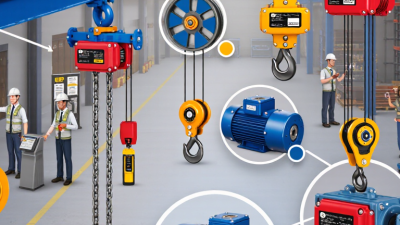
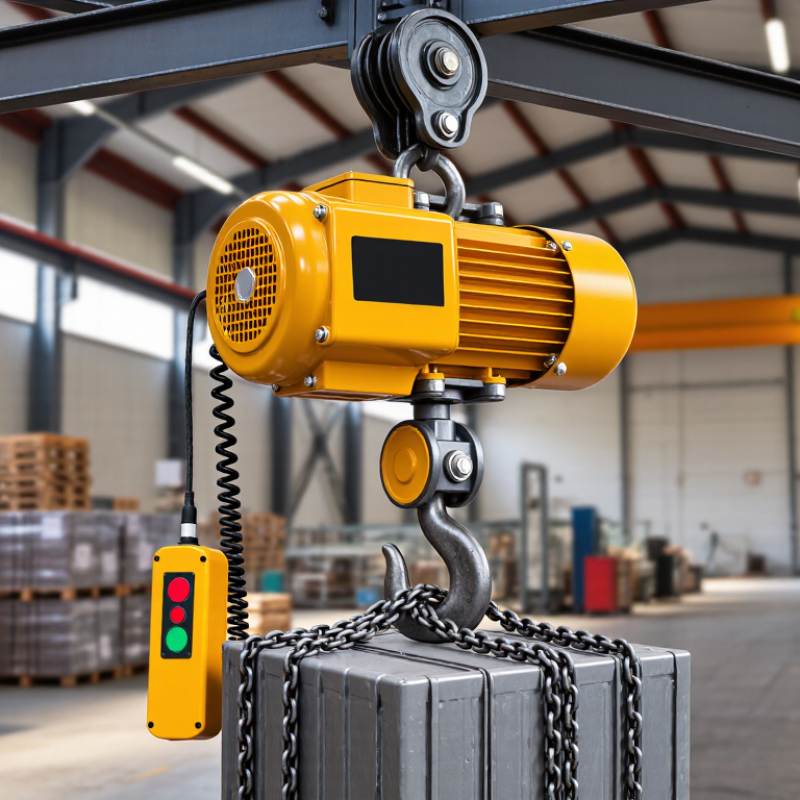
A power chain hoist converts motor power into controlled lifting force. Its motor drives a gearbox, which turns the load-sheave and moves the chain. The load chain, hook, brake, and controls each affect safe operation. The brake holds a suspended load when power stops; the upper limit switch helps prevent excessive travel. Simple on paper. In practice, small details matter: chain size, hook clearance, and pendant reach can change how smoothly a hoist fits a work area.
For buyers, compare rated capacity, lifting speed, duty classification, available voltage, and required lift height. Check that the chain and hook suit the intended load, not just the largest occasional lift. BLS recorded 5,283 fatal work injuries across U.S. workplaces in 2023, in its Census of Fatal Occupational Injuries. This figure is not specific to hoists, but it is a useful reminder to treat lifting equipment selection as a safety decision. Ask for inspection and maintenance guidance, and confirm that replacement parts are identifiable. A hoist can meet a capacity rating and still be a poor fit if its operating cycle is underestimated. That part is easy to miss.
Assessing Load Capacity, Lift Height, and Operating Speed
Start with the heaviest load the hoist will handle, including slings, hooks, and other lifting attachments. Compare that total with the hoist’s rated capacity, not just the typical load listed in a work plan. Leave room for real operating conditions. A hoist that barely meets the expected weight may limit safe, practical use.
Measure lift height from the lowest pickup point to the highest placement point. Then check the available headroom above the load, since a hoist may need more vertical clearance than its hook travel suggests. A few centimetres can matter in a low-ceiling workshop. This detail is easy to miss.
Operating speed should match the task. Faster lifting can reduce cycle time when moving loads between clear, predictable locations. Slow, controlled movement is more useful for placing equipment beside a machine or aligning a component. Variable-speed control may help with both, but it can add cost and complexity. Consider expected starts, stops, and daily cycles, too. The fastest option is not always the best fit. Compare the supplier’s stated capacity, lift height, and speed with the actual workspace and operating pattern, and clarify any specifications that remain uncertain.
Comparing Power Sources, Controls, and Safety Features
7 Power Chain Hoist Buying Tips for Global Buyers
Comparing Power Sources, Controls, and Safety Features
Choose a power source that matches the site, not just the purchase price. Electric hoists suit many fixed installations; pneumatic models may fit areas with suitable compressed-air supply. Check available voltage, phase, duty cycle, and operating environment before comparing capacity. The U.S. Department of Energy’s 2014 Improving Motor and Drive System Performance sourcebook estimates motor-driven systems use about 68% of U.S. industrial electricity. That figure is not specific to hoists, but it highlights why efficiency and operating hours deserve attention.
Controls shape everyday handling. A wired pendant offers a direct connection, while a radio control can let an operator stand clear of the load. Compare button layout, emergency-stop access, and control response in the actual workspace. In practice, the most advanced control is not always the easiest to use with gloves or in a cramped aisle. Test the feel, if possible.
Tip: Confirm that overload protection, upper and lower limit switches, and a reliable brake suit the intended load and lift height. Check the rated load and chain specification against the equipment documentation. Ask for inspection and maintenance guidance, too. Small details matter. A control that is awkward to reach can undermine an otherwise sound setup.
Checking Standards, Supplier Credentials, and Service Support
When comparing power chain hoists, verify which safety and performance standards apply in the equipment’s destination market. Ask for test records tied to the exact model and rated capacity, not a generic sample. Check that the nameplate, operating manual, and supplied documents show consistent capacity and duty information. Paperwork matters. A certificate can look reassuring, but it does not prove every unit was assembled or inspected properly.
Review the supplier’s manufacturing experience, quality procedures, and ability to trace components. Request references from buyers handling similar loads or operating conditions. Ask who performs final inspections and how defects are recorded. Ask for evidence. A small gap in a document is not automatically a deal-breaker, but the supplier should explain it clearly. Notice whether technical answers address your actual use, including lift height, operating frequency, and environment.
Service support deserves the same scrutiny as the hoist itself. Confirm spare-part availability, response times, warranty coverage, and access to qualified maintenance guidance. Ask what happens if a critical component fails during a busy shift. Get support terms in writing. A low purchase price can be tempting, yet delays for basic parts may cost more later. No supplier can prevent every problem; clear escalation steps and practical training make a difference. Recheck the details before ordering.
Evaluating Total Cost, Warranty, and Delivery Requirements
A power chain hoist’s quoted price rarely tells the whole story. Compare the delivered cost, not just the unit price. Include freight, import charges where applicable, installation, electrical work, and commissioning. A low-cost hoist can become expensive if its voltage or mounting height does not suit the site. Check rated capacity, lift, duty cycle, and controls against actual use. Ask for the exact configuration in writing.
Warranty terms need equal scrutiny. Confirm the coverage period, included components, and who pays to ship replacement parts. Ask whether labor, wear items, and service travel are excluded. Those details can matter more than the headline warranty period. Keep written answers with your purchase records. That matters. A warranty is useful only if claims can be handled promptly and spare parts are available. For critical lifting, identify a service contact before ordering.
Delivery promises should be specific. Request production and dispatch dates, plus an estimated arrival window. Ask what could delay them. Check packaging, export documents, and whether unloading is your responsibility. Confirm the hoist, chain container, pendant, and accessories are listed. Request serial and inspection documents before shipment. Dates slip sometimes. Build in a buffer, even when estimates look firm. No checklist catches everything.