Inquiry
Form loading...
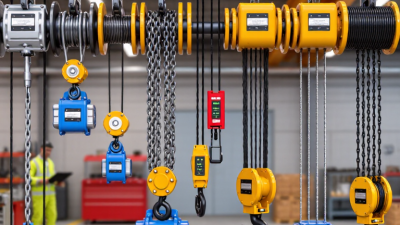
Global buyers often compare price first, yet a hoist must fit the actual lifting task, site, and service plan. A Power Chain Hoist selected for a warehouse may not suit a damp workshop or frequent outdoor use. Start with rated capacity, lift height, lifting speed, duty class, available voltage, and control arrangement. Then check load-chain grade, brake design, enclosure rating, and operating temperature against real conditions. Small mismatches matter.
This guide presents seven practical buying tips for distributors, contractors, and end users sourcing across borders. It explains how to verify specifications, compare manufacturers, review inspection records, and assess spare-parts support. Ask for nameplate details, the operating manual, test documentation, warranty terms, and a clear list of included accessories. Confirm that electrical frequency, plugs, language, and destination-specific conformity requirements have been addressed before shipment. A low quotation can become expensive when a trolley, chain container, or control pendant is missing. Look closely.
Supplier claims should be checked against documents and, where practical, a sample inspection or independent assessment. No brochure answers everything. Buyers should also ask who handles commissioning, troubleshooting, and replacement parts after delivery. Even experienced teams miss details when deadlines press; this guide treats that risk honestly, not as a footnote. A careful checklist cannot remove every uncertainty, but it can make comparisons clearer and reduce avoidable surprises.
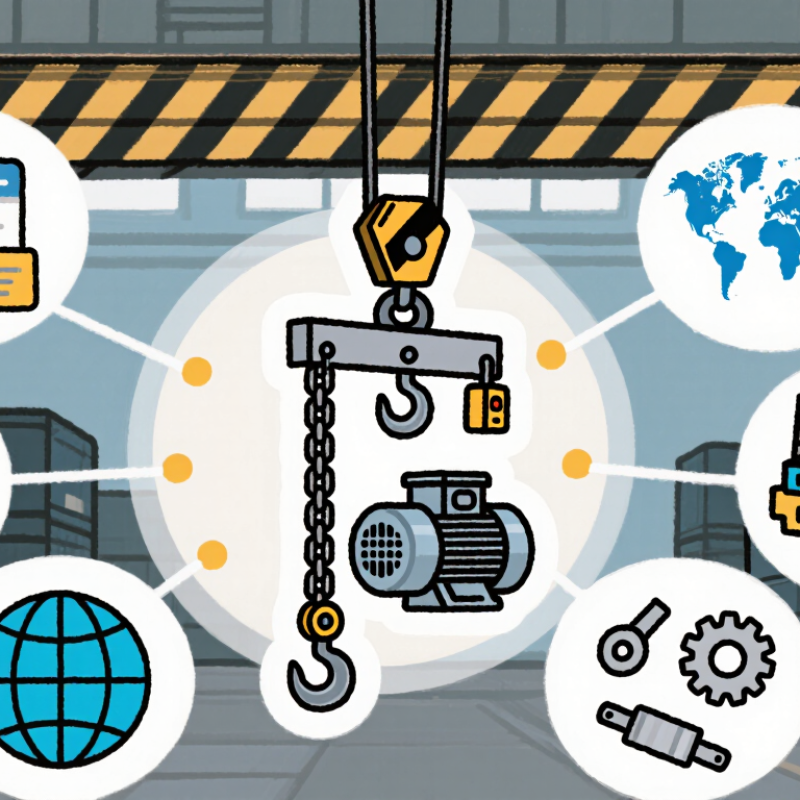
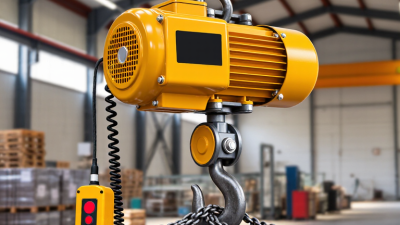
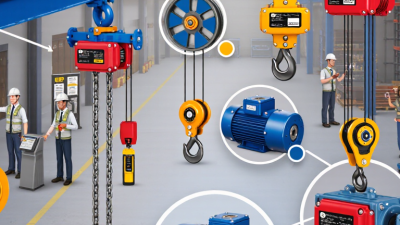
A power chain hoist uses an electric motor to drive a gearbox, which moves a load chain over a lift wheel. The chain, load hook, brake, controls, and limit devices each perform a distinct job. The brake holds the load when motion stops; the pendant or remote tells the motor when to run. Small parts matter. During inspection, look for stiff or twisted chain links, a damaged hook latch, and unusual brake noise. A motor’s power rating is not the hoist’s safe working load.
The International Labour Organization’s 2019 report, Safety and Health at the Heart of the Future of Work, cites 2017 estimates of 2.78 million work-related deaths annually across all occupations. This is not hoist-specific data, but it reinforces why equipment condition and operator training deserve attention. Match rated capacity to the complete lifted load, including attachments. Also check lift height, lifting speed, power supply, and duty rating against the equipment documentation. A mismatch can go unnoticed until the hoist is under strain.
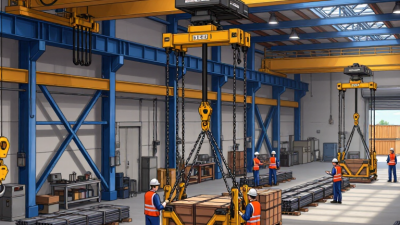
Tips: Before buying, confirm the chain grade, brake type, limit-switch arrangement, and inspection access with the supplier. Ask for the operating manual and maintenance schedule. Test unloaded travel and stopping behavior before routine use, and record defects rather than assuming they can wait. One detail is easy to miss: the installation structure must also support the intended load.
| 7 Power Chain Hoist Buying Tips for Global Buyers - Understand Power Chain Hoists and Their Core Components | |||
|---|---|---|---|
| Buying Tip | Core Component or Specification | What It Does | What Buyers Should Check |
| 1. Confirm the rated capacity | Load chain, hook, suspension, and hoist body | The rated capacity is the maximum load the hoist is designed to lift under its stated operating conditions. | Choose a hoist whose marked rated capacity meets or exceeds the heaviest planned load. Check the entire load path, including the supporting structure and lifting accessories. Do not use the hoist for side pulling unless it is specifically designed for that use. |
| 2. Check the load chain | Calibrated alloy-steel load chain | The load chain carries the suspended load as it moves through the hoist’s chain wheel. | Confirm the chain type, diameter, number of falls, and rated capacity against the hoist documentation. Use only the specified replacement chain; a chain that looks similar may not have the correct dimensions or strength. |
| 3. Match the electrical supply | Electric motor, power supply, and control system | The motor drives the lifting mechanism, while the controls operate lifting and lowering functions. | Verify the required voltage, number of phases, and frequency against the site supply. Check control voltage, pendant or other control arrangement, cable length, and available electrical protection before ordering. |
| 4. Evaluate the brake | Motor brake or load-holding brake | The brake stops motion and is designed to hold the suspended load when the hoist is not lifting or when power is interrupted, according to the hoist design. | Ask for the brake type, inspection and adjustment instructions, and applicable test information. Confirm that the brake is suitable for the operating environment and that routine inspection can be carried out safely. |
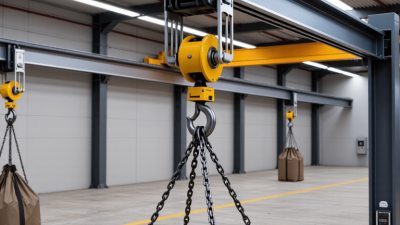
| 5. Measure lift and headroom | Lift height, hook assembly, and suspension arrangement | Lift height is the vertical distance the load can travel. Headroom is the space needed between the supporting point and the load hook area. | Measure the required travel and the available clearance at the installation point. Compare the hoist’s stated lift height and headroom with the building layout, trolley, beam, and load-handling arrangement. |
| 6. Match the duty to the workload | Motor duty, starts per hour, operating time, and load spectrum | Duty information indicates how the hoist is intended to operate over time; capacity alone does not describe the full workload it can handle. | Estimate lifting cycles, average operating time, load range, and starts per hour. Compare these details with the manufacturer’s stated duty classification and operating limits, using the same classification system when comparing products. |
| 7. Verify safety devices and site suitability | Limit devices, overload protection, enclosure, and suspension | Limit devices can restrict travel at configured endpoints; overload protection, where fitted, helps prevent operation beyond its specified threshold. Enclosure ratings describe protection against defined environmental ingress. | Confirm which safety devices are included and how they are tested. Check enclosure protection against dust or moisture at the installation site, and verify that the beam, trolley, suspension, and local electrical installation are suitable for the intended use. |
Note: Specifications and safety features vary by hoist model and applicable regulations. Confirm the rated capacity, duty limits, installation requirements, and inspection procedures in the product documentation before use.